Radiologic Science Degree Programs (Act Now!)
The world of healthcare is constantly evolving, and at its heart lies radiologic science. Think of it as the eyes and ears of modern medicine, providing crucial insights into the human body. From diagnosing illnesses to guiding treatments, radiologic science plays a critical role in patient care. The demand for skilled professionals in this field is soaring, fueled by technological advancements and an aging population.
But here’s the thing: access to education in radiologic science isn’t always equal. That’s why I want to talk about making education accessible to everyone, regardless of their background or circumstances. By opening doors and empowering individuals from all walks of life, we can build a stronger, more diverse healthcare workforce that truly reflects the communities it serves.
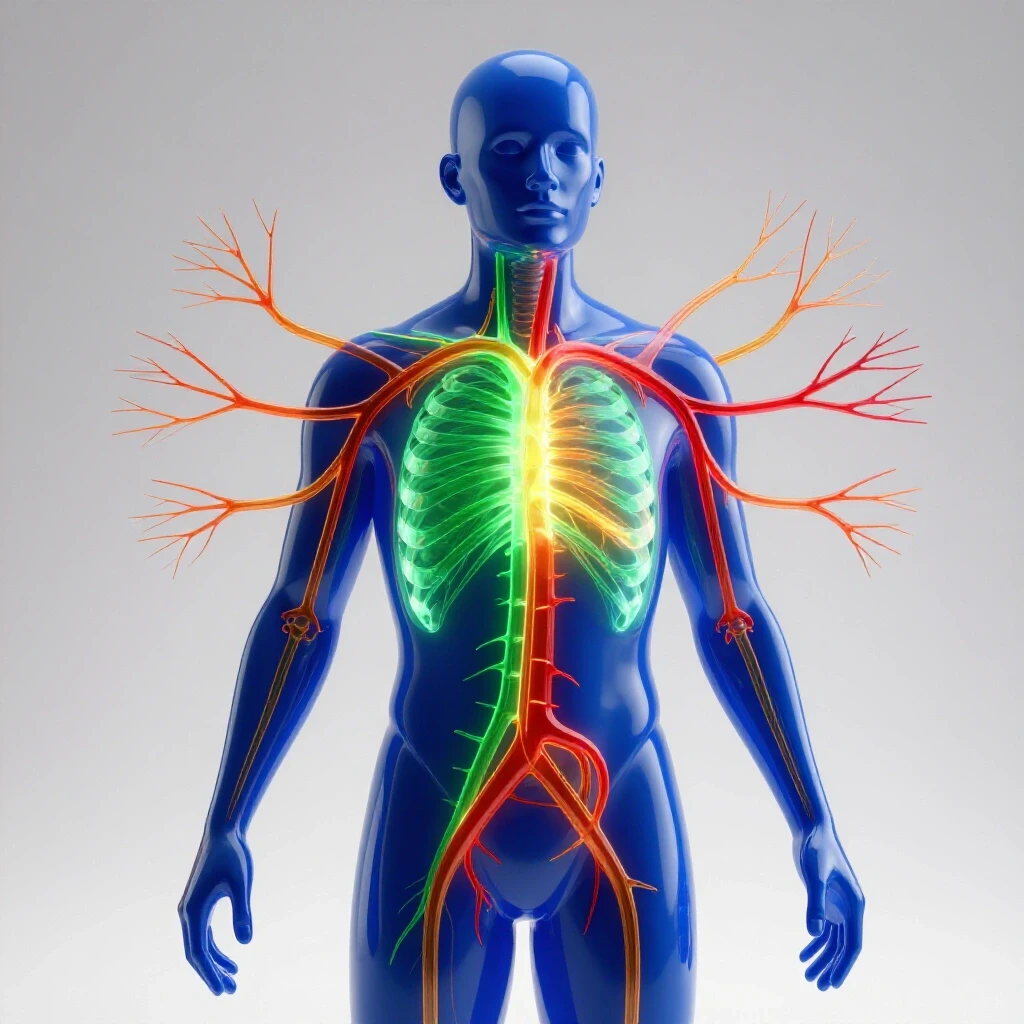
Section 1: Understanding Radiologic Science
So, what exactly is radiologic science?
It’s the field of healthcare dedicated to using imaging technologies to diagnose and treat diseases and injuries.
Think X-rays, CT scans, MRIs, ultrasounds – all of these fall under the radiologic science umbrella.
It’s not just one thing, though. It branches out into several specializations, each with its own unique focus:
-
Radiography: This is the foundation. Radiographers use X-rays to create images of bones and internal organs.
-
Ultrasound: Using sound waves to create images, sonographers can visualize soft tissues, organs, and even a developing fetus.
-
Nuclear Medicine: This involves using radioactive materials to diagnose and treat diseases, often targeting specific organs or tissues.
-
Radiation Therapy: Radiation therapists deliver high-energy radiation to cancerous tumors, destroying cancer cells while minimizing damage to healthy tissue.
To excel in any of these areas, you need a strong foundation of knowledge and skills. That includes:
-
Anatomy and Physiology: A deep understanding of the human body and how it functions.
-
Physics: Understanding the principles behind imaging technologies.
-
Patient Care: Compassion, communication, and the ability to make patients feel comfortable and safe.
-
Critical Thinking: Analyzing images and data to identify abnormalities and assist in diagnosis.
Radiologic professionals are the unsung heroes of healthcare. They work closely with physicians and other healthcare providers to provide essential information that guides treatment decisions. Without them, many diagnoses would be impossible, and treatment would be significantly less effective.
Section 2: The Landscape of Radiologic Science Degree Programs
Now, let’s talk about how you can get into this exciting field. There are several degree options available, each with its own level of training and career opportunities:
-
Associate Degree: This is often the quickest route, typically taking two years to complete. It prepares you for entry-level positions as a radiographer or ultrasound technician.
-
Bachelor’s Degree: A four-year program that provides a more in-depth education in radiologic science. It can open doors to advanced roles, such as management or specialized imaging techniques.
-
Master’s Degree: This is a graduate-level program that focuses on advanced practice, research, or education. It’s often pursued by those who want to become clinical specialists, researchers, or educators.
Here’s a breakdown of what you might study in each type of program:
| Degree Type | Core Subjects | Practical Training | Clinical Experience |
|---|---|---|---|
| Associate Degree | Anatomy, Physiology, Radiographic Procedures, Radiation Safety, Medical Terminology | Hands-on training in positioning patients, operating X-ray equipment, and processing images. | Supervised rotations in hospitals and clinics, where you’ll work with real patients and gain experience in a variety of imaging procedures. |
| Bachelor’s Degree | All of the above, plus Physics, Pathology, Pharmacology, Advanced Imaging Techniques, Healthcare Management | More advanced training in specialized imaging modalities, such as CT and MRI. | Longer and more diverse clinical rotations, allowing you to gain experience in different areas of radiologic science. |
| Master’s Degree | Research Methods, Advanced Imaging Physics, Clinical Education, Healthcare Administration, Specialized Imaging Modalities (e.g., Cardiac Imaging, Breast Imaging) | Independent research projects, advanced clinical simulations, and opportunities to teach and mentor students. | Clinical practicums in specialized areas, allowing you to develop expertise in a specific imaging modality or patient population. |
One of the biggest decisions you’ll face is whether to pursue an online or traditional in-person program. Both have their pros and cons:
Online Programs:
- Advantages: Flexibility, convenience, and the ability to study at your own pace.
- Disadvantages: Requires strong self-discipline, can be isolating, and may lack the hands-on experience of in-person programs.
In-Person Programs:
- Advantages: Face-to-face interaction with instructors and classmates, hands-on training in a lab setting, and a more structured learning environment.
- Disadvantages: Less flexible, requires commuting to campus, and may be more expensive.
Section 3: Accessibility in Radiologic Science Education
Now, let’s address the elephant in the room: accessibility. Pursuing a degree in radiologic science can be challenging, especially for individuals from underserved backgrounds. Some of the biggest barriers include:
-
Financial Constraints: Tuition fees, textbooks, and living expenses can be a major burden.
-
Geographic Limitations: Not everyone has access to a quality radiologic science program in their area.
-
Lack of Resources: Some students may lack the necessary support systems, such as mentors, tutors, or access to technology.
According to the National Center for Education Statistics, the average cost of tuition and fees for a four-year public university in 2020-2021 was over $9,000 per year for in-state students, and over $26,000 per year for out-of-state students. (Source: https://nces.ed.gov/fastfacts/display.asp?id=76). These costs can be prohibitive for many students, especially those from low-income families.
Fortunately, there are initiatives and programs that are working to improve access to radiologic science education. These include:
-
Scholarships and Grants: Many organizations offer financial assistance to students pursuing degrees in healthcare.
-
Community College Partnerships: Some universities partner with community colleges to offer affordable pathways to a bachelor’s degree in radiologic science.
-
Loan Forgiveness Programs: These programs can help graduates repay their student loans if they work in underserved areas.
Section 4: Online Learning Opportunities
Online learning has revolutionized education, making it more accessible than ever before. Online radiologic science programs offer a flexible and convenient way to earn a degree without disrupting your life.
Here are some reputable online institutions offering radiologic science degrees:
-
Weber State University: Offers a Bachelor of Science in Radiologic Sciences with various emphasis areas.
-
University of Arkansas Fort Smith: Offers a Bachelor of Science in Imaging Sciences.
-
AdventHealth University: Offers online degree completion programs in radiography.
Before enrolling in an online program, make sure it’s accredited by a recognized agency, such as the Joint Review Committee on Education in Radiologic Technology (JRCERT). Accreditation ensures that the program meets high standards of quality and prepares you for certification and licensure.
I spoke with Sarah, a single mother who completed an online radiologic science program while working full-time. She said, “Online learning was a lifesaver for me. I couldn’t have gone back to school otherwise. It allowed me to balance my studies with my family and work responsibilities.”
Section 5: Preparing for the Future in Radiologic Science
The future of radiologic science is bright. The Bureau of Labor Statistics projects that employment of radiologic technologists and technicians will grow 6 percent from 2022 to 2032, about as fast as the average for all occupations. (Source: https://www.bls.gov/ooh/healthcare/radiologic-technologists.htm). This growth is driven by an aging population and the increasing use of imaging technologies in diagnosis and treatment.
To stay ahead of the curve, it’s essential to engage in continuing education and professional development. This could include:
-
Attending conferences and workshops: To learn about the latest advancements in imaging technology and techniques.
-
Earning certifications in specialized areas: Such as mammography, MRI, or CT.
-
Joining professional organizations: Such as the American Society of Radiologic Technologists (ASRT).
Networking and mentorship can also play a crucial role in your career. Connecting with experienced professionals can provide valuable insights, guidance, and support.
Section 6: Act Now – Taking the First Steps
Ready to take the plunge? Here’s a step-by-step guide to help you get started:
-
Research Programs: Explore different radiologic science programs and find one that aligns with your goals and interests.
-
Check Prerequisites: Make sure you have the necessary prerequisites, such as high school coursework in science and math.
-
Prepare for Entrance Exams: Some programs may require you to take an entrance exam, such as the TEAS (Test of Essential Academic Skills).
-
Craft a Compelling Personal Statement: Highlight your passion for radiologic science and your commitment to patient care.
-
Apply for Financial Aid: Explore scholarships, grants, and loan options to help you finance your education.
Don’t be afraid to reach out to admissions counselors and ask questions. They’re there to help you navigate the application process and make informed decisions.
Conclusion
Accessibility in radiologic science education is not just a matter of fairness; it’s essential for building a strong and diverse healthcare workforce. By removing barriers and creating opportunities for individuals from all backgrounds, we can ensure that everyone has the chance to pursue a rewarding career in this vital field.
I urge you to act now and explore the opportunities available in radiologic science degree programs for 2025. Pursuing a degree in this field is not only a personal achievement but also a contribution to the greater good of society. You’ll be playing a critical role in enhancing patient care and improving outcomes for countless individuals.
So, what are you waiting for? The future of healthcare needs you!