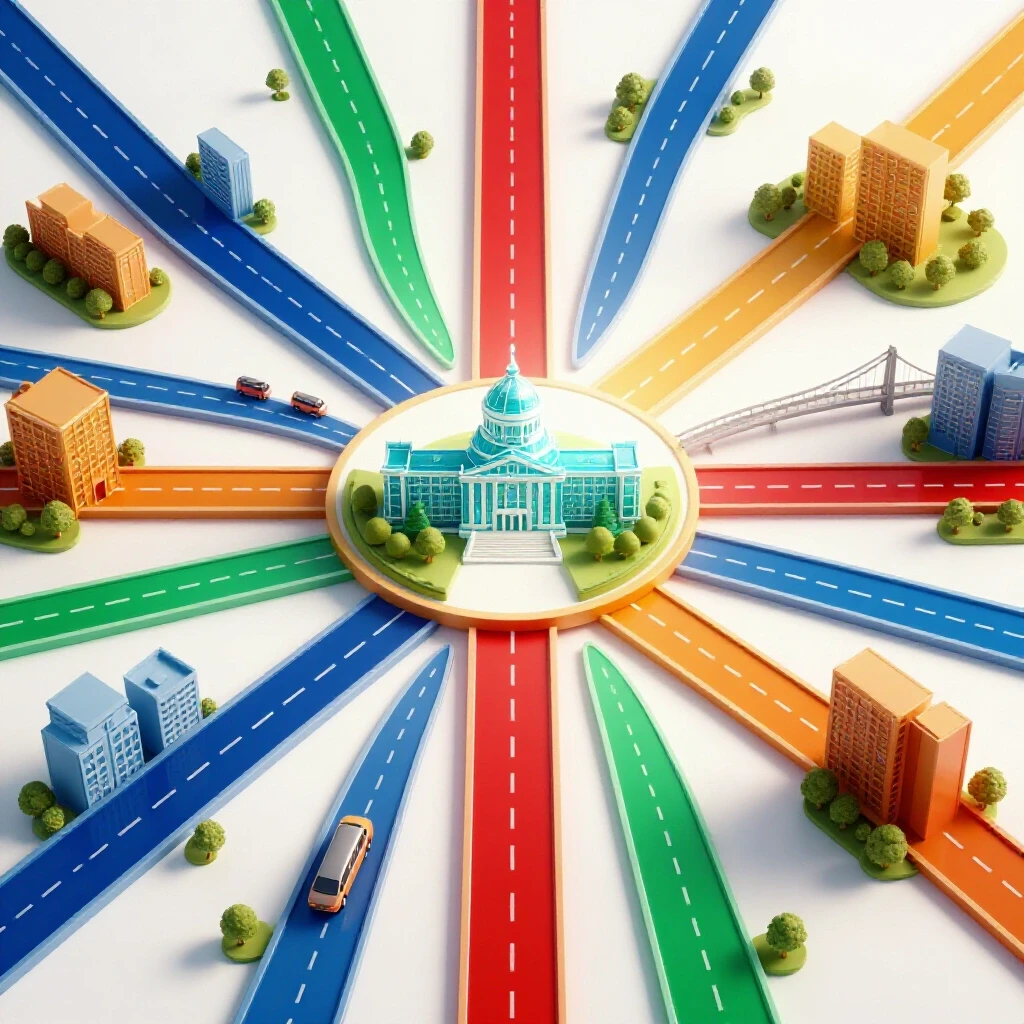
What’s Comm Science? (Undiscovered Skillset!)
Communication is constantly evolving, and that’s why I’m super excited to talk about something I call “Comm Science.” It’s not just about talking; it’s about understanding how we connect, persuade, and build relationships in a world that’s becoming increasingly digital and complex.
Section 1: Definition and Origins of Comm Science
So, what exactly is Comm Science?
Think of it as the science of connection.
It’s the study of how we create, share, and interpret messages, but with a focus on how technology and the changing social landscape impact those processes.

It’s not just about public speaking or writing emails (though those are important!).
It’s about understanding the underlying principles of human interaction and applying them in a strategic and ethical way.
A Little History
Communication studies have been around for a while, evolving from rhetoric and public speaking to encompass areas like interpersonal communication, media studies, and organizational communication.
Comm Science builds on this foundation but adds a crucial layer: a deep understanding of technology and its impact on human behavior.
It’s about understanding algorithms as much as understanding audience psychology.
The Interdisciplinary Nature
What makes Comm Science so cool is its interdisciplinary nature. It pulls from a variety of fields:
- Psychology: Understanding how people think, feel, and behave.
- Sociology: Exploring social structures and group dynamics.
- Media Studies: Analyzing the impact of media on society and culture.
- Technology: Understanding how technology shapes communication processes.
By combining these perspectives, Comm Science offers a holistic view of communication in the 21st century.
Section 2: The Importance of Communication in 2025
Fast forward to 2025. What does communication look like?
Well, technology continues to advance at warp speed, and social media is even more ingrained in our daily lives.
Virtual reality and augmented reality are becoming more commonplace, blurring the lines between the physical and digital worlds.
Think about the Metaverse – how do we effectively communicate in these immersive environments?
Communication Across Sectors
Effective communication is critical in almost every sector:
- Business: From internal team collaboration to marketing and customer engagement, clear and compelling communication is essential for success.
- Education: Educators need to adapt their communication styles to engage with students in both physical and virtual classrooms.
- Healthcare: Clear communication between doctors, patients, and caregivers is vital for improving health outcomes.
- Personal Relationships: Strong communication skills are the foundation of healthy and fulfilling relationships.
The Risks of Poor Communication
The rise of misinformation and digital communication barriers poses significant risks. Poor communication can lead to:
- Misunderstandings and conflict: In both personal and professional settings.
- Decreased productivity and efficiency: In the workplace.
- Erosion of trust: In institutions and relationships.
- Spread of fake news and propaganda: Leading to social division and political instability.
According to a study by The Economist Intelligence Unit, poor communication costs companies an average of \$420,000 per year (Source: The Economist Intelligence Unit).
That’s a staggering amount!
Section 3: Key Components of Comm Science
So, what skills make up this “undiscovered skillset”? Let’s break it down:
Verbal and Non-Verbal Communication
This is the foundation.
It’s about more than just the words you use; it’s about your tone, body language, and how you present yourself.
- Example: Imagine you’re giving a presentation.
Your verbal communication might be clear and concise, but if your body language is closed off (arms crossed, avoiding eye contact), your message won’t resonate with the audience.
Digital Literacy and Online Communication
In 2025, being digitally literate is non-negotiable.
It’s about understanding how to communicate effectively across various online platforms, from social media to video conferencing.
- Example: Crafting a compelling social media post requires understanding the platform’s algorithm, the target audience, and the appropriate tone and style.
Emotional Intelligence and Empathy
This is about understanding and responding to the emotions of others.
It’s about building rapport, showing compassion, and creating a safe space for communication.
- Example: A manager with high emotional intelligence can effectively address employee concerns, resolve conflicts, and build a positive team environment.
Cross-Cultural Communication and Diversity Awareness
In an increasingly globalized world, it’s essential to be aware of cultural differences and adapt your communication style accordingly.
- Example: When working with a team from different cultural backgrounds, it’s important to be mindful of communication styles, values, and expectations.
Case Study: Buffer
Buffer, a social media management platform, is a great example of a company that prioritizes effective communication.
They have a transparent culture, openly share their salaries, and encourage employees to communicate openly and honestly.
This has led to increased trust, productivity, and employee satisfaction.
Section 4: The Role of Technology in Comm Science
Technology is both a challenge and an opportunity for Comm Science.
- AI and Machine Learning: AI-powered tools can analyze communication patterns, identify areas for improvement, and even generate content.
- Data Analytics: Data analytics can provide insights into audience behavior, message effectiveness, and communication trends.
- New Platforms: New platforms and technologies are constantly emerging, requiring communicators to adapt and learn new skills.
Essential Tools and Platforms
Some of the essential tools and platforms for effective communication in 2025 include:
- Video Conferencing Software: Zoom, Microsoft Teams, Google Meet
- Collaboration Platforms: Slack, Asana, Trello
- Social Media Management Tools: Hootsuite, Buffer, Sprout Social
- AI-Powered Writing Assistants: Grammarly, Jasper, Copy.ai
Ethical Considerations
As we rely more on technology for communication, it’s important to consider the ethical implications.
- Privacy: Protecting the privacy of individuals and organizations.
- Transparency: Being transparent about the use of AI and data analytics in communication.
- Authenticity: Maintaining human connection in a digital world.
Section 5: Comm Science in Education and Training
The good news is that education on communication is evolving to include Comm Science.
- Universities: Many universities are offering courses and programs in digital communication, social media marketing, and data analytics.
- Online Learning Platforms: Platforms like Coursera, Udemy, and LinkedIn Learning offer a wide range of courses on communication skills.
- Certifications: Certifications in areas like digital marketing, social media management, and data analytics are becoming increasingly valuable.
Innovative Programs
Some innovative programs that are emerging in response to the demand for Comm Science include:
- Data Storytelling: Combining data analysis with storytelling to communicate complex information in a clear and engaging way.
- Virtual Reality Communication: Training individuals to communicate effectively in virtual reality environments.
- AI-Powered Communication Coaching: Using AI to provide personalized feedback and coaching on communication skills.
The Role of Educators
Educators and trainers play a crucial role in fostering the next generation of communicators. They need to:
- Embrace new technologies: Incorporate technology into their teaching methods.
- Focus on practical skills: Equip students with the skills they need to succeed in the real world.
- Promote ethical communication: Emphasize the importance of responsible and ethical communication practices.
Section 6: Real-World Applications of Comm Science
Let’s look at how Comm Science is applied in various industries:
- Business: Developing effective communication strategies, training employees on communication skills, and managing online reputation.
- Healthcare: Improving communication between doctors, patients, and caregivers, and using technology to deliver healthcare services more effectively.
- Politics: Crafting compelling messages, engaging with voters on social media, and managing public image.
- Community Engagement: Building relationships with community members, organizing events, and advocating for social change.
Success Story: The Mayo Clinic
The Mayo Clinic is a great example of an organization that utilizes Comm Science principles to improve patient care.
They have a strong focus on communication, training their staff on effective communication skills, and using technology to improve patient engagement.
This has led to increased patient satisfaction and better health outcomes.
Section 7: The Future of Comm Science
What does the future hold for Comm Science?
- AI will play an even bigger role: AI-powered tools will become more sophisticated and integrated into communication processes.
- Virtual reality will become more mainstream: Virtual reality will offer new opportunities for communication and collaboration.
- The demand for communication skills will continue to grow: As the world becomes more complex and interconnected, the need for effective communicators will only increase.
Emerging Trends
Some emerging trends that may influence the development of communication skills include:
- The rise of the Metaverse: The Metaverse will create new opportunities and challenges for communication.
- The increasing importance of data privacy: Individuals and organizations will become more concerned about data privacy and security.
- The need for more inclusive communication: Organizations will need to ensure that their communication is inclusive and accessible to all.
Fostering Inclusivity
Comm Science can play a vital role in fostering inclusivity and bridging communication gaps in an increasingly diverse world.
By understanding cultural differences, promoting empathy, and using technology to connect with people from different backgrounds, we can create a more inclusive and equitable society.
Conclusion
So, there you have it!
Comm Science is an undiscovered skillset that is essential for navigating the complexities of communication in 2025 and beyond.
It’s about understanding how we connect, persuade, and build relationships in a world that’s becoming increasingly digital and complex.
By developing your communication skills, embracing new technologies, and promoting ethical communication practices, you can unlock the transformative power of effective communication and shape personal relationships, professional landscapes, and societal progress.
I hope this article has given you a better understanding of Comm Science and its importance.
Now, go out there and start connecting!