Corningware Oven Safe? (Avoid Costly Mistakes!)
I’m here to talk about something near and dear to many of our hearts (and kitchens): Corningware.
We all want kitchenware that gives us the best bang for our buck, right?
Something that’s tough, versatile, and won’t break the bank.
Corningware has been a staple in kitchens for decades, known for its quality and ability to handle a variety of cooking tasks.
But the big question is: Is Corningware really oven safe?
That’s what we’re diving into today.
Think of this as your ultimate guide to understanding Corningware, so you can make smart choices and avoid any kitchen disasters!
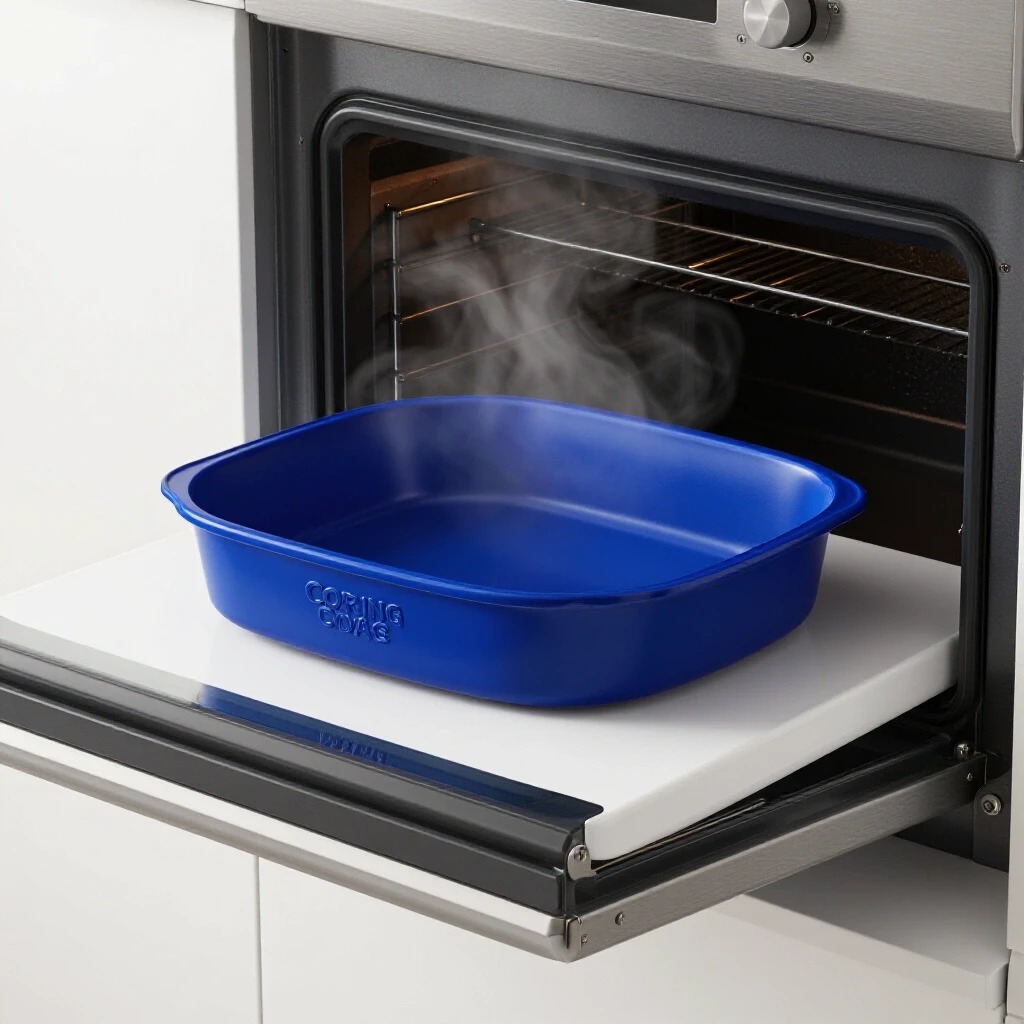
Section 1: Understanding Corningware
Let’s take a quick trip down memory lane.
Corningware was first introduced in the late 1950s by Corning Glass Works.
It was a revolutionary product, made from a material called Pyroceram, a glass-ceramic material that could withstand extreme temperatures.
This meant you could take it straight from the freezer to the stovetop or oven without worrying about it shattering!
Over the years, Corningware has evolved.
While the original Pyroceram-based Corningware is highly durable, not all Corningware sold today is made of the same material.
Some newer versions are made of stoneware or porcelain, which have different heat resistance properties.
So, what exactly is this magical glass-ceramic stuff?
Pyroceram is incredibly strong and resistant to thermal shock.
This is because of its unique composition, which allows it to expand and contract evenly when exposed to heat.
This is what makes it oven safe.
Corningware comes in all shapes and sizes:
Baking dishes, casserole dishes, saucepans, and more.
Each piece is designed for specific cooking tasks, so it’s essential to use them accordingly.
For example, a baking dish is perfect for roasting vegetables, while a saucepan is better suited for simmering sauces.
Section 2: The Science Behind Oven Safety
What does it really mean for kitchenware to be “oven safe”?
It means that the material can withstand the high temperatures of an oven without melting, cracking, or releasing harmful chemicals.
A lower thermal expansion coefficient means the material is less likely to crack or shatter when heated.
Thermal conductivity refers to how well a material conducts heat.
Materials with high thermal conductivity distribute heat evenly, reducing the risk of hotspots that can cause cracking.
There are standards and regulations that govern the safety of kitchenware.
For example, the FDA (Food and Drug Administration) sets guidelines for materials that come into contact with food, ensuring they don’t leach harmful substances.
These standards help ensure that the kitchenware we use is safe for cooking and baking.
How does Corningware stack up against other materials?
Let’s take a look:
| Material | Heat Resistance | Thermal Shock Resistance | Durability |
|---|---|---|---|
| Corningware | Excellent | Excellent | High |
| Metal | Excellent | Good | High |
| Ceramic | Good | Fair | Moderate |
| Glass | Fair | Poor | Low |
As you can see, Corningware excels in heat resistance and thermal shock resistance, making it a great choice for oven cooking.
Section 3: Common Misconceptions about Corningware
Let’s bust some myths!
One common misconception is that all Corningware is created equal.
As I mentioned earlier, not all Corningware is made of the original Pyroceram.
Newer versions may be made of stoneware or porcelain, which have different heat resistance properties.
Another myth is that Corningware can withstand any temperature.
While it’s highly heat resistant, it’s not indestructible.
Exposing it to extreme temperature changes or exceeding the recommended temperature limits can still cause damage.
One of the biggest risks is thermal shock, which happens when Corningware is exposed to sudden temperature changes.
For example, taking a dish straight from the freezer and putting it into a hot oven can cause it to crack or shatter.
Improper handling, such as dropping or banging Corningware, can also weaken its structure and make it more prone to damage.
Let’s set the record straight:
- Myth: All Corningware is oven safe.
- Fact: Original Pyroceram Corningware is oven safe, but newer versions may not be. Always check the manufacturer’s instructions.
- Myth: Corningware can withstand any temperature.
- Fact: Corningware has a high heat resistance, but it’s not indestructible. Follow the recommended temperature limits.
- Myth: Corningware can go straight from the freezer to the oven.
- Fact: Avoid sudden temperature changes to prevent thermal shock. Let Corningware warm up slightly before putting it in the oven.
Section 4: Proper Usage Guidelines
Now, let’s get down to the nitty-gritty.
Here are some guidelines for using Corningware safely in the oven:
- Check the Material: Make sure your Corningware is made of Pyroceram or is specifically labeled as oven safe.
- Preheating: Always preheat your oven before placing Corningware inside. This helps ensure even heat distribution.
- Temperature Limits: Don’t exceed the maximum temperature recommended by the manufacturer. Generally, Corningware can withstand temperatures up to 450°F (232°C).
- Avoid Thermal Shock: Don’t take Corningware straight from the freezer to the oven, or from the oven to a cold surface. Let it cool down or warm up gradually.
- Use Oven Mitts: Always use oven mitts or potholders when handling hot Corningware to protect your hands from burns.
- Placement: Place Corningware on a rack in the center of the oven to ensure even heat distribution.
- Avoid Direct Flame: Don’t use Corningware directly on a stovetop burner or under a broiler, unless it’s specifically designed for that purpose.
Here’s a table summarizing these guidelines:
| Guideline | Description take the intended purposes of the Corningware into consideration.
Using Corningware for its intended purpose is crucial for maintaining its integrity and safety.
For example, don’t use a baking dish for stovetop cooking, as it’s not designed to withstand direct heat.
Section 5: Care and Maintenance of Corningware
Proper care and maintenance are essential for ensuring the longevity of your Corningware.
Here are some best practices for cleaning and maintaining your cookware:
- Cleaning: Wash Corningware with warm, soapy water after each use. Avoid using abrasive cleaners or scouring pads, as they can scratch the surface.
- Dishwasher: Most Corningware is dishwasher safe, but check the manufacturer’s instructions to be sure.
- Cleaning Agents: Avoid using harsh chemicals or bleach, as they can damage the material.
- Utensils: Use non-metallic utensils, such as wooden or silicone spoons, to avoid scratching the surface.
- Storage: Store Corningware in a safe place where it won’t be knocked or dropped. Use dish towels or pot holders to cushion the pieces and prevent chipping or cracking.
Here’s a quick guide:
| Action | Recommendation be sure to consider the following: * Food Contact Materials: Be aware of regulations regarding food contact materials to ensure the safety of your cookware. * Thermal Shock: Be mindful of thermal shock and avoid sudden temperature changes that could damage your Corningware.
By following these guidelines, you can ensure that your Corningware remains safe and functional for years to come.
Section 6: Real-Life Experiences and Testimonials
Let’s hear from some real people who have used Corningware in the oven.
I’ve heard stories from people who have had their Corningware for decades, passing it down through generations.
They swear by its durability and reliability, using it for everything from baking casseroles to roasting chickens.
But I’ve also heard stories of mishaps.
One person told me about taking a Corningware dish straight from the freezer and putting it into a hot oven, only to have it crack in half.
Another person accidentally dropped a Corningware dish on the floor, causing it to shatter into pieces.
These stories highlight the importance of understanding Corningware’s limitations and using it properly.
I spoke with Chef Emily Carter, a professional chef with over 20 years of experience.
She said, “Corningware is a fantastic option for baking and roasting, especially if you’re looking for something that’s easy to clean and durable. However, it’s essential to follow the manufacturer’s instructions and avoid sudden temperature changes. With proper care, Corningware can last for many years.”
Here are some testimonials from Corningware users:
- Sarah J.: “I’ve had my Corningware casserole dish for over 30 years, and it’s still going strong. I use it all the time for baking and roasting, and it always delivers great results.”
- Mark L.: “I accidentally cracked my Corningware dish by putting it in a hot oven straight from the freezer. I learned my lesson the hard way – always let it warm up gradually!”
- Lisa M.: “I love my Corningware baking dishes. They’re so easy to clean and they bake everything evenly. I highly recommend them!”
Conclusion
So, is Corningware oven safe?
The answer is yes, if you use it correctly.
Original Pyroceram Corningware is designed to withstand high temperatures, making it a great choice for oven cooking.
However, it’s crucial to follow the manufacturer’s instructions and avoid sudden temperature changes to prevent thermal shock.
Using Corningware correctly and safely can provide excellent value for money.
It’s durable, versatile, and can last for many years with proper care.
Remember, knowledge is power.
By understanding the capabilities and limitations of your kitchenware, you can make informed decisions and avoid costly mistakes.
So, go ahead and enjoy your Corningware, but always be mindful of its proper usage.
Happy cooking!