Remedial Education Explained: Meaning, Benefits & How It Works (Guide)
As the leaves begin to turn and the first mid-term reports arrive in mailboxes, many families experience a familiar sense of anxiety. For some students, those early grades reveal gaps in learning that feel like missing pieces of a puzzle. This is the season when the term “remedial education” often surfaces in parent-teacher conferences and guidance counselor offices. It is a time for reflection and adjustment, ensuring that every student has a solid foundation before the winter sets in.
What is Remedial Education?
Remedial education is a specialized instructional approach designed to help students bridge gaps in their foundational knowledge. It focuses on core subjects like math and reading, providing targeted support to students who are performing below grade-level expectations. The primary goal is to help these students catch up to their peers and return to the standard curriculum.
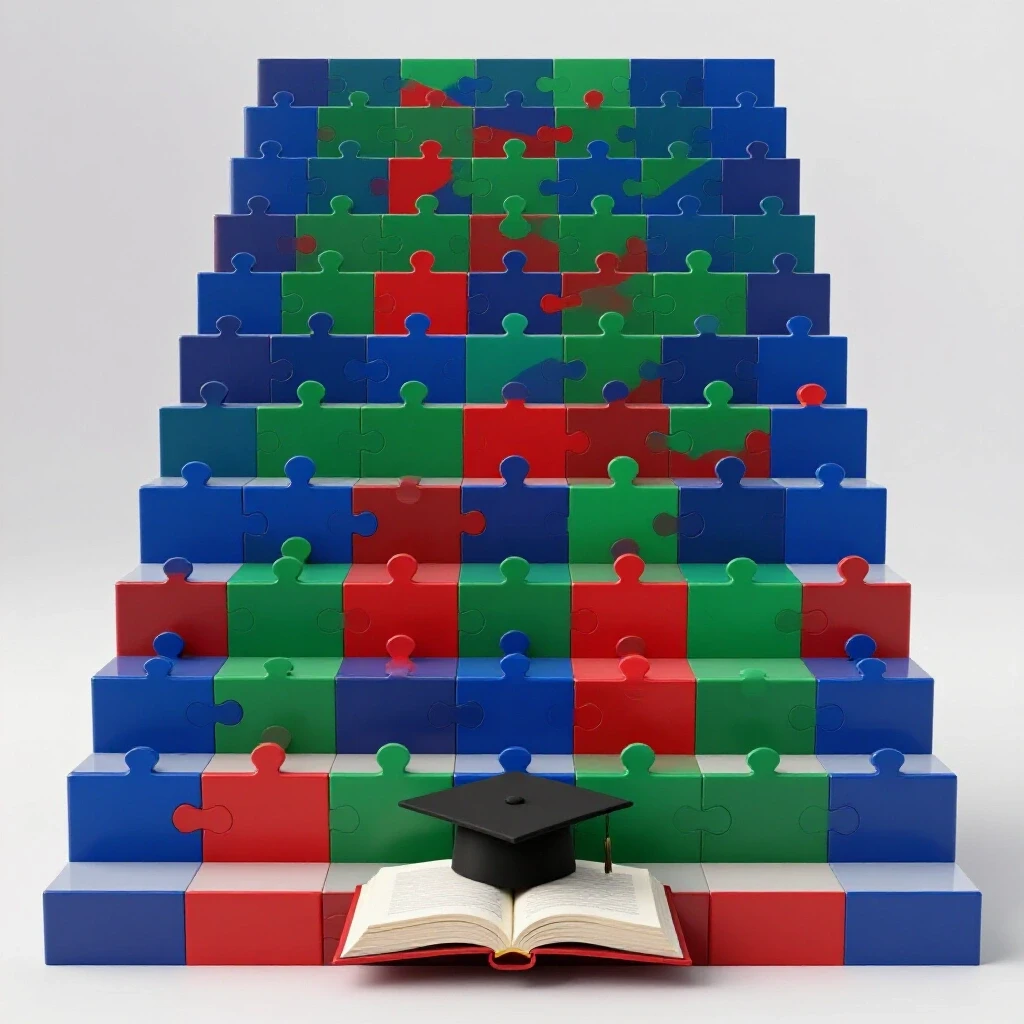
In my years of observing classrooms, I have come to view remedial education as a “safety net.” Imagine a student trying to build a brick wall. If the bottom row of bricks is missing or shaky, the entire wall will eventually lean or collapse. Remedial classes identify those missing bricks—perhaps it is a misunderstanding of fractions or a struggle with reading fluency—and help the student place them firmly. This isn’t about teaching new, advanced material. Instead, it is about reinforcing the basics so the student can handle more complex work later.
I once worked with a student named Marcus who was entering his sophomore year of high school. He was bright and engaged, but his grades in English were slipping. After a quick assessment, his teacher realized Marcus had never fully mastered the art of the “thesis statement” in middle school. He wasn’t “slow” or “incapable”; he simply had a specific gap. A six-week remedial workshop focused on essay structure was all he needed to rejoin his mainstream honors class with confidence.
How Does Remedial Education Differ from Other Support?
While many types of school support exist, remedial education specifically targets academic gaps in general education students. It is distinct from special education because it focuses on catching up on specific content rather than managing long-term learning disabilities or providing legal accommodations. It is a temporary bridge rather than a permanent educational track.
It is common for parents and students to confuse remedial education with tutoring or special education. However, the differences are important for planning a student’s path. Remedial education is usually integrated into the school day and taught by specialists who use specific data to track progress.
| Feature | Remedial Education | Standard Education | Private Tutoring |
|---|---|---|---|
| Primary Goal | Closing specific skill gaps | Covering grade-level curriculum | Homework help or test prep |
| Pacing | Slower and more targeted | Fast-paced and broad | Varies by student need |
| Class Size | Small groups (usually 5-12) | Standard (usually 20-30) | One-on-one or very small |
| Duration | Temporary (until gap is closed) | Full academic year | Ongoing as needed |
| Focus | Foundational skills | New concepts and standards | Current assignments |
The Difference Between Remedial and Special Education
One of the biggest hurdles I see as an advisor is the fear that “remedial” means “special education.” In the K-12 system, special education is designed for students with documented disabilities that require an Individualized Education Program (IEP). Remedial education, however, is for any student who has fallen behind for any reason—perhaps they moved schools frequently, missed classes due to illness, or simply didn’t “click” with a previous teacher’s style.
What I Saw: The Reality of the Remedial Classroom
The reality of a remedial classroom is often much more dynamic and encouraging than the “slow class” stereotypes suggest. In these spaces, I have seen teachers use creative, hands-on methods to make abstract concepts feel real. The focus is on mastery, meaning students don’t move on to a new topic until they truly understand the current one.
When I visited a remedial math class at a local high school, I noticed three distinct things that made it successful:
- Diagnostic Pacing: The teacher didn’t just start on page one of the textbook. They used a diagnostic test to see exactly where each student was struggling. Some students needed help with decimals, while others were stuck on long division.
- Increased Wait Time: In a standard classroom, a teacher might wait three seconds for an answer. In this remedial setting, the teacher waited ten. This gave students the “brain space” to process the question without feeling rushed.
- Immediate Feedback: Because the class was small, the teacher could walk around and check every student’s work in real-time. This prevented students from practicing a mistake ten times before someone noticed.
Interestingly, the students in this class weren’t discouraged. Once they realized they were finally “getting it,” their body language changed. They sat up straighter. They raised their hands more often. They were experiencing the “aha!” moments that had been missing in their larger, faster-paced classes.
Why Do Students Need Remedial Support?
Students require remedial support when diagnostic assessments show they are performing below the expected proficiency for their current grade level. This can happen due to missed school, changing districts, or simply needing a different pace of instruction for complex foundational concepts. It is a proactive way to prevent long-term academic frustration.
There are several common reasons why a student might be recommended for a remedial program:
- The “Swiss Cheese” Effect: This happens when a student understands most of a subject but has “holes” in their knowledge. For example, a student might be great at reading stories but struggle with informational texts.
- Educational Transitions: Moving from a small private school to a large public high school, or moving between states with different standards, can leave a student feeling lost.
- Confidence Gaps: Sometimes, a student is capable of the work but has developed “math anxiety” or a belief that they are “bad at reading.” Remedial classes provide a low-pressure environment to rebuild that lost confidence.
Common Metrics for Identification
Schools often use standardized data to identify students who might benefit from remedial help. According to data from the National Center for Education Statistics (NCES), proficiency levels in core subjects can fluctuate significantly during the transition from middle school to high school.
- Reading Proficiency: Students scoring in the bottom 25th percentile on state assessments are often candidates for remedial reading.
- Math Benchmarks: Failure to master pre-algebra concepts by the end of 8th grade is a common trigger for remedial math in 9th grade.
- Attendance Records: Students who miss more than 10% of a school year (about 18 days) often require remedial support to catch up on missed foundations.
How is Remedial Progress Measured?
Schools measure remedial progress through frequent, low-stakes assessments and “exit criteria” that prove a student has mastered the required skills. Unlike regular grades, these measurements focus on specific competencies to ensure the student is truly ready to handle mainstream coursework again. This ensures that the support is effective and not just a “holding pen” for students.
In a well-run remedial program, the teacher uses “formative assessments.” These aren’t scary final exams. Instead, they are quick check-ins, like a two-question exit ticket at the end of class or a short digital quiz that gives instant results.
The Path to Re-Entry
The ultimate goal of any remedial program is its own obsolescence. We want the student to leave. To do this, schools set “exit benchmarks.” For example, a student in a remedial reading program might need to reach a certain “Lexile” score (a measure of reading level) or demonstrate that they can summarize a complex article without help.
As a researcher, I have found that students who successfully “exit” remedial programs often perform better in the long run than those who struggled through mainstream classes without help. Why? Because they have actually mastered the foundations instead of just “getting by” with a D grade.
Navigating the Transition Back to Mainstream Classes
The transition back to a standard classroom occurs once a student meets pre-defined benchmarks. This process involves a collaboration between the remedial teacher, the regular classroom teacher, and the student’s parents to ensure the student feels confident and prepared for the increased pace. It is a milestone worth celebrating, as it marks the closing of an achievement gap.
When a student is ready to move back to the mainstream curriculum, I recommend a “step-down” approach. This might involve:
- The Hand-Off Meeting: The remedial teacher meets with the mainstream teacher to share what strategies worked best for the student.
- Monitoring Period: For the first four weeks back in the regular class, the student might still check in with their remedial instructor once a week.
- Parental Support: Parents should stay in close contact with the school during this month to ensure the student isn’t feeling overwhelmed by the faster pace.
Questions to Ask Your School Counselor
If you are a student or a parent facing a remedial placement, don’t be afraid to ask for clarity. Use these questions to start the conversation:
- What specific skill gaps were identified in the diagnostic assessment?
- How many students will be in this remedial group?
- What are the specific “exit criteria” for moving back to the mainstream class?
- How often will I receive updates on progress?
- Will this placement affect the student’s ability to take elective courses or graduate on time?
Practical Tips for Success in Remedial Programs
For students, the most important thing to remember is that a remedial class is a tool, not a label. It is a way to “level up” your skills so that the rest of high school becomes easier. Here are some actionable steps for success:
- Be Honest About What You Don’t Know: This is the one place where it is perfectly okay to say, “I have no idea how to do this.” The teacher is there specifically to help with those gaps.
- Focus on the “Why”: Don’t just memorize the steps. Ask why a math formula works or why a paragraph needs a transition. Understanding the logic makes the skill stick.
- Track Your Own Wins: Keep a small log of things you couldn’t do last month that you can do now. Seeing your own progress is the best way to stay motivated.
For parents, your role is to be the “Chief Encouragement Officer.” Avoid using language that implies the student is “behind.” Instead, talk about “strengthening foundations” or “mastering the basics.” Your attitude toward the program will heavily influence your child’s success.
Tools and Resources for Tracking Progress
Navigating the academic system is easier when you have the right tools. Here are some resources that can help you understand standards and track academic growth:
- The College Board’s Pre-AP Resources: Even if a student isn’t in AP classes, these resources offer clear “Vertical Alignment” guides that show what skills are needed at each grade level.
- Khan Academy: This is a fantastic tool for supplemental remedial work. It allows students to practice specific skills (like “adding fractions with unlike denominators”) at their own pace with instant video help.
- GreatSchools.org “Milestones”: This site provides short videos of what “grade-level” reading and math look like for every year of K-12 education. It is a great way for parents to see the goal.
- Lexile Framework for Reading: You can use this to find books that match a student’s current reading level, helping them build confidence before moving to more difficult texts.
Key Takeaways for Students and Families
Remedial education is a powerful, temporary intervention designed to ensure every student can meet high academic standards. It is not a permanent track, nor is it a reflection of a student’s intelligence. By focusing on foundational skills and using data-driven instruction, remedial programs provide the bridge students need to cross over into academic success.
- Remedial is temporary: The goal is always to return to the mainstream curriculum.
- It is data-driven: Placements are based on specific gaps, not general “struggles.”
- Small classes matter: The reduced student-to-teacher ratio is the “secret sauce” of remedial success.
- Communication is key: Regular check-ins between parents, students, and teachers ensure the bridge is working.
Frequently Asked Questions (FAQ)
Does being in a remedial class mean my child won’t get into a good college? No. In fact, mastering foundational skills in high school through remedial support often leads to better grades in later, more advanced courses. Colleges look at the final transcript and the overall trend of improvement. Successfully moving from a remedial class to an honors class is a very positive story to tell in a college application.
Is remedial education the same as “failing” a grade? Absolutely not. Failing a grade usually means repeating everything. Remedial education allows a student to stay in their current grade while receiving extra help in specific areas. It is a way to prevent failure by addressing problems early.
How long does a student typically stay in a remedial program? It varies, but many students spend one or two semesters in a remedial setting. The duration depends entirely on how quickly the student masters the specific skills they were missing.
Will “Remedial” appear on my high school transcript? This depends on the school district. Some schools label courses as “Foundations” or “Applied,” while others use the standard course name but note the smaller class size. However, for most college admissions, the focus is on whether you met the graduation requirements, not the specific “remedial” label from an early grade.
Can a student be in a remedial math class but an advanced English class? Yes. It is very common for students to have “spiky” profiles. A student might be a gifted writer but struggle with the foundational logic of Algebra. Remedial support is targeted, so it only affects the subjects where a gap exists.
How is remedial education different from an IEP? An IEP (Individualized Education Program) is a legal document for students with disabilities under the Individuals with Disabilities Education Act (IDEA). Remedial education is a general education intervention. You do not need a diagnosed disability to receive remedial help; you only need to show a gap in knowledge.
What if my child feels embarrassed about being in a “lower” class? Focus on the analogy of an athlete. Even the best pro athletes go back to “basics” or “fundamentals” when their performance slips. A remedial class is like a specialized training camp to make them stronger for the “main game” of the standard curriculum.
Can international students benefit from remedial education? Yes, frequently. International students often have excellent skills but may have gaps because their home country’s curriculum was structured differently. Remedial classes can help them “align” their knowledge with the local school system’s expectations.
Is there a cost for remedial education in public schools? No. In the United States, remedial support provided during the school day is part of the “free and appropriate public education” (FAPE) guaranteed to all students.
Can I request remedial support for my child, or does the school have to suggest it? Parents can absolutely request an evaluation or ask about support options if they notice their child struggling with homework or basic concepts. You are your child’s best advocate.
(This article was written by one of our staff writers, Alan Westbrook. Visit our Meet the Team page to learn more about the author and their expertise.)