Information Systems Degree Guide: Courses, Careers & Credits (2026)
I once had a relative ask me to fix their toaster because I told them I was studying Information Systems. I had to explain that while I understood how the toaster’s data might flow through a supply chain, I was still going to burn my toast just like everyone else. Many people hear the word “systems” or “information” and immediately think of hardware repair or complex coding. In reality, an Information Systems degree is about being the person who knows how to make technology actually work for people and businesses.
What is an Information Systems degree?
An Information Systems (IS) degree is an academic program that combines business principles with computer technology. It focuses on how organizations use data and software to solve problems, manage operations, and make better decisions. It is the bridge between technical developers and the business leaders who need results.
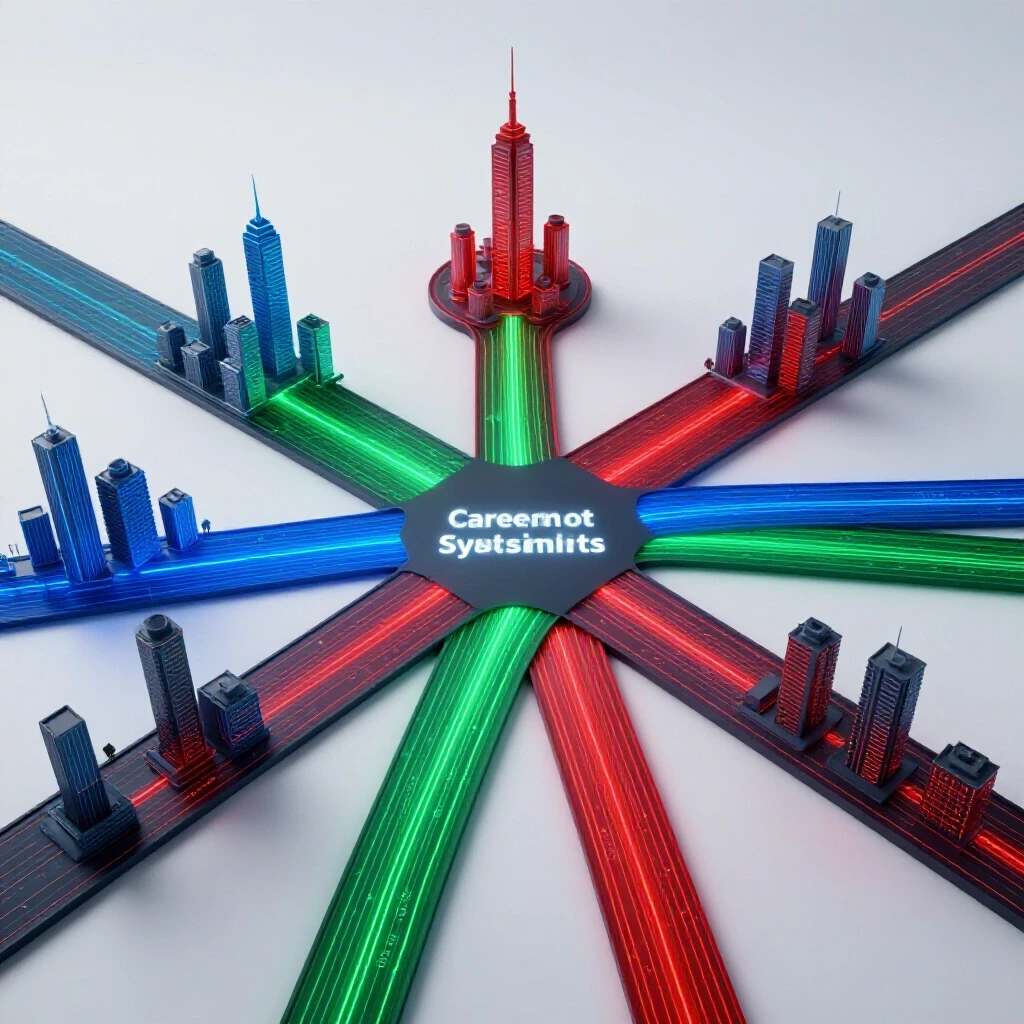
When I started my journey in higher education, I quickly realized that many students get lost in the “alphabet soup” of tech degrees. You might see Information Technology (IT), Computer Science (CS), and Information Systems (IS) listed side-by-side. Think of it this way: a Computer Scientist builds the engine of a car, an IT professional maintains the car to keep it running, and an Information Systems professional decides where the car should go to be most profitable and efficient.
In my years of advising, I have seen students thrive when they realize they do not have to be “math geniuses” to succeed in tech. Information Systems is perfect for the student who enjoys organization, logic, and helping people. It is a degree that values communication just as much as it values technical skill. You are learning to be a translator who can speak both “human” and “computer.”
How does a major vs concentration vs minor work in Information Systems?
A major is your primary field of study, while a concentration is a specific focus within that major. A minor is a secondary subject that requires fewer credits. Understanding these terms helps you customize your degree to fit specific career goals like cybersecurity or data analytics.
During my time as an academic researcher, I noticed that students often feel pressured to pick the “perfect” major right away. However, the flexibility of the Information Systems framework is its greatest strength. You can often take a broad IS major and then use a concentration to specialize in something you love. For example, if you enjoy investigating digital “fingerprints,” you might choose a concentration in Information Security.
The table below breaks down how these academic structures differ:
| Feature | Major | Concentration (or Track) | Minor |
|---|---|---|---|
| Credit Requirement | 30 to 45 credits in the field | 9 to 15 credits within the major | 15 to 18 credits in a different field |
| Purpose | Provides a deep foundation in IS | Provides specialized skills (e.g., Data Science) | Adds a secondary skill set (e.g., Marketing) |
| On Your Diploma | Usually listed clearly | Sometimes listed, often on transcripts | Usually only listed on transcripts |
| Career Impact | Defines your primary job market | Helps you stand out for specific roles | Shows you are well-rounded |
What are the core subjects I used most in my career?
The core subjects in an Information Systems degree include database management, systems analysis, and project management. These courses provide the practical skills needed to organize information and lead technical teams. They focus on the application of technology rather than just the creation of code.
Database Management and SQL
Database management is the study of how to store, organize, and retrieve large amounts of data efficiently. SQL, or Structured Query Language, is the standard tool used to communicate with these databases. This was the single most useful skill I learned because every modern business runs on data.
In my first professional role, I was not writing complex software. Instead, I was using SQL to find out why a shipping department was losing track of packages. By understanding how the database was structured, I could pull a report that showed exactly where the system was failing. It felt like being a detective. If you can master the basics of how data is stored, you will be valuable to any company.
Systems Analysis and Design
Systems analysis is the process of looking at a business problem and designing a technical solution to fix it. It involves talking to employees, identifying “pain points,” and creating a blueprint for a new system. This subject teaches you how to think logically and see the “big picture.”
I often tell my students that systems analysis is like being an architect for software. You do not necessarily swing the hammer to build the house, but you draw the plans that ensure the house does not fall down. In my career, this skill helped me lead meetings where I had to explain technical risks to managers who had no tech background. It is about making sure the technology actually fits the needs of the people using it.
Data Analytics for Business
Data analytics is the practice of examining raw data to find patterns and make predictions. In an IS degree, this is less about high-level math and more about using tools to visualize information. It helps leaders answer questions like, “Which products will sell best next month?”
Interestingly, I found that being able to create a clear chart or graph was more important than the math behind it. If you can show a manager a visual trend that saves the company money, you become an essential part of the team. This subject turns “boring” numbers into a story that people can understand and act upon.
Why does accreditation matter for your Information Systems degree?
Accreditation is a review process that ensures a college or program meets specific quality standards. For Information Systems, look for regional accreditation or specialized business accreditation. This status affects your eligibility for federal financial aid and the ability to transfer your credits to other schools.
I have met many international students who were heartbroken to find that their hard-earned credits would not transfer because their previous school lacked proper accreditation. Think of accreditation as a “seal of approval” from a trusted third party. In the United States, regional accreditation is the “gold standard.” If a school is not regionally accredited, your degree might not be recognized by employers or other universities.
- Institutional Accreditation: This covers the entire university. It is required for you to receive federal student loans or grants (FAFSA).
- Programmatic Accreditation: For IS students, look for names like ABET (Accreditation Board for Engineering and Technology) or AACSB (Association to Advance Collegiate Schools of Business).
- Impact on Careers: Many top-tier companies will only hire graduates from accredited programs to ensure the student has received a quality education.
How do credit hours and degree planning work?
A credit hour is a unit of measure representing the time spent in class and studying. Most Information Systems degrees require 120 credit hours to graduate. Planning your credits carefully ensures you finish on time and stay within your budget for tuition and fees.
When I was a first-year student, I thought “15 credits” just meant 15 hours of work. I was wrong. The standard rule is that for every one hour you spend in a classroom, you should spend two to three hours studying outside of class. For a typical 3-credit IS course, you are looking at about 9 to 12 hours of total work per week.
Here is a typical timeline for an IS degree:
- Freshman Year (0-30 credits): Focus on general education (English, Math) and intro to business or programming.
- Sophomore Year (31-60 credits): Begin core IS classes like Database Management and Networking.
- Junior Year (61-90 credits): Dive into specialized topics like Systems Analysis and Project Management.
- Senior Year (91-120 credits): Complete a “Capstone” project where you build a real system for a client.
By taking 15 credits per semester, you can graduate in four years. If you take 12 credits (the minimum for “full-time” status), it will take you five years. This is a vital metric to track because every extra semester adds to your total tuition cost.
What should you know about transfer credit explained for IS students?
Transfer credit is the process where one college accepts the work you completed at another institution. This is vital for students moving from community colleges to universities. Knowing which courses “count” prevents you from paying for the same class twice and speeds up your graduation.
In my advising sessions, I often see students take a “Computer Literacy” class at a community college, only to find it does not count toward their IS major at a four-year university. This happens because the university might require a more advanced version of that course. To avoid this, always look for an articulation agreement. This is a formal contract between two schools that lists exactly which classes will transfer.
- Check the Syllabus: Sometimes, a university will ask for a syllabus of your old class to see if the topics match their requirements.
- The 75% Rule: Many schools will only accept a transfer if the course content is at least 75% identical to their own version.
- Grade Requirements: Most universities will not accept transfer credits for any class where you earned lower than a “C” grade.
What are the best tools for navigating your academic journey?
Academic tools are digital resources designed to help you research colleges, compare costs, and track your degree progress. Using official databases like the NCES College Navigator or the Common App helps you make decisions based on verified data rather than marketing claims.
I encourage every student and parent to become familiar with these resources. They take the guesswork out of the application process.
- NCES College Navigator: A massive database from the U.S. Department of Education. You can search for schools by location, major, and accreditation status.
- College Scorecard: This tool shows you the average salary of graduates from specific programs. It is a great way to see if an Information Systems degree from a certain school is worth the price.
- Transferology: A website that helps you see how your current credits will move to a new school. It is a lifesaver for transfer students.
- O*NET OnLine: This site describes what people in IS jobs actually do all day. It lists the skills, tools, and average pay for roles like “Systems Analyst.”
Key Takeaways for Success
- Ask about the “Business” side: Ensure your IS program includes business classes, not just tech.
- Focus on SQL: It is the “bread and butter” of the information world.
- Verify Accreditation: Never enroll in a school without checking its regional accreditation status first.
- Use an Academic Planner: Map out your 120 credits early to avoid “hidden” requirements that delay graduation.
Frequently Asked Questions
What is the difference between Information Systems and Computer Science?
Computer Science focuses on the theory of computation and building software from scratch using complex math and algorithms. Information Systems focuses on how to apply existing technology to solve business problems. If you want to build a new operating system, choose Computer Science. If you want to use technology to make a company more efficient, choose Information Systems.
Is an Information Systems degree “easier” than Computer Science?
“Easier” is a relative term. While IS programs usually require less advanced calculus and physics, they require more communication, writing, and business strategy skills. In IS, you must be able to explain technical concepts to non-technical people, which is a difficult skill to master. It is a different kind of challenge, not necessarily a smaller one.
Can I get a job in cybersecurity with an Information Systems degree?
Yes, absolutely. Many Information Systems programs offer a concentration in cybersecurity or information assurance. Because cybersecurity is often about managing risk and following policies, the organizational focus of an IS degree is actually a perfect fit for many security roles.
Do I need to know how to code before starting an IS degree?
No, you do not. Most programs start with an “Introduction to Programming” course that assumes you have zero prior experience. While having some logic skills helps, the degree is designed to teach you these skills from the ground up. I have seen many successful graduates who had never written a line of code before their first college class.
What does “matriculation” mean in my college application?
Matriculation is a formal academic term that simply means the process of enrolling in a college or university as a candidate for a degree. Once you have been accepted, submitted your deposit, and registered for classes, you are officially “matriculated.” It is the moment you move from being an applicant to being a student.
How many credit hours should I take each semester?
A standard full-time load is 15 credit hours (usually 5 classes). This allows you to complete a 120-credit degree in exactly four years (8 semesters). If you work a part-time job, you might drop to 12 credits, but keep in mind this will extend your graduation date and may increase your total costs.
What is a “Post-Secondary Credential”?
This is a broad term for any qualification you earn after high school. It includes associate degrees, bachelor’s degrees, and professional certificates. An Information Systems degree is a post-secondary credential that signals to employers you have reached a specific level of expertise in both business and technology.
Will my credits transfer if I move to a different state?
They can, but it depends on the school’s transfer policy and accreditation. Generally, if you move between two regionally accredited schools, your general education credits (like English and Math) will transfer easily. However, specific IS major classes might require a review of the syllabus to ensure they meet the new school’s standards. Always check with an advisor at the new school before moving.
Why do advisors talk about “Prerequisites”?
A prerequisite is a course that you must complete before you are allowed to take a more advanced class. For example, you usually have to pass “Intro to Databases” before you can take “Advanced SQL.” If you fail to plan for these, you might find yourself unable to take the classes you need, which can delay your graduation by a full year.
What is the difference between a Bachelor of Science (BS) and a Bachelor of Arts (BA) in Information Systems?
A Bachelor of Science (BS) usually has a heavier focus on technical and math courses. A Bachelor of Arts (BA) might allow for more elective classes in the humanities or social sciences. In the job market for Information Systems, a BS is often preferred by technical hiring managers, but a BA is perfectly acceptable for roles in management or analysis.
(This article was written by one of our staff writers, Alan Westbrook. Visit our Meet the Team page to learn more about the author and their expertise.)