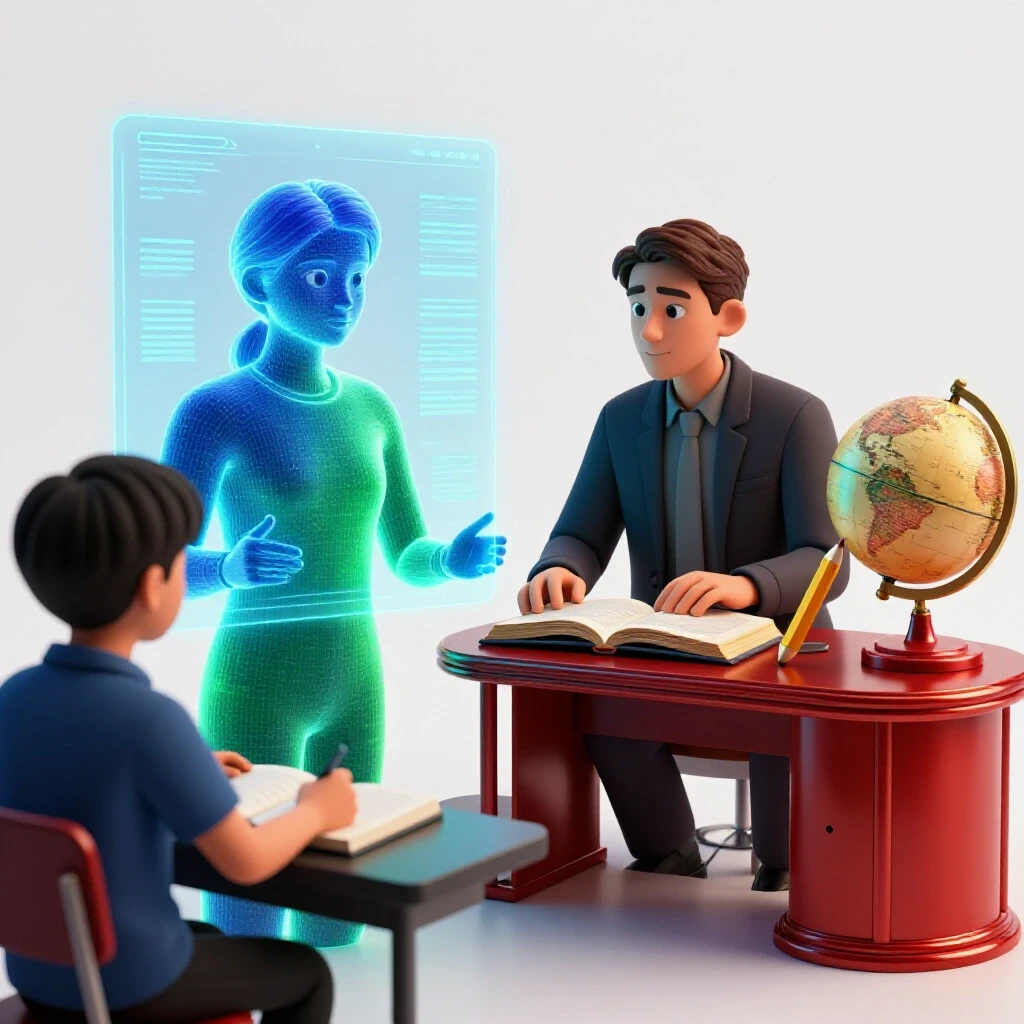
Quickest Online Degree? (Job Offers SOON!)
Would you rather spend years in a traditional classroom, or earn a degree online in just a few months and jumpstart your dream job sooner?
Tricky, right?
That’s what we’re diving into today.
The world of quick online degrees and how they can potentially land you a job offer soon, like maybe even by 2025!
Intrigued? Let’s go!
Section 1:
The Growing Demand for
Quick Online Degrees
Overview of Current Trends
The job market is a beast, isn’t it?
It’s constantly evolving, morphing into something new, especially after the pandemic shook things up.
According to a recent report by Statista, the online education market is projected to reach $325 billion by 2025.

That’s HUGE!
(Source: https://www.statista.com/statistics/1037175/e-learning-market-size-worldwide/)
This growth isn’t just random.
Companies are increasingly valuing skills over traditional degrees, and online education provides a flexible way to gain those skills quickly.
Think about it, how many times have you seen a job posting that mentions specific software proficiencies or project management methodologies?
These are often things you can learn through focused online programs.
Benefits of Quick Online Degrees
So, why the buzz around “quick” online degrees? Well, in today’s fast-paced world, time is money, right?
Quick online degrees cater to the need for rapid upskilling.
Imagine this, you’re a marketing professional looking to pivot into digital marketing.
Instead of spending four years on another bachelor’s degree, you could complete a digital marketing certificate in a few months.
BOOM!
You’ve got the skills and the credential to prove it.
Plus, these programs are often designed with working professionals in mind, offering flexibility and convenience.
Target Audience
Who benefits the most from these quick online degrees? I’d say it’s a pretty diverse group:
- Working Professionals: Those looking to advance in their current role or make a career change.
- Recent High School Graduates: Students who want to enter the workforce quickly and gain practical skills.
- Career Changers: Individuals seeking a new direction and needing to acquire relevant skills efficiently.
- Stay-at-Home Parents: People needing to update their skills and re-enter the workforce.
Basically, anyone who wants to gain valuable skills and boost their career prospects without spending years in a classroom.
Sounds good, yeah?
Section 2:
Types of Quick Online Degrees
Available
Okay, let’s get down to brass tacks. What kind of “quick” degrees are we talking about? Here’s a breakdown:
Associate Degrees
Associate degrees are a great option for those who want a solid foundation in a particular field without the commitment of a four-year bachelor’s.
You can often complete them in about two years (or even less with accelerated programs). Fields like:
- Business Administration: Perfect for entry-level management or administrative roles.
- Healthcare: Think medical assisting, healthcare technology, or dental hygiene.
- Technology: Computer science, web development, or network administration.
These degrees can open doors to entry-level positions and provide a stepping stone to further education.
Bachelor’s Degrees
Believe it or not, you can find accelerated bachelor’s degree programs online. These programs often involve:
- Year-Round Study: No long summer breaks!
- Intensive Coursework: Be prepared to dedicate a significant amount of time to your studies.
- Prior Learning Credits: Some programs allow you to transfer credits from previous coursework or work experience.
Some popular majors for accelerated bachelor’s degrees include:
- Business: Accounting, marketing, or human resources.
- Information Technology: Cybersecurity, software development, or data analytics.
- Healthcare: Nursing (RN to BSN programs are common), healthcare management.
Certificates and Diplomas
Now, this is where things get really interesting.
Certificates and diplomas are the kings and queens of quick upskilling.
They’re laser- focused on specific skills and can often be completed in a matter of months.
Think about these fields:
- IT: Cybersecurity, cloud computing, data science, or network engineering.
- Project Management: PMP certification prep courses are hugely popular.
- Digital Marketing: SEO, social media marketing, content marketing, or email marketing.
The beauty of certificates is their job readiness.
They’re designed to equip you with the skills you need to hit the ground running in a specific role.
Section 3:
Top Institutions Offering
Quick Online Degrees
Alright, so where can you actually find these quick online degrees? Let’s take a look at some top institutions:
Accredited Colleges and Universities
Western Governors University (WGU): WGU is known for its competency- based education model, allowing students to progress at their own pace.
They offer accelerated programs in business, IT, healthcare, and education.Accreditation: Northwest Commission on Colleges and Universities (NWCCU)
Duration: Varies depending on prior knowledge and pace.
-
Grantham University (Now University of Arkansas Grantham): Offers a variety of accelerated online degree programs in fields like business, criminal justice, and healthcare.
Accreditation: Distance Education Accrediting Commission (DEAC)
Duration: Can be completed in as little as 18 months.
Colorado Technical University (CTU): CTU offers accelerated degree programs with flexible scheduling options.
They have a strong focus on technology- related fields.Accreditation: Higher Learning Commission (HLC)
Duration: Varies depending on the program and pace.
Online Learning Platforms
Coursera: Partners with top universities and institutions to offer a wide range of online courses, specializations, and degree programs.
Look for “MasterTrack” certificates or degree programs.Partners: University of Michigan, University of Pennsylvania, Duke University, etc.
Duration: Varies greatly depending on the program.
edX: Another platform that partners with universities to offer online courses and degree programs.
They often have micro-bachelor’s and micro-master’s programs that can be completed in a shorter time frame.Partners: Harvard University, MIT, UC Berkeley, etc.
Duration: Varies significantly depending on the program.
Udacity: Focuses on tech skills and offers “Nanodegrees” that are designed in collaboration with industry leaders.
These are typically shorter and more focused than traditional degree programs.Partners: Google, Facebook, Mercedes-Benz, etc.
Duration: Typically a few months.
Comparison of Programs
To give you a clearer picture, here’s a comparison table of some potential online degree programs:
Note: Costs and job placement rates are approximate and can vary. Always verify with the institution directly.
Section 4:
Career Opportunities After Earning
a Quick Online Degree
Okay, the million-dollar question: Can a quick online degree actually land you a job? Let’s see!
Job Market Insights for 2025
Looking ahead to 2025, several industries are expected to experience significant growth, creating ample opportunities for qualified professionals:
Technology: Cybersecurity, data science, AI, and cloud computing are all booming.
The Bureau of Labor Statistics projects a 37% growth in cybersecurity jobs from 2022 to 2032.
(Source: https://www.bls.gov/ooh/computer-and-information-technology/information-security-analysts.htm)Healthcare: The aging population and advancements in medical technology are driving demand for healthcare professionals.
Specifically, the BLS projects a 28% growth for nurse practitioners from 2022 to 2032.
(Source: https://www.bls.gov/ooh/healthcare/nurse-anesthetists-nurse-midwives-and-nurse-practitioners.htm)-
Business: Project managers, business analysts, and marketing specialists are always in demand, especially those with digital skills.
Success Stories
I know a person, let’s call him John. He was stuck in a dead-end retail job. He enrolled in an online digital marketing certificate program.
Within six months, he landed a job as a social media manager for a local business.
Now, he’s thriving and earning a much better salary!
These kinds of stories aren’t rare.
I’ve seen lots of people successfully transition into new careers after earning an online degree or certificate.
Salary Expectations
Let’s talk money! Here are some approximate average salaries for graduates of quick online degrees in various fields:
- Cybersecurity Analyst: \$102,600 per year (Source: BLS)
- Data Scientist: \$108,000 per year (Source: Glassdoor)
- Project Manager: \$77,334 per year (Source: Payscale)
- Digital Marketing Specialist: \$62,900 per year (Source: ZipRecruiter)
Note: Salaries can vary depending on experience, location, and employer.
Section 5:
Strategies for Success in
Online Learning
Online learning isn’t a walk in the park. It requires discipline, dedication, and a strategic approach. Here are some tips to help you succeed:
Time Management
- Create a Schedule: Treat your online courses like a job. Set specific study times and stick to them.
- Prioritize Tasks: Use a planner or to-do list to keep track of assignments and deadlines.
- Eliminate Distractions: Find a quiet study space and turn off social media notifications.
Engagement with Instructors and Peers
- Participate in Discussions: Engage with your classmates and instructors in online forums and group projects.
- Attend Virtual Office Hours: Take advantage of opportunities to ask questions and get personalized feedback from your instructors.
- Network with Peers: Connect with other students through social media or online study groups.
Resources and Support
- Tutoring Services: Many online programs offer tutoring services to help students with challenging coursework.
- Career Counseling: Take advantage of career counseling services to get help with resume writing, job searching, and interview skills.
- Technical Support: If you encounter technical issues, don’t hesitate to contact the program’s technical support team.
Section 6:
Challenges and Considerations
Let’s be real, online learning isn’t perfect. There are potential drawbacks to consider:
Potential Drawbacks
- Self-Discipline: You need to be highly self-motivated and disciplined to succeed in an online environment.
- Technology Requirements: You’ll need a reliable internet connection and a computer that meets the program’s technical requirements.
- Lack of Face-to-Face Interaction: Some students miss the in-person interaction with instructors and peers.
Employer Perceptions
While the perception of online degrees has improved significantly, some employers may still hold biases.
However, this is changing as more and more reputable universities offer online programs.
Focus on highlighting the skills and knowledge you’ve gained through your online degree, and showcase your achievements in your resume and cover letter.
Section 7:
The Future of Online Education
The future of online education is bright! Technological innovations are constantly shaping the way we learn.
Technological Innovations
- AI-Powered Learning: AI is being used to personalize learning experiences, provide automated feedback, and offer virtual tutoring.
- Virtual Reality (VR) and Augmented Reality (AR): VR and AR are creating immersive learning environments that can simulate real-world scenarios.
- Blockchain Technology: Blockchain is being used to create secure and verifiable digital credentials.
Predictions for 2025 and Beyond
I predict that online education will become even more personalized, accessible, and integrated with the workforce. We’ll see:
- More Micro-credentials: Shorter, more focused programs that address specific skill gaps.
- Increased Employer Involvement: Companies will partner with universities to create online programs that meet their specific needs.
- Greater Emphasis on Skills-Based Learning: Online programs will focus on developing practical skills that are directly applicable to the job market.
Conclusion
So, there you have it!
Quick online degrees can be a fantastic way to boost your career prospects and land a job offer sooner, maybe even by 2025.
Remember that “would you rather” question we started with? Now, think about it again.
Are you ready to take control of your future and choose the accelerated path to success?
The world is changing, and education is changing with it.
Embrace the opportunities that online learning offers, and you’ll be well on your way to achieving your career goals!
Good luck!