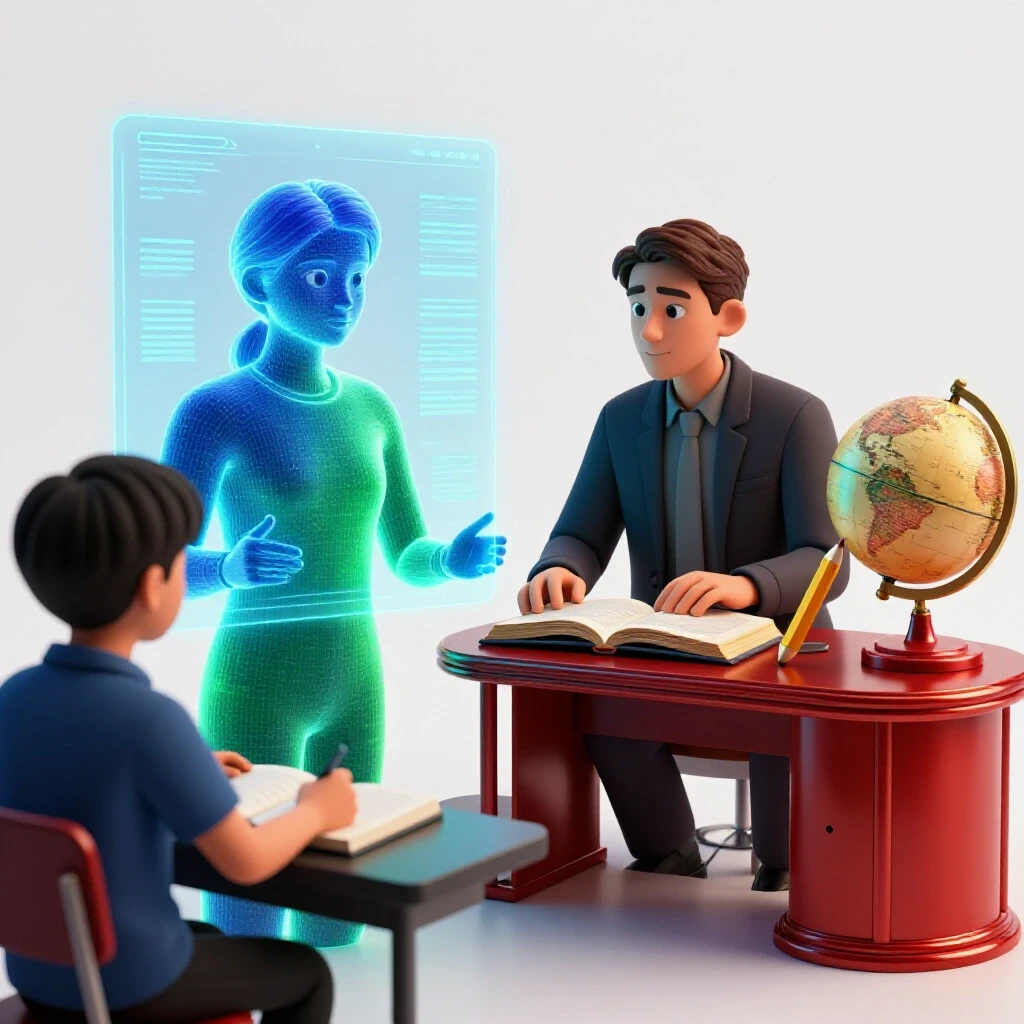
master degree programs in counseling psychology
It’s more than just listening to people’s problems; it’s about understanding the intricate web of human experience.
Think of counseling psychology as a rich, vibrant fabric.
It’s woven with threads of theory, practice, and real-life stories.
And guess what? This fabric is constantly evolving, shaped by society, tech, and our changing mental health needs.
I’m here to guide you through the fascinating world of master’s degree programs in counseling psychology.
We’ll explore what it takes to become a skilled and compassionate counselor in 2025 and beyond.
Section 1: The Evolution of Counseling Psychology
Historical Context
Let’s take a little trip back in time, shall we?

Counseling psychology didn’t just pop up overnight.
It has a rich history rooted in vocational guidance and helping individuals navigate life’s challenges.
Early pioneers like Frank Parsons, often called the “father of vocational guidance,” laid the foundation for the field.
Over the decades, counseling psychology has evolved from a focus on career counseling to a broader emphasis on mental health and well-being.
The textures of theory and practice have changed dramatically.
From psychoanalysis to cognitive-behavioral therapy (CBT) and beyond, new approaches have continuously reshaped how we understand and treat mental health issues.
Current Trends
Fast forward to today, and counseling psychology is buzzing with new trends!
One of the biggest is the integration of technology.
Teletherapy, online counseling platforms, and mental health apps are becoming increasingly common.
These tools expand access to care, especially for those in rural areas or with limited mobility.
Multicultural considerations are also front and center.
We recognize that people come from diverse backgrounds and that cultural factors can significantly impact mental health.
Counselors need to be culturally competent and sensitive to the unique needs of each client.
And let’s not forget the rise of teletherapy!
It’s like adding a new, digital thread to the fabric of our profession, allowing us to reach more people in innovative ways.
Section 2: Overview of Master’s Degree Programs
Program Structure
So, what does a master’s degree program in counseling psychology actually look like?
Well, it’s typically a two- to three-year journey filled with coursework, clinical training, and personal growth.
You’ll start with core courses that cover the fundamentals of counseling theory, ethics, and research methods.
Then, you’ll dive into more specialized topics like:
- Developmental psychology
- Psychopathology
- Group counseling
- Assessment techniques
But it’s not all about textbooks and lectures.
A big part of the program is experiential learning.
That means getting hands-on experience through practicums and internships.
These are opportunities to work with real clients under the supervision of experienced counselors.
Think of it as weaving together different strands of knowledge and experience to create a strong, resilient fabric.
Accreditation and Standards
Now, let’s talk about accreditation.
It’s like a seal of approval that ensures a program meets certain quality standards.
Accreditation is super important because it affects your eligibility for licensure and employment after graduation.
The two main accrediting bodies for counseling psychology programs are:
- The Council for Accreditation of Counseling and Related Educational Programs (CACREP)
- The American Psychological Association (APA)
These organizations set rigorous standards for curriculum, faculty qualifications, and clinical training.
When you choose an accredited program, you can be confident that you’re getting a high-quality education.
It’s like ensuring that the fabric you’re weaving is made from the finest materials.
Section 3: Specializations within Counseling Psychology
Diverse Pathways
One of the coolest things about counseling psychology is the variety of specializations you can pursue.
It’s like choosing different colors and patterns to create a unique design in your fabric.
Here are a few popular options:
- Clinical Mental Health Counseling: Focuses on assessing, diagnosing, and treating mental health disorders in various settings.
- School Counseling: Works with students in schools to address academic, social, and emotional needs.
- Marriage and Family Therapy: Helps couples and families resolve conflicts and improve communication.
- Rehabilitation Counseling: Assists individuals with disabilities to achieve their personal and vocational goals.
- Addiction Counseling: Provides support and treatment to individuals struggling with substance abuse.
Each specialization has its own unique texture, shaped by the specific populations you’ll be working with and the types of interventions you’ll be using.
Personalization of Education
The beauty of a master’s program is that you can tailor it to your interests and career goals.
It’s like adding your own personal touch to the fabric you’re creating.
You can choose elective courses that align with your passions, such as:
- Trauma-informed care
- Mindfulness-based interventions
- Multicultural counseling
Internships and research opportunities also allow you to deepen your knowledge and skills in specific areas.
For example, if you’re interested in working with children, you might seek out an internship at a child and family services agency.
Or, if you’re passionate about research, you could assist a professor with a study on a topic that interests you.
Section 4: Admission Requirements and Processes
Application Essentials
Okay, so you’re ready to apply to a master’s program in counseling psychology.
What do you need to do?
Well, the application process typically involves submitting:
- Transcripts from your undergraduate institution
- A personal statement outlining your goals and motivations
- Letters of recommendation from professors or supervisors
- GRE scores (though some programs are now waiving this requirement)
- A resume highlighting your relevant experience
The personal statement is your chance to shine!
It’s where you can tell the admissions committee why you’re passionate about counseling psychology and what you hope to achieve in the field.
Think of it as weaving your own story into the fabric of your application.
Diversity in Admissions
Counseling psychology values diversity and inclusivity.
Programs actively seek candidates from diverse backgrounds, including different races, ethnicities, genders, sexual orientations, and socioeconomic statuses.
Why?
Because diverse perspectives enrich the learning environment and help us better understand the experiences of our clients.
It’s like adding different colors and textures to our fabric to make it more vibrant and representative of the world we live in.
Section 5: The Role of Technology in Counseling Psychology Education
Online Learning Trends
The world is changing, and so is education.
Online and hybrid master’s degree programs are becoming increasingly popular.
These programs offer flexibility and convenience, allowing you to study from anywhere in the world.
But are they as good as traditional on-campus programs?
Well, it depends.
Online programs can be just as rigorous and engaging, but they require self-discipline and strong time-management skills.
It’s like adapting our fabric to a new, digital loom.
We need to ensure that the quality and integrity of the weave remain intact.
Innovative Teaching Methods
Technology is also transforming how we teach counseling psychology.
Simulation-based learning is becoming more common.
Students can practice their counseling skills in a safe, virtual environment before working with real clients.
Virtual reality (VR) experiences are also being used to help students develop empathy and understanding.
For example, students might use VR to experience what it’s like to have a mental health disorder or to be a member of a marginalized group.
These innovative methods add new layers to the learning experience, making it more immersive and impactful.
Section 6: Career Outcomes for Graduates
Job Market Landscape
Alright, let’s talk about the job market.
What can you do with a master’s degree in counseling psychology?
Well, the good news is that the demand for mental health professionals is growing!
According to the Bureau of Labor Statistics, employment of substance abuse, behavioral disorder, and mental health counselors is projected to grow 22 percent from 2021 to 2031, much faster than the average for all occupations.
That means there will be plenty of opportunities for qualified counselors in the years to come.
You can work in a variety of settings, including:
- Community mental health centers
- Hospitals
- Schools
- Private practice
- Correctional facilities
Impact of Specializations on Employment
Your specialization can also influence your career opportunities.
For example, if you specialize in school counseling, you’ll likely work in a school setting.
If you specialize in marriage and family therapy, you might open your own private practice or work in a family services agency.
It’s important to choose a specialization that aligns with your interests and career goals.
Think of it as choosing the right thread to weave the career you want.
Section 7: Future Directions in Counseling Psychology Education
Emerging Trends
What does the future hold for counseling psychology education?
Well, I think we’ll see even greater emphasis on:
- Telehealth: As technology advances, telehealth will become even more integrated into our practice.
- Multicultural competence: We’ll need to continue to develop our skills in working with diverse populations.
- Trauma-informed care: Understanding the impact of trauma will be essential for all counselors.
- Holistic approaches: We’ll need to consider the whole person, including their physical, emotional, and spiritual well-being.
Societal changes, such as increased mental health awareness and the destigmatization of mental illness, will also shape our profession.
Advancements in Research
Research is the engine that drives progress in counseling psychology.
Ongoing research is helping us better understand mental health disorders and develop more effective treatments.
For example, researchers are exploring the use of:
- Mindfulness-based interventions for anxiety and depression
- Cognitive-behavioral therapy for insomnia
- Exposure therapy for phobias
This research informs the curriculum for master’s degree programs, ensuring that students are learning the most up-to-date and evidence-based practices.
Conclusion: Weaving the Future of Counseling Psychology
So, there you have it!
A glimpse into the vibrant tapestry of counseling psychology education in 2025.
Master’s degree programs are essential for shaping competent, compassionate professionals who are ready to address the mental health needs of diverse populations.
Remember, becoming a counselor is not just about acquiring knowledge and skills.
It’s also about personal growth and self-discovery.
It’s about weaving together your own experiences, values, and passions to create a unique and meaningful career.
So, if you’re drawn to helping others and making a difference in the world, counseling psychology might just be the perfect path for you.
Go out there and weave your own unique thread into the fabric of our profession!