Zoology vs Animal Sci (Critical Career Choice!)
A Critical Career Choice for 2025
Ever walked into a house that’s been beautifully renovated?
The kind where every room feels fresh, functional, and full of life?
Choosing a career path can feel a lot like that renovation process.
You’re taking something with potential – your skills and interests – and shaping it into a fulfilling future.
Sometimes, the hardest part is deciding what to renovate into.
That’s especially true in fields like life sciences, where options abound.
Today, I want to talk about two fascinating areas: zoology and animal science.
Think of them as two different blueprints for your career home.
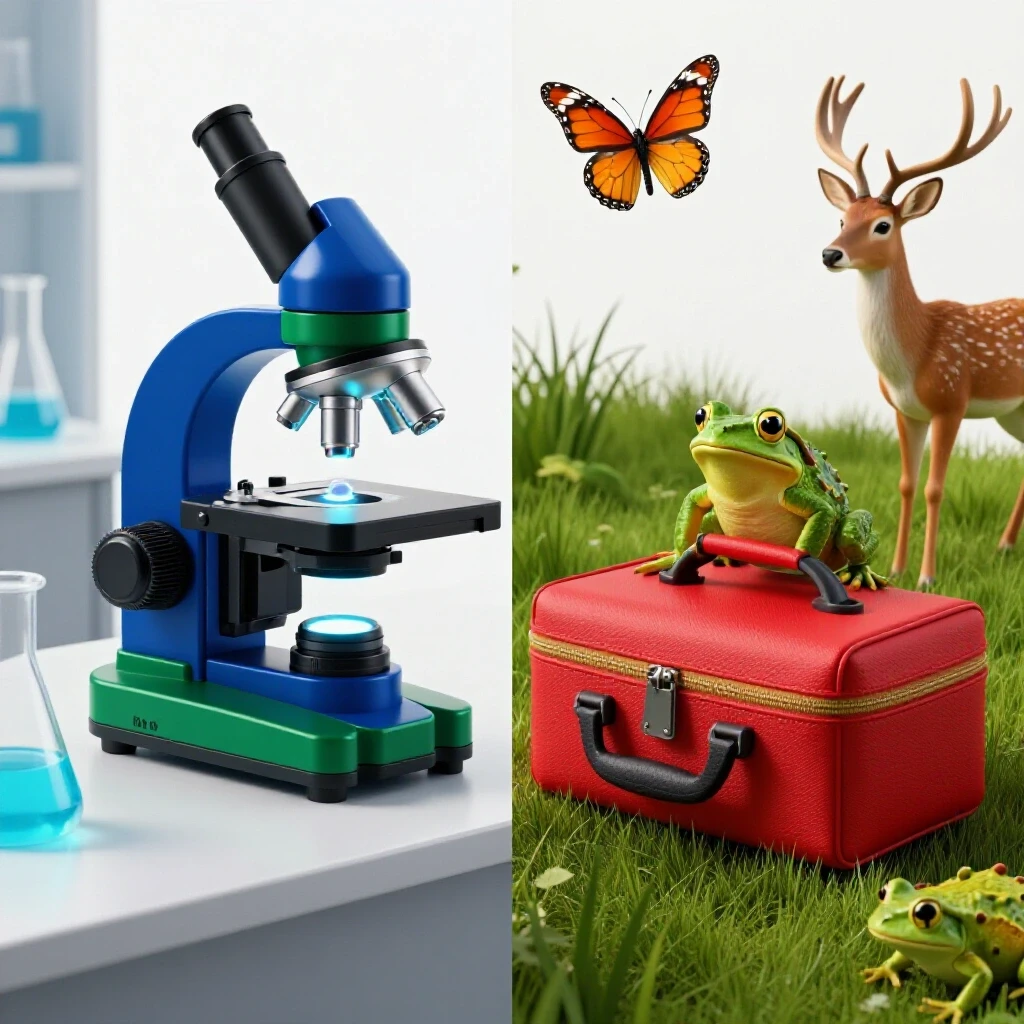
Choosing between them is a big decision, one that will shape your future and your impact on the world.
Just like a well-planned renovation can transform a house, a thoughtful career choice can transform your life.
So, let’s dive in and explore these two fields together!
Section 1: Defining the Fields
What Exactly is Zoology?
Zoology, at its core, is the scientific study of animals.
It’s a broad field that encompasses everything from animal anatomy and physiology to behavior, ecology, evolution, and conservation.
Think of it as the ultimate deep dive into the animal kingdom.
Zoology has a rich history, dating back to Aristotle, who meticulously observed and classified animals.
Today, it’s a dynamic science that uses cutting-edge technology to understand animal life.
Its significance lies in its contribution to our understanding of the natural world.
Zoologists play a vital role in conservation efforts, disease prevention, and even human health research, by studying animal models.
What About Animal Science?
Animal science, on the other hand, is a more applied field.
It focuses on the study of domestic animals, including livestock, poultry, and companion animals.
The main areas of focus are:
- Animal husbandry
- Nutrition
- Breeding
- Welfare
It’s all about optimizing the production and health of animals for human benefit.
Animal science is crucial for ensuring food security, improving animal welfare practices, and developing sustainable agricultural systems.
The Overlap and the Divide
Now, here’s where things get interesting.
There’s definitely overlap between zoology and animal science.
Both fields require a strong foundation in biology, chemistry, and mathematics.
You’ll find shared subjects like animal physiology, genetics, and nutrition in both zoology and animal science programs.
However, the key difference lies in the focus.
Zoology is primarily concerned with wild animals and their natural environments, while animal science is geared towards domestic animals and their management.
Think of it this way: a zoologist might study the behavior of wolves in Yellowstone National Park, while an animal scientist might research the optimal diet for dairy cows to increase milk production.
Section 2: Educational Pathways
The Zoology Route
So, you’re interested in becoming a zoologist? Great!
Here’s what the educational path typically looks like:
Undergraduate Degree: A bachelor’s degree in zoology, biology, or a related field is the first step.
Coursework will include genetics, ecology, animal behavior, and comparative anatomy.Research Experience: Getting involved in research is crucial.
Look for opportunities to assist professors in their research labs, participate in field studies, or even conduct your own independent research project.Graduate Studies (Optional but Recommended): Many zoology careers, especially those in research or academia, require a master’s or doctoral degree.
Graduate programs allow you to specialize in a particular area of zoology, such as ornithology (the study of birds) or entomology (the study of insects).
The Animal Science Route
If animal science is calling your name, here’s the educational roadmap:
Undergraduate Degree: A bachelor’s degree in animal science, animal biology, or a related field is the starting point.
Coursework will cover animal nutrition, breeding, physiology, and management.-
Practical Training: Hands-on experience is essential in animal science.
Look for internships or volunteer opportunities on farms, ranches, veterinary clinics, or animal research facilities.
-
Specialized Certifications (Optional): Depending on your career goals, you might consider pursuing specialized certifications, such as those in animal nutrition or artificial insemination.
Zoology vs. Animal Science Curricula
Let’s compare the curricula side-by-side.
As you can see, while there are some overlapping subjects, the focus and skill development differ significantly.
Section 3: Career Opportunities
Zoology Career Paths
A zoology degree can open doors to a variety of exciting careers.
Here are a few examples:
-
Wildlife Biologist: Study animals in their natural habitats, conduct research on their behavior and ecology, and develop conservation plans.
-
Conservation Officer: Enforce wildlife laws and regulations, manage wildlife populations, and educate the public about conservation issues.
-
Research Scientist: Conduct research on animal physiology, genetics, or behavior in a laboratory setting.
Potential Employers:
- Government agencies (e.g., U.S. Fish and Wildlife Service, National Park Service)
- Non-profit organizations (e.g., The Nature Conservancy, World Wildlife Fund)
- Universities and research institutions
Animal Science Career Paths
Animal science graduates have a wide range of career options as well.
Here are some examples:
-
Veterinary Technician: Assist veterinarians in providing medical care to animals.
-
Animal Nutritionist: Develop and evaluate animal feed formulations to optimize animal health and productivity.
-
Livestock Manager: Oversee the day-to-day operations of a livestock farm or ranch.
Industries That Typically Hire:
- Animal feed companies
- Livestock farms and ranches
- Veterinary clinics
- Pharmaceutical companies
Emerging Career Fields in 2025
Looking ahead to 2025, both zoology and animal science are expected to see growth in emerging fields.
In zoology, there’s a growing demand for professionals with expertise in:
-
Conservation Technology: Using drones, GPS tracking, and other technologies to monitor wildlife populations and combat poaching.
-
Wildlife Disease Ecology: Studying the spread of diseases among wild animals and developing strategies to prevent outbreaks.
In animal science, emerging trends include:
-
Precision Livestock Farming: Using sensors and data analytics to optimize animal health and productivity.
-
Sustainable Animal Agriculture: Developing farming practices that minimize environmental impact and promote animal welfare.
Section 4: Skills and Competencies
Zoology Skill Set
To thrive in zoology, you’ll need a specific set of skills.
-
Analytical Skills: The ability to analyze data, interpret research findings, and draw logical conclusions.
-
Field Research Capabilities: Experience conducting research in the field, including animal observation, data collection, and habitat assessment.
-
Statistical Analysis: Proficiency in using statistical software to analyze data and test hypotheses.
Animal Science Competencies
In animal science, different competencies are crucial for success.
-
Animal Husbandry Knowledge: A deep understanding of animal care, feeding, and management practices.
-
Communication Skills: The ability to communicate effectively with farmers, ranchers, veterinarians, and other stakeholders.
-
Understanding of Animal Welfare Regulations: Knowledge of animal welfare laws and regulations, and a commitment to promoting ethical treatment of animals.
Aligning Skills with Career Paths
It’s important to consider how your skills align with your chosen career path.
For example, if you’re interested in becoming a wildlife biologist, you’ll need strong field research skills and a passion for conservation.
If you’re interested in becoming an animal nutritionist, you’ll need a solid understanding of animal physiology and nutrition.
Section 5: Impact on Society and Environment
Zoology’s Role in Conservation
Zoologists play a critical role in conservation efforts worldwide.
They conduct research to understand the threats facing animal populations and develop strategies to protect endangered species and their habitats.
For example, zoologists have been instrumental in the recovery of the gray wolf population in Yellowstone National Park.
Through careful monitoring and management, they’ve helped to restore this iconic species to its former range.
Animal Science and Food Security
Animal science contributes to food security by improving the efficiency and sustainability of animal agriculture.
Animal scientists develop new feeding strategies, breeding programs, and management practices that increase animal productivity while reducing environmental impact.
For example, innovations in dairy farming, such as precision feeding systems, have led to increased milk production with reduced greenhouse gas emissions.
Ethical Considerations
Both zoology and animal science raise important ethical considerations.
Zoologists must grapple with the ethics of animal research, the impact of human activities on wildlife, and the challenges of balancing conservation with human needs.
Animal scientists must address concerns about animal welfare, the use of antibiotics in livestock, and the environmental impact of animal agriculture.
Section 6: Future Trends and Innovations
Zoology Trends in 2025
By 2025, zoology will likely be transformed by several key trends:
-
Advancements in Genetics: Genetic tools will be used to study animal evolution, identify endangered species, and develop conservation strategies.
-
Conservation Technology: Drones, GPS tracking, and other technologies will become increasingly important for monitoring wildlife populations and combating poaching.
Animal Science Trends in 2025
In animal science, expect to see:
-
Precision Livestock Farming: Sensors and data analytics will be used to optimize animal health, productivity, and welfare.
-
Alternative Protein Sources: Research into alternative protein sources, such as insects and plant-based proteins, will continue to grow.
The Impact of Climate Change
Climate change is already having a profound impact on both zoology and animal science.
Zoologists are studying how climate change is affecting animal populations and ecosystems, and developing strategies to help animals adapt to changing conditions.
Animal scientists are working to reduce the environmental impact of animal agriculture and develop climate-resilient farming practices.
Section 7: Personal Reflection and Decision-Making
Reflecting on Your Interests
Choosing between zoology and animal science is a personal decision.
Think about what truly excites you.
Are you fascinated by wild animals and their natural habitats?
Or are you more interested in the care and management of domestic animals?
The Importance of Mentorship
Seek out mentors who can provide guidance and support as you explore your career options.
Talk to zoologists, animal scientists, veterinarians, and other professionals in the field.
Ask them about their career paths, their challenges, and their rewards.
Making an Informed Choice
Ultimately, the best way to decide between zoology and animal science is to gain practical experience in both fields.
Volunteer at a wildlife rehabilitation center, intern on a farm, or shadow a veterinarian.
These experiences will give you a better understanding of the day-to-day realities of each career path.
Conclusion: The Renovation of Career Choices
Remember that renovation metaphor we started with?
Choosing a career path is like renovating a house.
You’re taking something with potential and transforming it into something beautiful and functional.
By carefully considering your interests, skills, and values, you can make an informed decision that will lead to a fulfilling and impactful career.
Whether you choose zoology or animal science, you’ll have the opportunity to make a real difference in the world.
So, embrace the challenge, explore your options, and start renovating your future today!