Zoologist Without a Degree? (Critically Endangered!)
We all crave it, right? It’s the same with our careers. Especially in fields like zoology.
So many aspiring zoologists I chat with feel like a degree is the only way.
It’s like a safety net, a guaranteed ticket to success.
But what if I told you that belief might be… well, a little misleading?
Zoology is evolving. It’s not just about textbooks and labs anymore.
It’s about passion, hands-on experience, and a deep love for the animal kingdom.
And guess what?
Those things don’t always come in the form of a diploma.
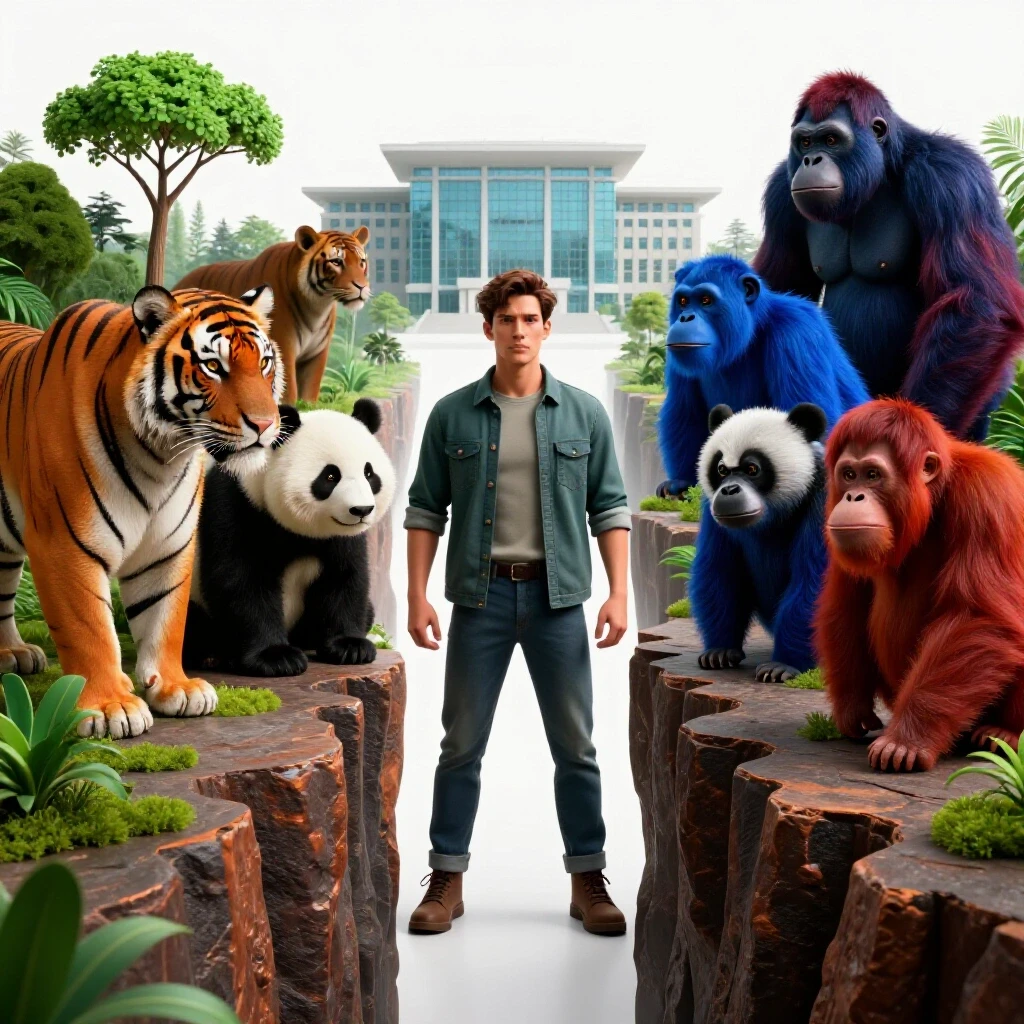
I want to explore how the field is opening up to diverse pathways, even for those without formal degrees.
I’m not saying ditch college, but let’s challenge that “degree or bust” mentality.
Is it really the only way to achieve your zoological dreams?
Let’s find out, shall we?
Section 1: The Evolution of Zoology and the Role of Degrees
Okay, so let’s rewind a bit and look at the history of zoology.
It wasn’t always as structured as it is now.
Think back to the early naturalists – people like Darwin, who learned through observation and exploration.
But as science advanced, so did the need for formal training.
Universities became the gatekeepers of knowledge, and a degree became the standard for entering the field.
For a long time, this made sense.
Zoology requires a solid understanding of biology, ecology, genetics, and a whole bunch of other “ologies”!
A degree program provides that foundation, right? Absolutely. And the numbers back it up. According to the U.S.
Bureau of Labor Statistics, most zoologists and wildlife biologists hold at least a bachelor’s degree.
(Source: BLS.gov)
But here’s where it gets interesting.
That perception of a degree as a necessity has been reinforced over time, creating a kind of self-fulfilling prophecy.
Aspiring zoologists often feel pressured to follow the traditional path, even if it’s not the best fit for them or their circumstances.
Think about the cost of tuition, the years of study, the potential debt.
For some, it’s simply not feasible.
And that’s where alternative pathways start to look a whole lot more appealing.
So, while a degree is undoubtedly valuable, it’s important to remember that it’s not the only route.
The question is, how do we navigate those alternative routes successfully?
Section 2: The Rise of Alternative Pathways
Alright, buckle up, because we’re diving into the exciting world of non-traditional zoologists!
I’ve met some incredible people who are making a real difference in the field, even without a degree.
How do they do it?
Well, it’s a mix of passion, dedication, and a willingness to forge their own path.
Online courses are a huge resource.
Platforms like Coursera and edX offer specialized courses in everything from animal behavior to conservation biology.
These courses can provide a solid theoretical foundation, and often include practical components like field projects or data analysis.
Workshops are another great option.
Many conservation organizations and wildlife sanctuaries offer hands-on workshops on topics like animal tracking, habitat restoration, and wildlife photography.
These workshops are a fantastic way to gain practical skills and network with professionals in the field.
Volunteer opportunities are where the magic really happens.
I’ve seen people transform their careers by volunteering at zoos, wildlife rehabilitation centers, and research projects.
It’s a chance to get your hands dirty, learn from experienced professionals, and demonstrate your commitment to zoology.
And let’s not forget internships!
Even without a degree, many organizations offer internships that provide valuable experience and training.
Look for internships that align with your interests and career goals, and don’t be afraid to apply even if you don’t meet all the listed qualifications.
I once spoke with a woman named Sarah who started out as a volunteer at a local wildlife sanctuary.
She had no formal training in zoology, but she was passionate about animals and eager to learn.
Over time, she gained valuable skills in animal care, habitat management, and public education.
Eventually, she was hired as a full-time staff member, and is now the sanctuary’s education coordinator.
Her story is a testament to the power of hands-on experience and dedication.
These alternative pathways aren’t always easy, but they offer a unique opportunity to learn and grow in the field of zoology.
Section 3: Skills and Experience Over Formal Education
Let’s get down to brass tacks: what skills and experiences are actually valuable in zoology?
It’s not just about knowing the scientific names of animals or memorizing their habitats.
It’s about being able to observe, analyze, and solve problems in the real world.
Hands-on experience is king (or queen!) Fieldwork is where you truly learn about animal behavior, ecology, and conservation.
Being able to track animals, collect data, and identify species in the field is invaluable.
Animal care is another critical skill.
Whether you’re working at a zoo, a wildlife rehabilitation center, or a research lab, you need to know how to care for animals properly.
This includes feeding, cleaning, providing medical care, and ensuring their welfare.
Research projects are a great way to develop your analytical and problem-solving skills.
Participating in research projects, whether as a volunteer or an intern, allows you to learn how to design experiments, collect and analyze data, and communicate your findings.
I remember talking to a seasoned wildlife biologist who told me, “I’d rather hire someone with a year of field experience than someone with a PhD and no practical skills.” That really stuck with me.
Networking is also crucial.
Attending conferences, joining professional organizations, and connecting with other zoologists can open doors to new opportunities and provide valuable mentorship.
And let’s not forget the importance of passion.
Zoology is a demanding field, and it requires a deep love for animals and a commitment to conservation.
That passion is what will drive you to overcome challenges and make a real difference.
I’ve seen people with advanced degrees burn out because they lacked that intrinsic motivation.
But I’ve also seen people without degrees thrive because their passion fueled their learning and growth.
Ultimately, it’s about demonstrating your skills and experience to potential employers.
Create a portfolio of your work, highlight your accomplishments, and be prepared to showcase your abilities in interviews and practical assessments.
Section 4: Challenges Faced by Non-Degree Holders
Okay, let’s be real.
Pursuing a career in zoology without a degree isn’t all sunshine and rainbows.
There are definitely challenges you’ll need to overcome.
Societal perceptions can be a major hurdle.
There’s still a stigma associated with not having a degree, and some people may question your credibility or expertise.
It’s important to be confident in your abilities and to demonstrate your knowledge and skills through your work.
Job market competition is fierce.
You’ll be competing against candidates with formal degrees, so you’ll need to find ways to stand out.
This means building a strong portfolio, gaining relevant experience, and networking effectively.
Limited access to certain roles is another challenge.
Some positions, particularly those in academia or government agencies, may require a degree as a minimum qualification.
However, there are still many opportunities in the private sector, non-profit organizations, and zoos that are open to candidates without degrees.
According to a recent survey by the Ecological Society of America, entry-level positions in ecology and conservation often require a bachelor’s degree, but many organizations are increasingly valuing practical experience and specialized skills.
(Source: ESA)
The stigma surrounding education can also impact career advancement.
You may need to work harder to prove yourself and to overcome any preconceived notions about your abilities.
However, with dedication and perseverance, you can achieve your career goals.
I’ve seen people face skepticism and doubt, but they’ve used it as fuel to prove their worth.
They’ve gone above and beyond to demonstrate their skills, knowledge, and commitment to zoology.
It’s about being proactive, seeking out opportunities, and never giving up on your dreams.
Remember, your passion and experience are your greatest assets.
Section 5: The Future of Zoology and Education
Let’s gaze into our crystal ball and imagine what the future of zoology education might look like in 2025.
I see some exciting trends emerging.
Increasing acceptance of non-traditional backgrounds is definitely on the rise.
As the field of zoology becomes more diverse and inclusive, organizations are recognizing the value of different perspectives and experiences.
The role of technology in education is also growing.
Online learning platforms, virtual reality simulations, and data analysis tools are making education more accessible and engaging.
The growing emphasis on experience-based learning is another key trend.
Institutions are increasingly incorporating fieldwork, internships, and research projects into their curricula, recognizing the importance of practical skills and hands-on experience.
I believe that institutions will adapt their programs to accommodate diverse learning paths.
This could include offering more flexible degree programs, recognizing prior learning experiences, and providing alternative pathways to certification and licensure.
For example, some universities are experimenting with competency-based education, where students earn credit based on their demonstrated skills and knowledge, rather than the number of hours they spend in a classroom.
These changes could have a profound impact on conservation efforts and biodiversity.
By making zoology education more accessible and inclusive, we can attract a wider range of talent and perspectives to the field.
This, in turn, can lead to more innovative solutions to the challenges facing wildlife and ecosystems around the world.
I envision a future where zoology is a truly interdisciplinary field, drawing on expertise from a wide range of disciplines, including technology, engineering, and social sciences.
Section 6: Call to Action
Okay, it’s time to put on your thinking caps and reconsider your perceptions of what it means to be a zoologist.
I’m calling for a more inclusive approach to the field, where passion and experience are valued alongside formal education.
Let’s break down the barriers that prevent talented individuals from pursuing their dreams, regardless of their educational background.
Let’s create a more equitable and accessible field where everyone has the opportunity to contribute their skills and knowledge.
I urge aspiring zoologists to explore alternative pathways, to seek out hands-on experiences, and to build a strong portfolio of their work.
Don’t be afraid to challenge the norm and to forge your own path.
I also encourage employers to consider candidates based on their skills and experience, rather than solely on their degrees.
Let’s recognize the value of diverse perspectives and create opportunities for individuals from non-traditional backgrounds.
And finally, I call on educational institutions to adapt their programs to accommodate diverse learning paths and to provide more flexible and accessible options for aspiring zoologists.
Let’s work together to create a more inclusive and equitable field where everyone has the opportunity to thrive.
Remember, the future of zoology depends on our ability to embrace diversity and to value the contributions of all individuals, regardless of their educational background.
Conclusion
So, let’s recap what we’ve discussed.
While degrees can provide valuable knowledge, they are not the only path to success in zoology.
Alternative pathways, such as online courses, workshops, volunteer opportunities, and internships, can provide valuable skills and experience.
Hands-on experience, networking, and passion are crucial for success in the field.
Non-degree holders may face challenges, but they can overcome them by building a strong portfolio, gaining relevant experience, and networking effectively.
The future of zoology education is evolving, with increasing acceptance of non-traditional backgrounds and a growing emphasis on experience-based learning.
Let’s celebrate the contributions of those who challenge the norm and remind ourselves of the importance of passion, dedication, and hands-on experience in becoming effective zoologists, regardless of their educational background.
Ultimately, it’s about making a difference in the world and contributing to the conservation of our planet’s amazing biodiversity.
And that’s something we can all do, regardless of our degrees.