Recognition of Prior Learning Explained: Process, Benefits & Guide (2026)
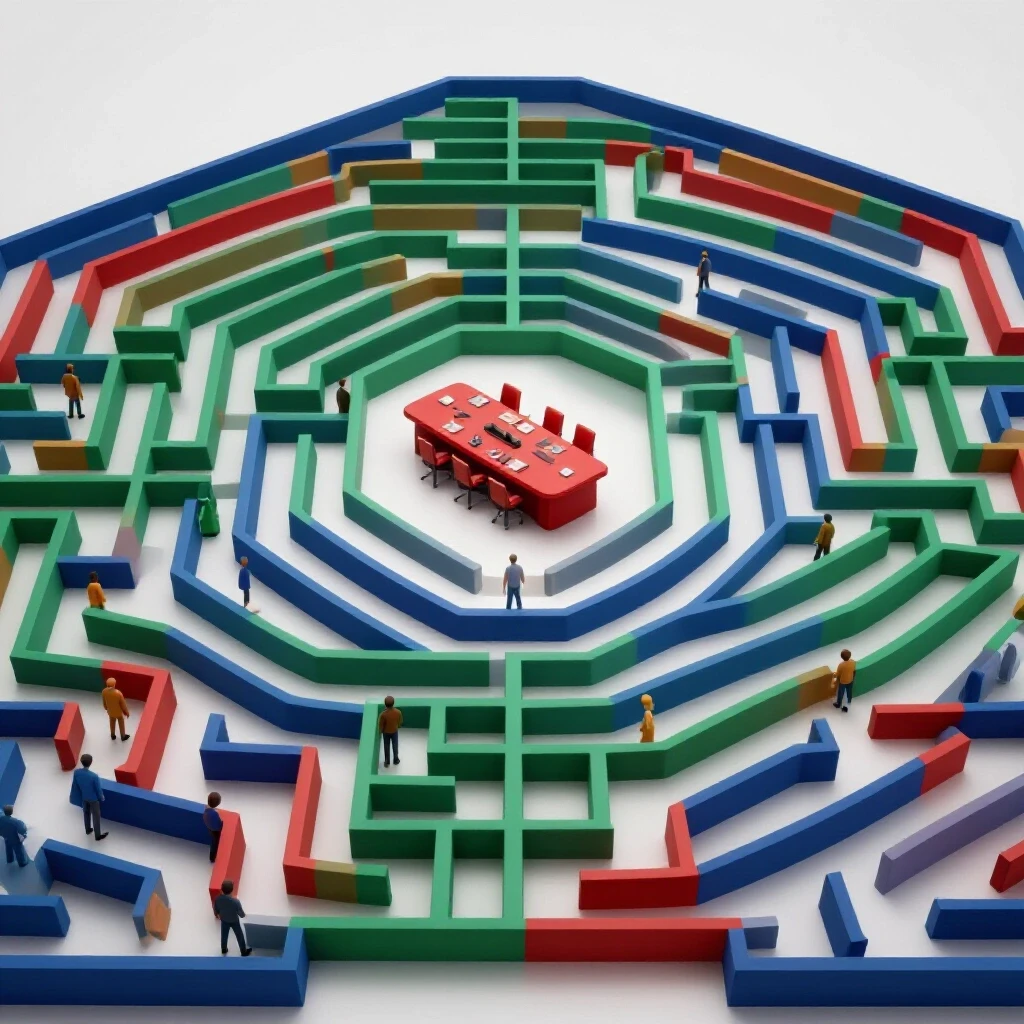
Imagine walking into a high-end boutique where your previous life experiences act as a gold-standard currency. In the world of higher education, Recognition of Prior Learning (RPL) is that luxury. It is a specialized pathway that honors the time you have already spent mastering skills in the real world. Instead of paying to sit through a class on a topic you already know, RPL allows you to walk straight to the finish line by proving your expertise.
What is Recognition of Prior Learning?
Recognition of Prior Learning (RPL) is a formal process where colleges evaluate the skills and knowledge you gained outside a traditional classroom. This includes work experience, volunteering, or self-taught hobbies. If your skills match the course requirements, you earn academic credit without taking the class, saving you significant time and money.

When I first started as an academic advisor, I met many students who felt like they were “wasting time” in introductory courses. One student, Sarah, had spent five years managing a local community garden and coordinating dozens of volunteers. When she enrolled in a Management 101 course, she realized she already knew 90 percent of the material. This is where RPL comes in. It is the bridge between what you have done in life and what you need for your degree.
RPL is built on the idea that learning happens everywhere, not just in a lecture hall. It focuses on “learning outcomes,” which are the specific things a student should know by the end of a course. If you can prove you already meet those outcomes, the university can grant you credit. It is a way of saying, “We value the work you have done, and we won’t make you repeat it.”
My Journey Navigating the RPL Process
This section explores my personal journey as an advisor helping students navigate the complex world of RPL applications. It highlights the shift from feeling overwhelmed by jargon to successfully mapping real-world skills to academic standards through evidence and patience. This process often reveals hidden talents that students did not realize were “academic.”
I remember working with a student named Marco who was an international student from Brazil. Marco had worked for years as a self-taught computer programmer before deciding to get a formal degree. He was terrified that his years of coding wouldn’t count for anything because he didn’t have a transcript from a previous school. We spent weeks looking through his “informal learning”—the things he learned by doing, rather than by sitting in a class.
We sat down with the course descriptions for his degree. I asked him to show me his projects. We looked at his code, his project management logs, and the letters from his previous clients. This was his “evidence.” Seeing the look of relief on his face when he realized he could skip three introductory programming classes was one of the highlights of my career. It turned a four-year degree into a three-year journey, saving him thousands of dollars in tuition and living expenses.
Understanding Non-Formal and Informal Learning
Non-formal and informal learning are the two main categories of experience that qualify for RPL. Non-formal learning involves structured programs like workshops or professional certifications that do not offer college credit. Informal learning is more organic, happening through daily life, work tasks, or self-directed hobbies and personal interests.
To make this clearer, I often use a simple comparison. Think of non-formal learning as a structured cooking class you took at a community center. You didn’t get a degree, but you followed a curriculum. Informal learning is like learning to cook by helping your grandmother in the kitchen every Sunday for ten years. Both make you a great cook, and both can be evaluated for credit.
In the academic world, we need to categorize these so we can measure them. Here is a breakdown of how these types of learning differ from the formal education you are likely used to:
| Feature | Formal Learning | Non-Formal Learning | Informal Learning |
|---|---|---|---|
| Structure | Highly structured (Degrees) | Organized (Workshops) | Unstructured (Experience) |
| Goal | Academic credit/Diploma | Skill building/Certificate | Personal or job growth |
| Location | Schools/Universities | Workplaces/Community | Everywhere/Daily life |
| RPL Potential | High (Transfer credit) | High (Through RPL) | High (Through Portfolio) |
The Mechanics of RPL: How It Actually Works
The mechanics of RPL involve specific methods used by schools to test your knowledge, such as portfolio reviews or challenge exams. These tools allow faculty to see if your “real-world” skills match the “academic” requirements of a course. It is a rigorous process that ensures you truly possess the necessary expertise.
- Portfolio Submission: This is a collection of documents, photos, and written reflections that prove your skills.
- Competency Mapping: This is the process of linking your specific tasks (like “managed a budget”) to course goals (like “demonstrates financial literacy”).
- Challenge Exams: These are tests you take to “test out” of a class. If you pass, you get the credit.
- Demonstrations: Sometimes, an instructor might ask you to perform a task, like coding a script or performing a musical piece, to prove your ability.
Why Should You Consider RPL?
Considering RPL is a smart move because it honors your existing expertise while reducing the total cost of your education. By skipping courses you have already mastered, you can graduate sooner and enter the workforce or move to advanced studies faster. It also reduces the “academic fatigue” of repeating basic material.
For international students, RPL is a game-changer. Many students come to the U.S. or other countries with years of experience that doesn’t always fit neatly into a transfer credit box. RPL provides a way to validate that expertise. It acknowledges that your brain didn’t start from scratch just because you crossed a border.
- Cost Savings: You typically pay a small assessment fee instead of full tuition for the course.
- Faster Graduation: Earning 12 credits through RPL could save you an entire semester of work.
- Confidence Boost: Seeing your life experience translated into college credits proves that your hard work outside of school has real value.
- Customized Learning: You can focus your energy on learning new things rather than rehashing what you already know.
The Role of Evidence in Your RPL Application
Evidence is the heart of an RPL application and consists of the tangible proof you provide to show your mastery of a subject. This can include work samples, performance reviews, certificates of completion, or even a detailed diary of your work duties. Without strong evidence, a college cannot grant credit.
I once advised a student who wanted credit for a “Public Speaking” course. She had been a youth leader in her church for years. To provide evidence, she submitted video recordings of her presentations, her written speech outlines, and a letter from her mentor describing her growth as a speaker. This was much more powerful than a simple list on a resume.
When gathering evidence, think like a detective. You are trying to prove a case. If you say you know how to use specialized software, don’t just say it—show a screenshot of a project you completed using that software. If you say you are a skilled writer, provide a link to a blog or an article you published.
Common Pitfalls to Avoid During the RPL Process
Avoiding common pitfalls in the RPL process requires careful attention to detail and an understanding that not all experiences are “academic” in nature. Many students fail because they provide too much “fluff” and not enough specific proof. Others wait until too late in their degree to start the process.
- Being Too Vague: Don’t just say “I worked in an office.” Say “I managed payroll for 50 employees using specialized accounting software.”
- Missing Deadlines: Many schools require RPL applications to be submitted during your first semester.
- Ignoring the Syllabus: Your evidence must match the specific goals listed in the course syllabus.
- Lack of Reflection: Colleges often want you to write about what you learned, not just what you did.
- Underestimating the Work: Creating a portfolio takes time. It is often as much work as a short research paper.
Step-by-Step Guide to Applying for RPL
- Identify the Courses: Look at your degree plan. Which classes cover things you already know how to do?
- Contact the RPL Coordinator: Most colleges have a specific person or office that handles these requests.
- Review the Learning Outcomes: Get the syllabus for the class and look at the “Student Learning Outcomes” (SLOs).
- Gather Your Evidence: Collect certificates, work samples, and letters of recommendation.
- Write Your Narrative: Explain clearly how your experience matches each learning outcome.
- Submit and Pay the Fee: There is usually a fee for the faculty to review your work.
- Wait for the Assessment: A faculty expert will review your file and decide if you have met the standards.
How Academic Advisors Can Support Newcomers
Academic advisors play a crucial role by acting as translators between a student’s life experience and the university’s strict requirements. They help students identify which experiences are “credit-worthy” and guide them through the technical steps of the application. A good advisor makes the process feel less intimidating.
As an advisor, I see my job as a “talent scout.” I look for the skills students don’t even realize they have. If a student tells me they spent their summers working as a camp counselor, I hear “leadership,” “conflict resolution,” and “program planning.” I then help them find the courses that match those skills.
If you are a new advisor, start by asking open-ended questions. Instead of just asking “Do you have transfer credits?” ask “What have you spent your time doing over the last few years?” This often uncovers a wealth of knowledge that can be funneled into an RPL application.
Metrics and Data: The Impact of RPL
The impact of RPL can be measured in significant time and financial savings for the average student. Data from various educational institutions show that students who utilize RPL are more likely to complete their degrees. This is because the process removes barriers and honors the student’s prior commitment to learning.
- Average Credits Earned: Many students earn between 6 and 15 credits through RPL.
- Cost Comparison: An RPL assessment might cost $100-$300, while a 3-credit course can cost over $1,500.
- Graduation Rates: Students with RPL credits often have higher graduation rates because they feel a stronger connection to their degree.
- Time Saved: Successful RPL can shave 3 to 6 months off a standard four-year degree timeline.
Tools and Resources for Your RPL Journey
These tools and resources are essential for researching how your experience might translate into college credit. From national databases to institutional planners, using these assets will give you a clearer picture of your options. They help demystify the “hidden” rules of academic credit.
- College Navigator (NCES): Use this to find schools that have robust “Credit for Life Experience” policies.
- CAEL (Council for Adult and Experiential Learning): A leading organization that provides guidelines and resources for RPL.
- The Course Syllabus: This is your most important tool. It tells you exactly what the school wants you to know.
- LinkedIn Learning or Coursera: These platforms can help you turn informal learning into “non-formal” learning with certificates.
- Advising Appointment Planner: Use a simple sheet to list your skills next to the courses you think they match before your meeting.
Key Questions to Ask Your Academic Advisor
- Does this institution have a formal policy for Recognition of Prior Learning?
- What is the maximum number of credits I can earn through RPL?
- Are there specific “challenge exams” available for introductory courses?
- What kind of evidence is most successful for a portfolio review?
- Is there a deadline during my first semester to apply for these credits?
- How much does the assessment fee cost compared to the tuition for the class?
- Will these credits transfer if I decide to go to a different university later?
Frequently Asked Questions (FAQ)
What is the main difference between RPL and transfer credit? Transfer credit is for formal classes you took at another accredited college where you received a grade on a transcript. RPL is for learning that happened outside of a college, such as at a job, through a hobby, or via a non-credit workshop. RPL requires you to prove your knowledge through a portfolio or exam, whereas transfer credit is usually a direct paper exchange.
Can I get a full degree just through RPL? No, most institutions have a “residency requirement.” This means you must take a certain percentage of your classes (usually 25% to 50%) directly from the school granting the degree. RPL is meant to supplement your degree, not replace the entire educational experience.
How much money can I actually save? The savings can be substantial. If a course costs $500 per credit hour, a 3-credit class costs $1,500. An RPL assessment fee might only be $150. If you earn 12 credits through RPL, you could save over $5,000, depending on your school’s tuition rates.
Does RPL affect my Grade Point Average (GPA)? In most cases, RPL credits are awarded as “CR” (Credit) or “P” (Pass). They do not usually carry a letter grade like an A or B. This means they count toward your total credits for graduation but do not change your GPA calculation.
What happens if my RPL application is denied? If your application is denied, it usually means the faculty felt your evidence didn’t quite match the course requirements. You can usually still take the class normally. Some schools allow you to appeal the decision or submit more evidence if you missed something the first time.
Is RPL recognized by employers? Employers generally care about the final degree you earn. Since RPL credits appear on your official transcript as college credit, they are part of a legitimate, accredited degree. Employers often value the fact that you were proactive enough to have your professional skills formally recognized.
Can international students use RPL? Yes, and it is often very beneficial for them. If an international student has professional experience from their home country that doesn’t show up on a school transcript, RPL is the perfect way to get credit for that expertise. It helps bridge the gap between different global education systems.
How long does the RPL process take? The timeline varies, but it usually takes between 4 and 8 weeks. This includes the time you spend gathering evidence, the time the faculty takes to review it, and the administrative time to post the credit to your transcript. It is best to start the process as soon as you are admitted.
Do I need a lawyer or an agent to help with RPL? No, you do not need any outside help. Your best resource is your college’s academic advisor or the RPL coordinator. They are there to help you navigate the system for free as part of your student services.
Can I use RPL for graduate-level (Master’s) degrees? While RPL is most common in undergraduate programs, some graduate programs allow it for a limited number of credits. However, the standards are much higher, and the evidence must show that your experience is equivalent to advanced, post-graduate study. Always check with the specific graduate department.
(This article was written by one of our staff writers, Alan Westbrook. Visit our Meet the Team page to learn more about the author and their expertise.)