Teacher Salaries by State: Masters Pay? (Critical Shortage!)
Imagine walking into a classroom on graduation day.
The air is thick with excitement and a touch of bittersweet emotion.
You see Ms.
Johnson, a teacher with 20 years of experience, her eyes sparkling as she watches her students.
She’s seen them through thick and thin, pushing them to achieve their dreams.
Or picture a parent-teacher conference where Mr.
Davis beams with pride as he shares how a struggling student finally grasped a complex math concept.
These are the moments that define teaching – the moments of inspiration, joy, and profound impact.
But what if I told you that many of these dedicated teachers are struggling to make ends meet?
That their passion is often overshadowed by financial constraints?
It’s a harsh reality, and it’s contributing to a critical shortage of qualified educators.
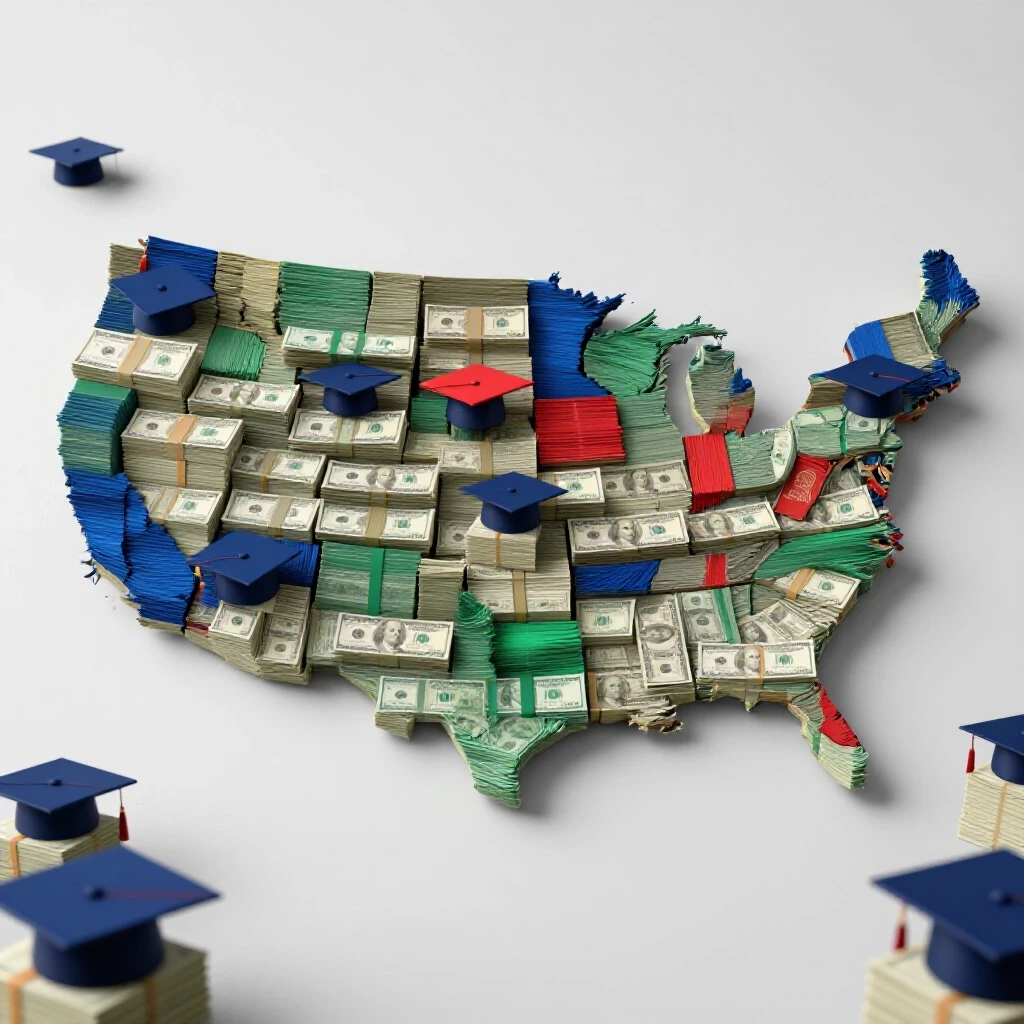
Let’s dive into the complex world of teacher salaries, especially for those with master’s degrees, and see what the future holds for 2025.
Section 1: Overview of Teacher Salaries
1. National Averages and Trends
Alright, let’s talk numbers.
As of 2023, the national average salary for teachers with a bachelor’s degree hovered around $68,457 according to the National Education Association (NEA).
But what about those who’ve invested in a master’s degree?
Typically, a master’s degree bumps up the salary, but the increase varies wildly from state to state.
The NEA estimates that teachers with a master’s earn an average of $7,000 more per year than those with a bachelor’s.
But here’s the kicker: teacher salaries haven’t always kept pace with inflation or other professions requiring similar education levels.
Over the past few decades, we’ve seen periods of growth, but also periods of stagnation, especially after economic downturns.
2. The Role of Advanced Degrees
So, is a master’s degree worth it for a teacher?
Well, besides the potential salary bump, it often leads to better job security, increased opportunities for leadership roles, and a deeper understanding of pedagogy.
According to the National Center for Education Statistics (NCES), about 60% of public school teachers hold a master’s degree or higher.
This shows a real commitment to professional development.
But here’s the thing: that investment in education doesn’t always translate into a significant financial return, which is a big problem.
Section 2: State-by-State Analysis of Teacher Salaries
1. Top-Paying States
Let’s talk about the states where teachers are valued (at least financially).
As of 2023, New York, California, and Massachusetts consistently rank among the top-paying states for teachers with master’s degrees.
In New York, for example, the average salary for a teacher with a master’s can exceed $85,000.
However, keep in mind that the cost of living in these states is often very high.
2. Lowest-Paying States
Now, let’s flip the coin.
States like Mississippi, West Virginia, and Oklahoma often find themselves at the bottom of the list.
In these states, even with a master’s degree, teachers might struggle to earn more than $50,000 annually.
Why the disparity? Budget constraints, state funding formulas that favor certain districts, and political factors all play a role.
3. Regional Variations
It’s not just state-by-state; it’s also about urban versus rural.
Teachers in urban districts often earn more due to higher costs of living and greater demand.
Rural districts, however, often struggle to attract and retain qualified teachers, leading to acute shortages.
For example, I once worked with a school district in rural Arkansas where they were offering signing bonuses just to get teachers to apply.
It was a clear sign of desperation.
Section 3: The Critical Shortage of Teachers
1. Current Statistics and Projections
Okay, let’s get serious about the teacher shortage. The Learning Policy Institute projects that the U.S.
will face a shortage of over 300,000 teachers by 2025.
That’s a staggering number!
And it’s not just any teachers; it’s particularly acute in STEM fields (science, technology, engineering, and mathematics), special education, and bilingual education.
These are critical areas where we need highly qualified professionals.
2. Impact of Low Salaries on Recruitment and Retention
So, why are teachers leaving the profession? Inadequate salaries are a major factor.
I’ve talked to countless teachers who’ve left the classroom because they simply couldn’t afford to stay.
One teacher, Sarah, told me, “I loved teaching, but I was working a second job just to pay the bills.
It wasn’t sustainable.” Stories like Sarah’s are all too common, and they highlight the emotional toll that financial stress takes on educators.
3. Comparison with Other Professions
Let’s be real: teachers are underpaid compared to other professions requiring similar levels of education and expertise.
A software engineer with a bachelor’s degree can easily earn six figures straight out of college, while a teacher with a master’s might struggle to break $60,000.
Societal perceptions also play a role.
Teaching is often seen as a “labor of love,” which, while true, shouldn’t justify undervaluing the profession.
Section 4: Future Considerations in Teacher Compensation
1. Legislative Actions and Proposals
There’s some good news on the horizon.
Several states are taking legislative action to increase teacher salaries.
For example, Arizona recently passed a bill to increase teacher pay by 20% over three years.
Teacher unions and advocacy groups are also playing a crucial role, pushing for better compensation packages and improved working conditions.
2. Potential Solutions to Address the Shortage
What else can be done? Innovative compensation models are being explored in some districts. Performance-based pay, while controversial, is one option. Loan forgiveness programs for teachers are another promising approach.
Addressing salary disparities could lead to a more robust and diverse teaching workforce.
When teachers feel valued and supported, they’re more likely to stay in the profession and inspire the next generation.
3. The Role of Technology and Online Learning
The rise of online education is also influencing teacher salaries and job availability.
Remote teaching has opened up new opportunities for some teachers, but it also raises questions about salary structures and teacher retention in the long run.
Will online teachers be paid the same as their in-person counterparts?
Will the demand for online teachers increase or decrease in the future?
These are questions we need to consider.
Conclusion: The Future of Education and Teacher Salaries
Let’s come full circle. Remember Ms. Johnson and Mr. Davis?
They represent the countless dedicated educators who pour their hearts and souls into shaping young minds.
Investing in teacher salaries isn’t just a financial issue; it’s a moral imperative.
It affects the quality of education and the future of our children.
We need collective action to ensure that teachers are valued and adequately compensated for their essential role in society.
Addressing the critical shortage of educators is crucial to fostering a thriving educational environment for generations to come.
Let’s make sure that the heartbeat of education continues to beat strong.