Sports Science Degree: What Next? (Career Paths!)
It’s like finding your tribe – people who get as excited as you do about the human body, athletic performance, and the cool science behind it all.
For many, it’s a comfort zone. A place where passion for fitness, health, and sports meets academic curiosity. But what happens after graduation? Let’s explore!
Section 1: Overview of a Sports Science Degree
So, what exactly is a Sports Science degree?
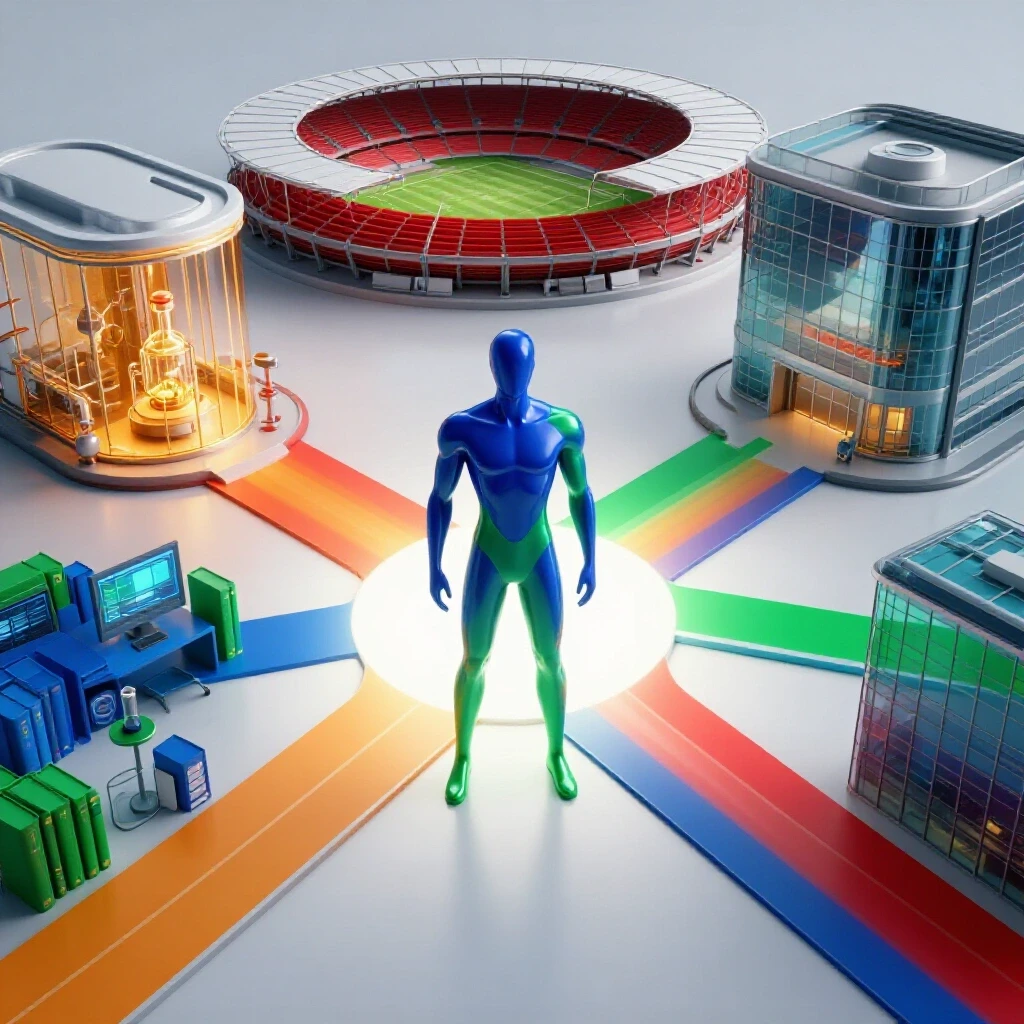
Think of it as a deep dive into how the human body moves, reacts, and adapts to exercise and sports.
We’re talking core subjects like:
- Anatomy: Understanding the body’s structure.
- Physiology: How the body functions.
- Biomechanics: The physics of movement.
- Sports Psychology: The mental side of performance.
- Nutrition: Fueling the body for optimal results.
Plus, there’s a ton of practical stuff. Labs, fieldwork, maybe even internships where you get to apply what you’re learning in real-world settings.
Skills You’ll Develop:
It’s not just about memorizing facts. A Sports Science degree hones your:
- Critical Thinking: Analyzing complex problems.
- Analytical Skills: Interpreting data and research.
- Problem-Solving: Finding creative solutions.
- Communication: Explaining concepts clearly.
- Understanding of Physical Health: A solid foundation for promoting well-being.
Why It’s Popular:
With our society becoming increasingly health-conscious, Sports Science is booming! People are realizing the importance of exercise, nutrition, and overall well-being.
This translates to more opportunities for those of us with the knowledge and skills to make a difference.
Section 2: The Value of a Sports Science Degree
Okay, so you’ve got the degree. But what’s it worth?
A lot, actually! It’s not just a piece of paper; it’s a launchpad for personal and professional growth.
Personal Development:
You’ll gain a deep understanding of your own body and how to optimize your health. This knowledge empowers you to make informed decisions about your fitness, nutrition, and lifestyle.
Professional Development:
A Sports Science degree prepares you for a wide range of roles in the health, fitness, and sports industries.
Think about it: fitness trainers, coaches, rehabilitation specialists, sports nutritionists… the list goes on!
Job Market Outlook:
The job market for sports science professionals is looking pretty good. According to the U.S. Bureau of Labor Statistics, employment of exercise physiologists, for example, is projected to grow 11 percent from 2022 to 2032, much faster than the average for all occupations.
This growth is driven by an aging population and increasing awareness of the benefits of exercise for preventing and managing chronic diseases.
Salary Expectations:
Salaries can vary depending on the specific role, experience, and location. However, a Sports Science degree generally provides a solid foundation for a comfortable and rewarding career.
Section 3: Immediate Career Paths Post-Degree
Alright, let’s get down to the nitty-gritty. What can you actually do with a Sports Science degree right after graduation?
Here are some common paths:
-
Fitness Trainer/Instructor:
This is a classic option. You could work in a gym, fitness studio, or even start your own personal training business.
You’d be helping people achieve their fitness goals, whether it’s weight loss, muscle gain, or improved overall health.
- Personal Training: One-on-one sessions tailored to individual needs.
- Group Classes: Leading classes like Zumba, Spin, or HIIT.
- Corporate Fitness: Providing fitness programs for employees in companies.
-
Sports Coach:
If you’re passionate about a particular sport, coaching could be your calling. You could coach at various levels, from youth leagues to high school teams.
It’s about more than just teaching skills; it’s about mentoring athletes and helping them develop their potential.
-
Rehabilitation Specialist:
This involves working with athletes who have been injured. You’d help them recover and return to their sport safely.
It’s a rewarding field that requires a deep understanding of anatomy, physiology, and injury management.
-
Exercise Physiologist:
Exercise physiologists assess, plan, and implement exercise programs for individuals with chronic diseases or disabilities.
They work in hospitals, clinics, and rehabilitation centers, helping people improve their health and quality of life through exercise.
Section 4: Advanced Career Opportunities
Want to take your Sports Science career to the next level? Further education and specialization can open doors to some pretty cool opportunities.
-
Sports Nutritionist:
Nutrition is a huge factor in athletic performance. Sports nutritionists work with athletes to develop personalized nutrition plans that optimize their energy levels, recovery, and overall health.
With a growing understanding of the importance of nutrition, this field is becoming increasingly in demand.
-
Sports Psychologist:
The mental side of sports is just as important as the physical side. Sports psychologists help athletes develop mental skills like focus, confidence, and resilience.
They work with individuals and teams to improve performance and overcome mental barriers.
-
Sports Management Professional:
If you’re interested in the business side of sports, sports management could be a good fit. You could work in marketing, finance, or administration for sports teams, organizations, or facilities.
-
Research Scientist:
Love research? You could contribute to the advancement of sports science by conducting research on topics like exercise physiology, biomechanics, or sports nutrition.
This often involves working in a university or research institute.
Section 5: Emerging Trends in Sports Science Careers
The world of Sports Science is constantly evolving. Here are some emerging trends and career paths to watch out for:
-
Technology Integration:
Wearable tech, performance analytics, virtual reality… technology is revolutionizing sports.
Careers in sports technology are booming, with opportunities in data analysis, software development, and product design.
-
Health and Wellness Coaching:
There’s a growing shift towards holistic health approaches. Health and wellness coaches help people make sustainable lifestyle changes to improve their overall well-being.
This often involves addressing multiple aspects of health, including exercise, nutrition, stress management, and sleep.
-
E-Sports and Gaming Fitness:
Competitive gaming is a serious business, and e-sports athletes need to be in top physical condition.
Fitness professionals are increasingly working with e-sports teams to improve their players’ performance, prevent injuries, and promote overall health.
-
Corporate Wellness Programs:
Businesses are realizing that healthy employees are more productive and engaged.
Corporate wellness programs are becoming increasingly common, creating opportunities for sports science professionals to design and implement fitness and wellness initiatives in the workplace.
Section 6: Further Education and Specializations
Want to specialize even further? Here are some options for further education:
-
Master’s Programs:
A master’s degree can provide you with advanced knowledge and skills in a specific area of sports science, such as exercise physiology, biomechanics, or sports nutrition.
-
Certifications:
There are numerous certifications available in areas like personal training, strength and conditioning, and sports nutrition.
These certifications can enhance your credibility and demonstrate your expertise to potential employers.
-
Workshops:
Attending workshops and conferences is a great way to stay up-to-date on the latest research and trends in sports science.
It’s also a good opportunity to network with other professionals in the field.
Notable Institutions:
- Loughborough University (UK): Consistently ranked among the top sports universities in the world.
- Australian Institute of Sport (Australia): A world- renowned training facility and research center.
- University of Oregon (USA): Known for its strong sports science programs and facilities.
Section 7: Real-Life Success Stories
Let’s get inspired! Here are a few examples of people who have rocked their Sports Science degrees:
-
Sarah, the Sports Nutritionist:
“I always loved food and fitness. My Sports Science degree gave me the foundation I needed to become a registered dietitian and specialize in sports nutrition. Now, I work with elite athletes to optimize their performance through personalized nutrition plans.”
-
Mark, the Strength and Conditioning Coach:
“I was a competitive athlete myself, and I wanted to help other athletes reach their full potential. My Sports Science degree, combined with a certification in strength and conditioning, allowed me to work with a professional sports team. It’s incredibly rewarding to see my athletes succeed.”
-
Emily, the Corporate Wellness Consultant:
“I realized that many people struggle to prioritize their health and well-being in the workplace. I used my Sports Science knowledge to develop and implement corporate wellness programs that help employees improve their fitness, nutrition, and stress management. It’s making a real difference in their lives.”
Conclusion: Embracing the Journey Ahead
So, there you have it! A Sports Science degree is more than just a piece of paper. It’s a ticket to a world of exciting possibilities.
While the comfort of knowledge and skills is great, the real adventure begins when you step out and explore your own path.
The field is dynamic, ever-changing, and full of opportunities for those who are passionate and driven. Embrace the journey, stay curious, and never stop learning!
Call to Action:
Take a moment to reflect on your own interests and career aspirations within the field of Sports Science. What are you most passionate about? What kind of impact do you want to make?
Now, take the next step towards your future! Whether it’s exploring different career paths, pursuing further education, or networking with professionals in the field, start taking action today. Your dream career in Sports Science is waiting for you!