Psych Degree: Creative Career Paths (Think Outside the Box!)
Ever imagined your psychology degree leading you to design video games, curate art exhibits, or advise tech startups?
Most people think “therapist” when they hear “psychology,” but that’s just scratching the surface.
Trust me, as an educational counselor, I’ve seen firsthand how a psych degree can open doors to the most unexpected, and frankly, cool, careers.
Thesis Statement: While the traditional path might lead to therapy or counseling, a psychology degree unlocks a universe of unconventional career opportunities, using psychological principles in innovative and exciting ways.
1. The Evolution of Psychology as a Discipline
Psychology hasn’t always been what it is today.
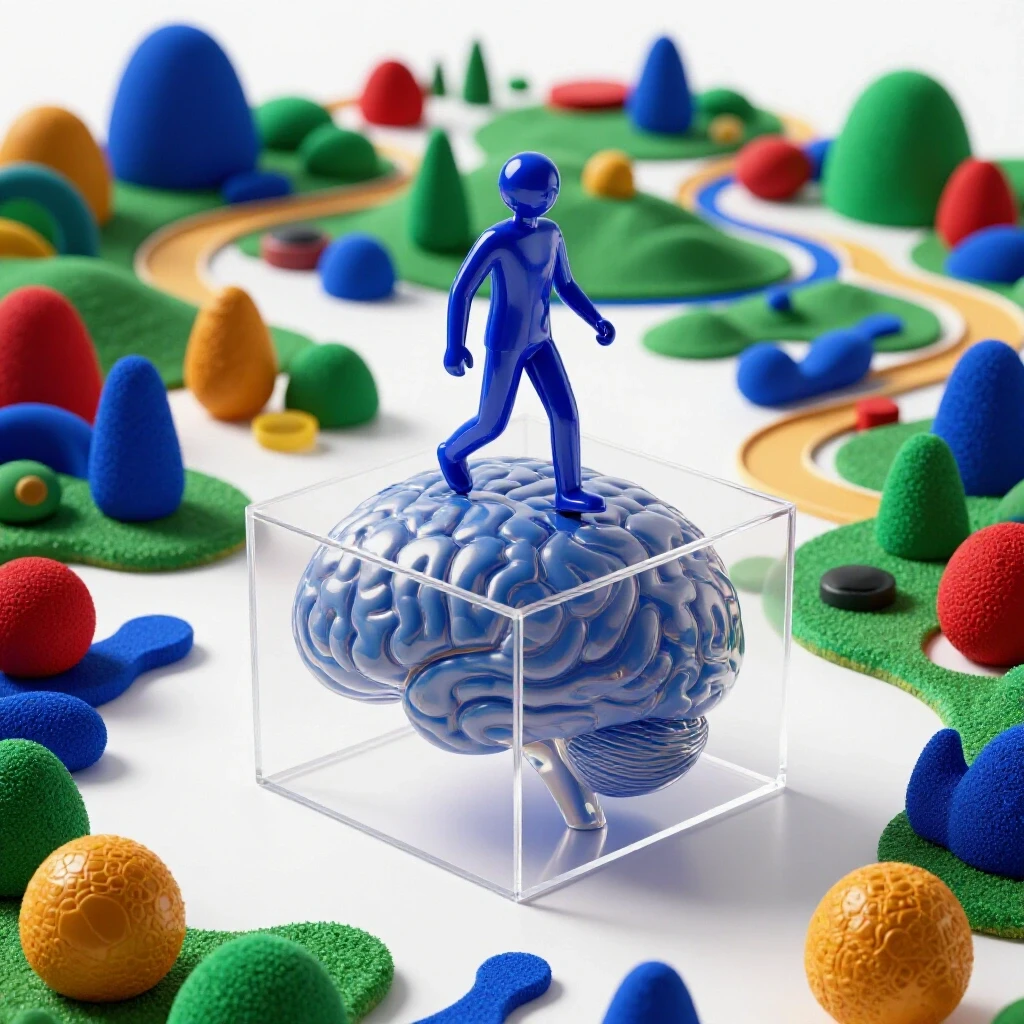
It started as a branch of philosophy, with folks like Wilhelm Wundt (often called the “father of psychology”) setting up the first psychology lab in 1879.
Think about it: from debating the nature of consciousness to running experiments on human behavior, psychology has transformed into a multi-faceted field.
Over the years, the perception of psychology has shifted dramatically. It’s no longer just about Freud and couches!
It’s integrated into almost every industry, from tech to marketing to healthcare. Companies now value understanding the human mind.
2. Understanding the Skills Acquired with a Psych Degree
So, what exactly do you learn with a psychology degree?
It’s not just memorizing theories! You gain a powerful toolkit of transferable skills.
Critical Thinking: You learn to analyze information, evaluate arguments, and form your own conclusions.This is vital in any field.
Communication: Psychology teaches you how to actively listen, empathize, and communicate effectively with diverse audiences.
Analytical Skills: You develop the ability to interpret data, identify patterns, and solve problems using a scientific approach.
Understanding Human Behavior: This is the big one! You gain insights into why people think, feel, and act the way they do. This knowledge is invaluable in understanding motivation, decision-making, and social interactions.
These skills aren’t just for therapists.
They’re applicable in fields you might not even have considered.
Let’s dive into some creative career paths.
3. Creative Career Paths for Psych Graduates
A. Marketing and Advertising
Ever wonder why certain ads grab your attention while others fade into the background? Psychology plays a huge role.
Psychological principles can heavily influence consumer behavior and marketing strategies.
Understanding what motivates people, what triggers their emotions, and how they make decisions is marketing gold.
Roles to consider:
Consumer Psychologist: These professionals conduct research to understand consumer preferences, attitudes, and buying habits. They use this knowledge to help companies develop effective marketing campaigns.
Brand Strategist: Brand strategists use psychological insights to build strong brand identities that resonate with target audiences. They focus on creating emotional connections between consumers and brands.
Market Researcher: Market researchers design and conduct studies to gather data on consumer behavior and market trends. They analyze this data to provide insights that inform marketing decisions.
I remember talking to Sarah, a former student who now works as a brand strategist for a major sportswear company.
She told me, “My psychology background is invaluable.
I understand how to create a brand narrative that resonates with our target audience on an emotional level.
It’s not just about selling shoes; it’s about selling a feeling.”
B. User Experience (UX) Design
Think about your favorite apps or websites. What makes them so easy and enjoyable to use?
Chances are, a UX designer with a background in psychology was involved.
UX design is all about creating products and interfaces that are user-friendly, efficient, and satisfying.
Understanding user behavior is critical.
It’s about anticipating their needs, understanding their motivations, and designing experiences that are intuitive and enjoyable.
It’s a blend of psychology with technology.
Roles to consider:
UX Researcher: UX researchers conduct user interviews, usability testing, and other research methods to understand user needs and behaviors. They use this knowledge to inform design decisions.
UX Designer: UX designers use research insights to create wireframes, prototypes, and user interfaces that are both functional and aesthetically pleasing. They focus on creating seamless and enjoyable user experiences.
I spoke with David, a UX designer at a tech startup, who emphasized the importance of empathy.
“My psychology background helps me put myself in the user’s shoes.
I can anticipate their frustrations and design solutions that make their lives easier.
It’s incredibly rewarding.”
C. Art Therapy and Creative Arts
Psychology isn’t just about numbers and data. It can also be incredibly creative.
Art therapy uses the creative process to improve mental and emotional well-being.
It’s a powerful way to explore emotions, reduce stress, and improve self-esteem. But it’s not just limited to therapy.
Understanding psychological principles can enhance creativity and emotional expression in various artistic fields.
Think about curating art exhibits that evoke specific emotions or using art to promote social change.
Roles to consider:
Art Therapist: Art therapists use art-making techniques to help clients explore their emotions, resolve conflicts, and improve their mental and emotional well-being.
Gallery Curator: Curators with a psychology background can create exhibits that are not only aesthetically pleasing but also emotionally engaging and thought-provoking.
Creative Arts Facilitator: These professionals lead workshops and programs that use creative arts to promote self-expression, personal growth, and community building.
I had a fascinating conversation with Maria, an art therapist who works with children who have experienced trauma.
She explained, “Art provides a safe and non-threatening way for children to express their emotions and process their experiences.
It’s amazing to see how art can help them heal.”
D. Corporate Training and Development
Companies are increasingly recognizing the importance of employee well-being and development. That’s where psychology comes in.
Psychologists can shape corporate culture, improve team dynamics, and enhance employee well-being.
They can design and implement training programs that improve communication, leadership skills, and overall job satisfaction.
Roles to consider:
Organizational Development Consultant: These consultants work with organizations to improve their effectiveness by addressing issues such as communication, teamwork, and leadership.
Training Specialist: Training specialists design and deliver training programs to improve employee skills and knowledge. They use psychological principles to create engaging and effective learning experiences.
Human Resources Manager: HR managers with a psychology background can create a more supportive and employee-centric work environment. They understand how to motivate employees, resolve conflicts, and promote a positive work culture.
I spoke with John, an organizational development consultant who helps companies create more inclusive and equitable workplaces.
He said, “My psychology background helps me understand the dynamics of power and privilege in organizations.
I can use this knowledge to design interventions that promote diversity, equity, and inclusion.”
E. Game Design and Development
Believe it or not, psychology is essential in creating engaging and immersive gaming experiences.
Game designers use psychological principles to understand what motivates players, what keeps them engaged, and what makes a game fun.
It’s about creating challenges that are just difficult enough to be rewarding, designing characters that players can connect with, and creating narratives that are emotionally compelling.
Roles to consider:
Game Designer: Game designers use psychological principles to create engaging and immersive gaming experiences. They design game mechanics, narratives, and characters that appeal to players’ motivations and emotions.
User Researcher (Gaming): These researchers conduct user testing and gather data on player behavior to inform game design decisions. They use psychological methods to understand how players interact with the game and what makes it enjoyable.
Narrative Designer: Narrative designers create the storylines, characters, and dialogue that drive the game’s plot. They use psychological principles to create compelling narratives that resonate with players.
I talked with Emily, a game designer who specializes in creating educational games.
She told me, “My psychology background helps me design games that are not only fun but also effective at teaching kids important concepts.
I understand how to motivate them, keep them engaged, and help them learn.”
F. Social Innovation and Nonprofit Work
If you’re passionate about making a difference in the world, a psychology degree can be a powerful tool.
Psychology graduates can contribute to social change via nonprofits, community organizations, or social enterprises.
They can develop and implement programs that address social issues such as poverty, inequality, and mental health.
They can also work to advocate for policy changes that promote social justice.
Roles to consider:
Program Developer: Program developers design and implement programs that address social issues such as poverty, inequality, and mental health. They use psychological principles to create effective and sustainable programs.
Community Outreach Coordinator: These coordinators work to connect community members with resources and services. They use their understanding of human behavior to build relationships and promote community engagement.
Impact Assessment Specialist: These specialists evaluate the effectiveness of social programs and interventions. They use research methods to measure the impact of these programs and identify areas for improvement.
I spoke with Michael, who works for a nonprofit that provides mental health services to underserved communities.
He said, “My psychology background helps me understand the challenges that people in these communities face.
I can use this knowledge to develop programs that are culturally sensitive and effective at meeting their needs.”
4. The Future of Psychology Careers in 2025
What does the future hold for psychology graduates?
The job market is constantly evolving, and it’s important to stay ahead of the curve.
Here are some emerging trends that could affect psychology careers in 2025:
Increased Demand for Mental Health Services: The COVID-19 pandemic has highlighted the importance of mental health, and there is likely to be an Increased Demand for mental health services in the coming years.
Growing Emphasis on Data Analytics: Data analytics is becoming increasingly important in all fields, including psychology. Psychology graduates who have skills in data analysis will be in high demand.
Rise of Teletherapy: Teletherapy is becoming increasingly popular, and it is likely to become a more common way of delivering mental health services in the future.
To thrive in the future job market, psychology graduates need to be adaptable, embrace continuous learning, and cultivate interdisciplinary collaboration.
It’s about combining your psychological knowledge with other skills, such as technology, data analytics, or business, to create unique and valuable career paths.
5. Real-life Success Stories
Let’s get inspired!
Here are a few examples of individuals with psychology degrees who have forged unique and successful career paths:
Dr. Jennifer Eberhardt: A social psychologist who studies the effects of racial bias in criminal justice. Her research has been used to inform policy changes and improve police training.
Adam Grant: An organizational psychologist who studies motivation, leadership, and teamwork.He is a bestselling author and a popular speaker.
Susan Cain: An author and speaker who advocates for the power of introverts. Her book, “Quiet: The Power of Introverts in a World That Can’t Stop Talking,” has been translated into over 40 languages.
These individuals demonstrate the limitless possibilities for psychology graduates who are willing to think outside the box and use their skills to make a difference in the world.
6. Networking and Professional Development
Building a professional network, seeking mentorship, and engaging in continuous education are crucial for career success.
Here are some tips for networking and professional development:
Join professional organizations: Organizations like the American Psychological Association (APA) offer networking opportunities, professional development resources, and access to job boards.
Attend workshops and conferences: Workshops and conferences are a great way to learn new skills, meet other professionals in your field, and stay up-to-date on the latest trends.
Seek mentorship: Find a mentor who can provide guidance, support, and advice as you navigate your career path.
Volunteer: Volunteering is a great way to gain experience, build your network, and give back to your community.
7. Conclusion
So, there you have it!
A psychology degree is so much more than just a path to becoming a therapist.
It’s a gateway to a world of creative, innovative, and impactful career opportunities.
The possibilities are truly limitless for those willing to think outside the box.
Embrace your unique skills and interests, explore unconventional paths, and don’t be afraid to forge your own way.
The world needs your psychological insights!