Princeton Online: Degrees Available? (*Ivy League Edge*)
Online education is booming, and even prestigious institutions like Princeton University are getting in on the action.
Let’s dive into what Princeton Online has to offer for 2025, and explore that unique “Ivy League edge” it brings to the table.
We’ll cover everything from available degrees to networking opportunities, and how Princeton maintains its high standards in the digital realm.
Section 1: Overview of Princeton University
So, Princeton, right? It’s not just a name; it’s practically synonymous with academic excellence.
Founded way back in 1746, it’s one of the oldest universities in the United States.
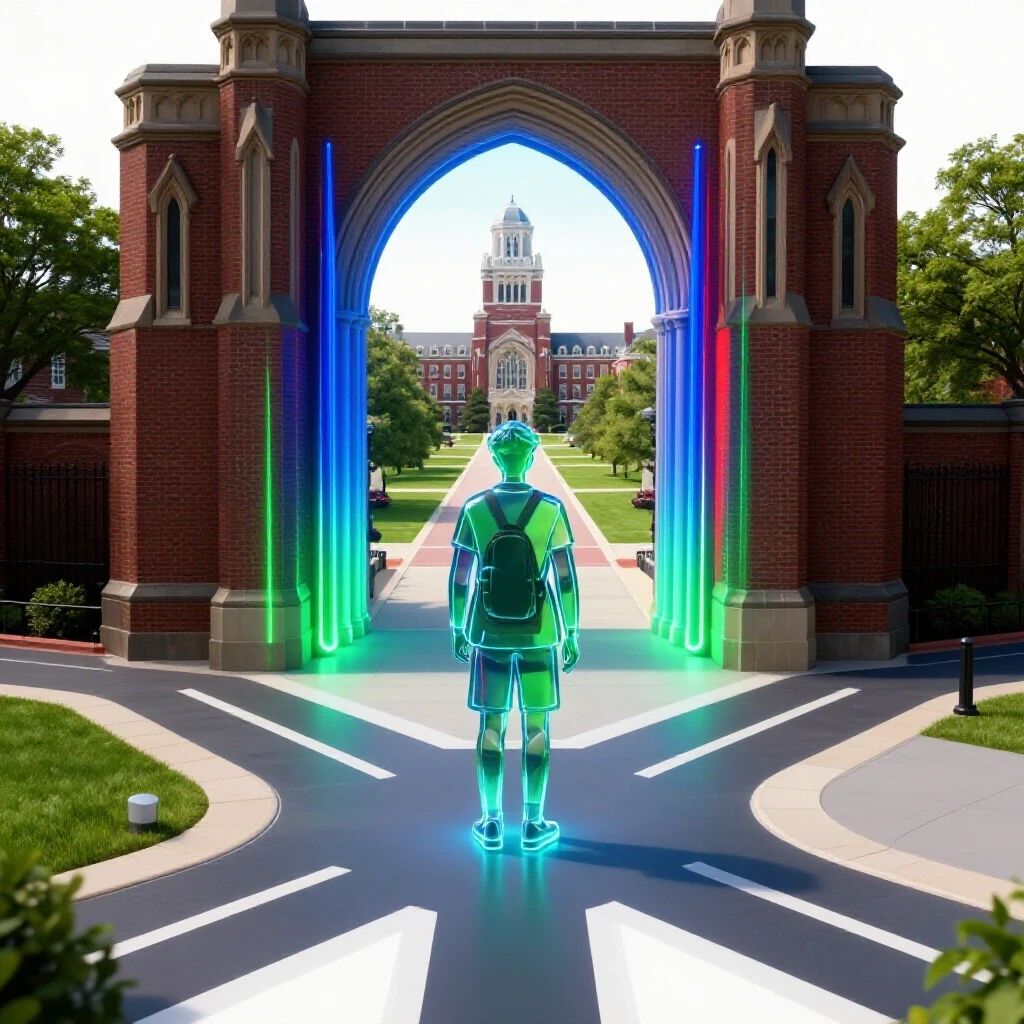
Its mission has always been about fostering leaders and pushing the boundaries of knowledge.
Princeton consistently ranks among the top universities globally, and that reputation carries weight, even in its online programs.
This commitment to academic excellence, research, and community engagement is baked into everything they do, whether it’s on-campus or online.
Princeton’s philosophy is rooted in the idea that education should be transformative, not just transactional.
It’s about shaping well-rounded individuals who can make a real difference in the world.
Section 2: The Rise of Online Education
Let’s face it: online education is no longer the “future” – it’s the present.
The COVID-19 pandemic really accelerated its growth.
People realized they could learn valuable skills and even earn degrees from the comfort of their homes.
Even before the pandemic, the trend was upward.
According to a report by Research and Markets, the global e-learning market is projected to reach \$325 billion by 2025.
That’s massive!
Traditional institutions, including Ivy League schools, have had to adapt.
They’ve realized that online learning isn’t just a fad; it’s a viable alternative that can reach a wider audience.
One of the biggest benefits of online education is accessibility.
It opens doors for people who might not otherwise have the opportunity to attend a top-tier university.
Think about working professionals, parents, or individuals living in remote areas. Online programs can be a game-changer for them.
Of course, there are challenges too.
Engagement can be tougher in an online environment, and ensuring inclusivity for students with different learning styles requires careful planning.
Section 3: Princeton’s Online Degree Offerings
Alright, let’s get down to brass tacks. What specific online degrees does Princeton offer?
While Princeton doesn’t offer full undergraduate degrees online, they do have a range of graduate and certificate programs.
These are designed to cater to professionals looking to upskill or advance their careers.
Here’s a breakdown:
Graduate Programs: Princeton offers a select number of online graduate courses through its various departments.
These might include courses in engineering, public policy, or data science.
These courses are generally offered as part of an on-campus program, but with an option to attend remotely.Certificate Programs: This is where Princeton Online really shines.
They have a variety of professional certificate programs designed to help you gain specific skills in a short amount of time.-
Finance: Princeton does offer a finance-related online program called the Princeton Certificate in Finance.
-
leadership and management: While not a degree-granting program, Princeton offers various executive education programs that focus on leadership and management skills.
-
Data Science and Analytics: Given the growing demand for data professionals, Princeton offers online certificate programs in Data Science and analytics.
-
These programs cover a broad range of academic fields, including humanities, social sciences, natural sciences, and professional studies.
One thing that sets Princeton apart is its commitment to innovative program design.
They’re not just slapping existing courses online; they’re carefully crafting learning experiences that are tailored to the online environment.
Course structure varies depending on the program.
Some courses are synchronous, meaning you’ll attend live lectures and participate in real-time discussions.
Others are asynchronous, allowing you to learn at your own pace through pre-recorded videos and online forums.
The duration of these programs also varies.
Certificate programs might last a few months, while graduate programs can take a couple of years to complete.
Section 4: The Ivy League Edge: Advantages of Princeton Online
Okay, let’s talk about that “Ivy League edge.” What does it really mean, and how does it translate to the online world?
First and foremost, it’s about the brand.
A degree from Princeton carries weight in the job market.
Employers recognize the rigor and quality of a Princeton education, and that can give you a leg up when you’re applying for jobs.
According to a recent survey by The Princeton Review, 85% of employers said that the reputation of a university is “important” or “very important” when evaluating job candidates.
But it’s not just about the name. It’s also about the network.
Princeton has a vast and influential alumni network that spans industries and continents.
As an online student, you’ll have access to this network, which can open doors to internships, mentorship opportunities, and job prospects.
Princeton’s faculty are also a major draw.
These are world-renowned experts in their fields, and they’re committed to providing students with a top-notch education, whether it’s in person or online.
They use cutting-edge technology and pedagogical approaches to ensure that online students receive the same high-quality instruction as their on-campus counterparts.
Let’s be real: an Ivy League education isn’t cheap. But it’s an investment in your future.
The potential return on investment (ROI) can be significant, especially if you’re looking to advance your career or switch to a higher-paying field.
Section 5: Student Experience and Support Services
So, what’s it like to be an online student at Princeton?
Is it just a bunch of lectures on a screen, or is there more to it?
Princeton puts a lot of emphasis on creating a sense of community among its online students.
They organize virtual events, discussion forums, and group projects to foster collaboration and engagement.
They also provide a range of support services to help online students succeed. This includes:
-
Academic Advising: You’ll have access to an academic advisor who can help you choose the right courses, develop a study plan, and navigate the challenges of online learning.
-
Technical Support: If you’re having trouble with the online learning platform or any other technical issues, Princeton’s IT support team is available to help.
-
Mental Health Resources: Online learning can be isolating, so Princeton offers mental health resources to help students manage stress, anxiety, and other challenges.
I recently spoke with a former student, let’s call her Sarah, who completed a certificate program in Data Science online.
Sarah shared, “I was initially hesitant about online learning, but Princeton really exceeded my expectations.
The professors were engaging, the course materials were top-notch, and I felt like I was part of a real community.
The career services team helped me land a great job after graduation.”
Section 6: Future of Online Education at Princeton
What does the future hold for online education at Princeton?
I think we’re going to see even more growth and innovation in the years to come.
Princeton is likely to expand its online offerings, adding new degree programs and certificate programs in high-demand fields.
We’re also likely to see advancements in technology that enhance the online learning experience.
Think virtual reality, augmented reality, and artificial intelligence.
These technologies could create more immersive and interactive learning environments, making online education even more engaging and effective.
Princeton will need to balance its commitment to academic excellence with the need to adapt to the changing landscape of higher education.
This means finding new ways to deliver high-quality instruction online, while maintaining the rigor and prestige that are hallmarks of the Princeton brand.
While Princeton doesn’t offer full undergraduate degrees online, its graduate and certificate programs provide a valuable opportunity to gain skills and knowledge from one of the world’s leading universities.
The “Ivy League edge” is real.
It’s about the brand, the network, the faculty, and the overall quality of the education.
In an increasingly competitive job market, a degree from Princeton can give you a significant advantage.
As online education continues to evolve, I believe that institutions like Princeton will play a key role in shaping the future of learning.
They have the resources, the expertise, and the commitment to excellence to deliver high-quality online education that transforms lives and careers.
So, if you’re considering an online degree, Princeton is definitely worth a look.
It’s an investment in your future that could pay off in big ways.