Piano Pedagogy Online (Teach From Home!)
The shift to online learning, especially after the pandemic hit, was a whirlwind.
I remember countless piano teachers, myself included, scrambling to adapt.
We were suddenly faced with a whole new set of challenges.
It wasn’t just about knowing how to play the piano.
It was about knowing how to teach it through a screen.
Many of us felt lost. We lacked the technical know-how.
Engaging students through a screen felt like an uphill battle.
The online tools felt limited compared to the hands-on experience of in-person lessons.
According to a 2020 survey by the Music Teachers National Association (MTNA), over 75% of piano teachers had to switch to online teaching within a matter of weeks.

And a significant portion of them reported feeling unprepared for this transition.
This rapid shift highlighted the urgent need for a revamp in piano pedagogy.
It had to be one that embraced the digital age.
The good news? We’re learning and adapting. Piano pedagogy is evolving, and the future looks bright.
Let’s dive into how we got here and where we’re headed.
Section 1: The Evolution of Piano Pedagogy
From Classical to Contemporary: A Historical Overview
Piano pedagogy has come a long way. Traditionally, piano teaching methods were rooted in classical approaches.
Think Czerny exercises, scales, and strict adherence to the score.
The focus was often on technique and accuracy.
Over time, these methods began to evolve. Teachers started incorporating more contemporary approaches. These included improvisation, composition, and exploration of different genres. Think jazz, pop, and even film scores.
Technology slowly crept into the mix. Metronomes became digital. Sheet music became available online. But the core of piano teaching remained largely unchanged. It was still primarily a face-to-face experience.
The Pandemic Pivot: A Rapid Shift Online
Then came COVID-19. Suddenly, in-person lessons were off the table. Piano teachers had to adapt, and fast.
We had to learn how to teach effectively through a screen.
This meant embracing new tools and techniques.
The shift was jarring.
Many teachers struggled to maintain the same level of engagement and connection with their students.
The lack of physical interaction made it difficult to correct posture or demonstrate techniques.
But necessity is the mother of invention. We started exploring new ways to teach. We experimented with different online platforms and resources. And slowly, we began to find our footing.
Online Tools: Transforming the Landscape
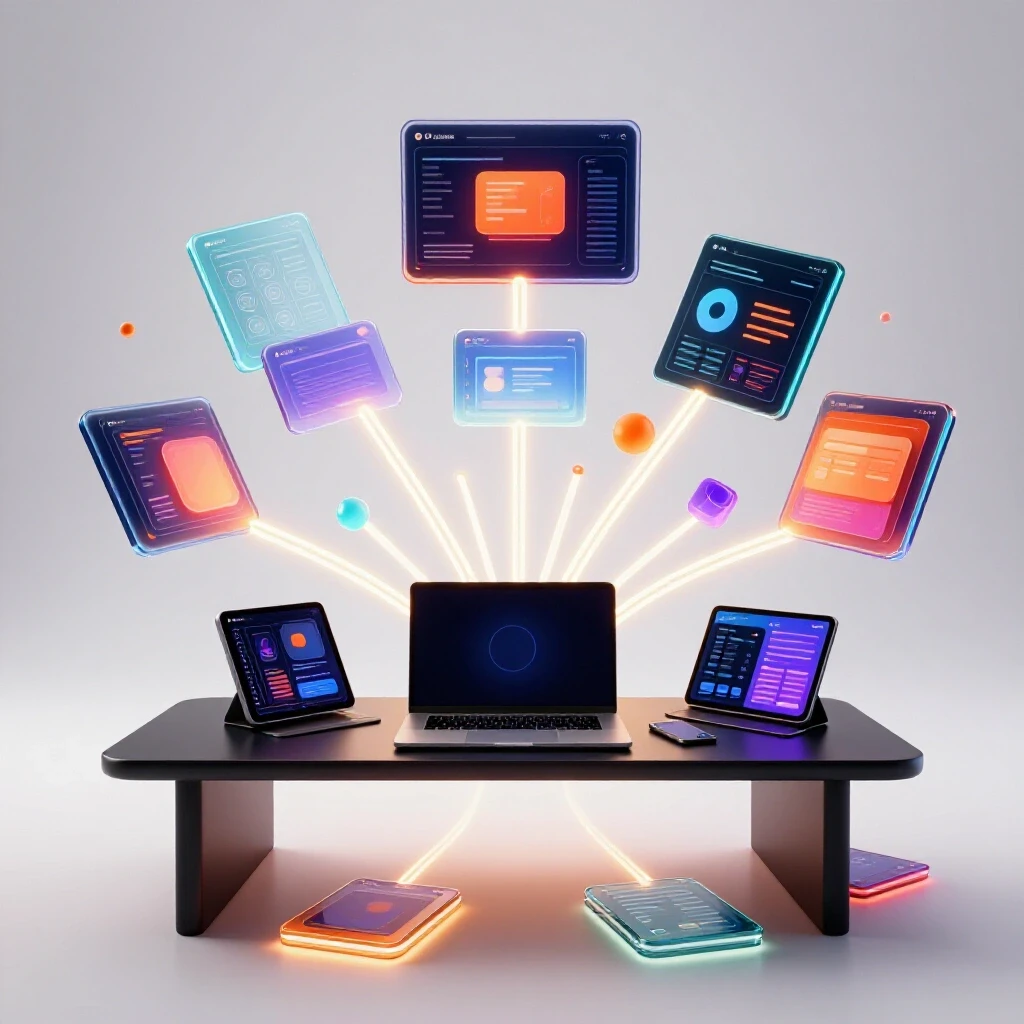
The pandemic accelerated the development and adoption of online teaching tools.
Platforms like Zoom, Skype, and Google Meet became essential.
We also started using specialized software designed for music education.
Interactive apps like Flowkey and Simply Piano gained popularity. These apps offer gamified lessons and real-time feedback.
Online sheet music resources like Musicnotes and IMSLP became invaluable.
Video tutorials on YouTube and other platforms provided additional learning resources.
Teachers started creating their own videos to supplement lessons. The digital landscape transformed how piano lessons were delivered.
Section 2: Advantages of Online Piano Teaching
Flexibility and Reach: Expanding Horizons
One of the biggest advantages of online piano teaching is flexibility.
Teachers can set their own schedules and work from anywhere with an internet connection.
Students can learn from the comfort of their own homes.
This flexibility opens up opportunities for both teachers and students.
Teachers can reach a wider audience, no longer limited by geographical boundaries.
Students can learn from teachers who specialize in their preferred genres or styles.
I’ve personally seen my student base expand significantly since I started teaching online.
I now have students from different countries and time zones.
This wouldn’t have been possible with traditional in-person lessons.
Accessibility: Breaking Down Barriers
Online learning also makes piano lessons more accessible.
Students with disabilities or those living in remote areas can now participate.
Transportation costs and time constraints are no longer barriers.
For students with mobility issues, online lessons can be a game-changer.
They can learn from the comfort of their own homes, without having to worry about traveling to a teacher’s studio.
Online lessons can also be a lifeline for students in rural areas.
They may not have access to qualified piano teachers in their local communities.
Online learning bridges this gap.
Community Building: Virtual Connections
Online platforms can also foster a sense of community.
Virtual recitals and group classes allow students to connect with each other.
They can share their progress, offer encouragement, and learn from one another.
I organize monthly virtual recitals for my students.
It’s a great way for them to showcase their skills and build confidence.
They also get to see what other students are working on, which can be very inspiring.
Online group classes can also be a fun and engaging way to learn.
Students can collaborate on projects, participate in games, and learn from each other’s experiences.
Section 3: Challenges of Online Piano Pedagogy
Maintaining Engagement: Combating Distractions
Despite the advantages, online piano teaching also presents challenges. One of the biggest is maintaining student engagement. It’s easy for students to get distracted at home.
Unlike a traditional studio setting, there are more potential distractions.
Pets, siblings, and electronic devices can all compete for a student’s attention.
It’s crucial to create a focused learning environment.
Teachers need to be creative and adaptable.
Incorporating interactive games, using visual aids, and varying the pace of the lesson can help keep students engaged.
Technical Issues: Connectivity and Quality
Technical issues can also be a major headache.
Connectivity problems, poor audio quality, and unreliable video can disrupt lessons.
It’s important to have a backup plan in case of technical difficulties.
Investing in good quality equipment is essential.
A decent microphone, a reliable webcam, and a stable internet connection can make a big difference.
I always have a backup internet connection ready in case my primary connection fails.
I also advise my students to do the same.
It’s better to be prepared than to have a lesson derailed by technical issues.
Emotional Aspects: Building Rapport Remotely
Building rapport with students can be more challenging online.
The lack of physical interaction can make it harder to connect on a personal level.
It’s important to be intentional about building relationships.
Taking the time to chat with students before and after lessons can help.
Asking about their day, their interests, and their goals can foster a sense of connection.
Using humor, sharing personal stories, and being empathetic can also help build rapport.
It’s important to create a safe and supportive learning environment.
Section 4: Best Practices for Online Piano Teaching
Setting Up a Conducive Environment: The Teacher’s Studio
Creating a conducive teaching environment is crucial for effective online lessons.
This means setting up a dedicated space that is free from distractions.
It also means investing in good quality equipment.
A well-lit room, a comfortable chair, and a clutter-free background can make a big difference.
It’s also important to have a stable internet connection and a reliable computer.
I’ve invested in a high-quality microphone, a webcam with good resolution, and a comfortable ergonomic chair.
These investments have significantly improved the quality of my online lessons.
Innovative Teaching Methods: Leveraging Technology
There are many innovative teaching methods that leverage technology.
Interactive apps, online sheet music resources, and video tutorials can all enhance the learning experience.
I use interactive apps like Flowkey to supplement my lessons.
These apps provide gamified lessons and real-time feedback.
I also use online sheet music resources like Musicnotes to access a wide range of repertoire.
I create my own video tutorials to help students practice specific techniques or pieces.
These videos allow students to review the material at their own pace.
Success Stories: Navigating the Transition
Many educators have successfully navigated the transition to online teaching.
They have found creative ways to engage students, overcome technical challenges, and build strong relationships.
I know a piano teacher who uses virtual reality (VR) to create immersive learning experiences.
Students can practice playing the piano in a virtual concert hall or a virtual orchestra.
Another teacher uses artificial intelligence (AI) to provide personalized feedback to students.
The AI analyzes their playing and provides suggestions for improvement.
These success stories demonstrate the transformative potential of online piano teaching.
With creativity, innovation, and a willingness to adapt, anything is possible.
Section 5: The Future of Piano Pedagogy Online
Emerging Technologies: VR, AI, and Gamification
As we approach 2025, emerging technologies will continue to shape online piano education.
Virtual reality (VR), artificial intelligence (AI), and gamification will play an increasingly important role.
VR can create immersive learning experiences.
Students can practice playing the piano in virtual concert halls or virtual orchestras.
This can help them develop their performance skills and build confidence.
AI can provide personalized feedback to students.
It can analyze their playing and provide suggestions for improvement.
This can help them learn more efficiently and effectively.
Gamification can make learning more fun and engaging.
Interactive games and challenges can motivate students to practice and improve their skills.
Shifts in Pedagogy: Integrating Technology
As teachers and students become more accustomed to online formats, shifts in pedagogy will likely arise.
Curriculum development may evolve to integrate these technologies.
Traditional methods may be adapted to incorporate VR, AI, and gamification.
New methods may emerge that are specifically designed for online learning.
The focus may shift from rote memorization to creative exploration.
Students may be encouraged to compose their own music, improvise, and experiment with different genres.
The Evolving Role of the Teacher: Skills and Attributes
The role of the piano teacher will continue to evolve.
Educators will need to develop new skills and attributes to thrive in a digital landscape.
Technical proficiency will be essential.
Teachers will need to be comfortable using online platforms, interactive apps, and other digital tools.
Creativity and adaptability will be crucial.
Teachers will need to be able to engage students, overcome technical challenges, and adapt to changing circumstances.
Communication and interpersonal skills will remain important.
Teachers will need to be able to build rapport with students, provide encouragement, and create a supportive learning environment.
Conclusion
The journey from the challenges of the early pandemic to the promising future of piano pedagogy in 2025 has been remarkable.
Piano educators have shown incredible resilience and adaptability.
Online teaching has transformed the way we teach and learn music.
It has opened up new opportunities for both teachers and students.
As we move forward, it’s important to embrace innovation, foster community, and remain adaptable.
The future of piano pedagogy is bright.
With creativity, technology, and a passion for music, we can continue to inspire and empower students around the world.