Online Sustainability Masters: Is it Worth it? (Eco Boom)
Online Sustainability Masters: Is it Worth it? Ever thought about how some things are just built to last? Like, a well-made tool, or a really insightful book? That’s what we need when we talk about solving the world’s environmental problems: durable solutions. Not just quick fixes, but changes that create lasting positive impact.
And guess what? Education plays a HUGE role in that durability.
With environmental challenges dominating headlines, more and more people are looking for ways to make a real difference.
One path gaining serious traction is the online Sustainability Masters program.
But is it really worth the time, money, and effort, especially as we look towards the job market of 2025?
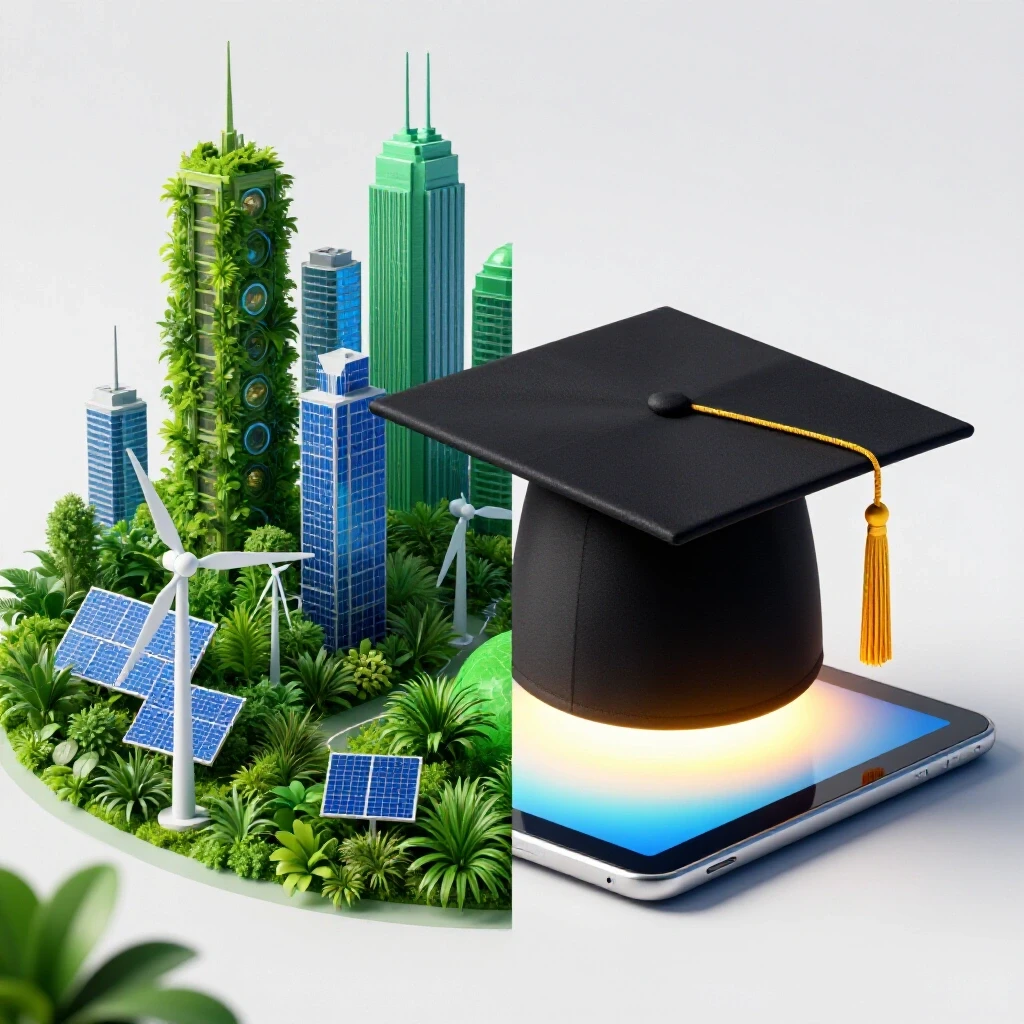
That’s what we’re going to unpack.
Think of this article as your friendly guide to navigating the world of online sustainability education.
We’ll explore the rise of this field, the skills you’ll gain, the career opportunities that await, and address some common concerns.
Let’s get started!
Section 1: The Rise of Sustainability Education
It feels like just yesterday “sustainability” was a niche term.
Now? It’s everywhere!
Businesses are talking about it, governments are implementing policies, and individuals are making conscious choices to live more sustainably.
But how did we get here?
Over the past decade, sustainability education has exploded.
We’ve moved from a focus on basic environmental science to a much broader, interdisciplinary approach.
Think about it: you can’t solve climate change without understanding economics, policy, and social justice, right?
The shift is driven by increased global awareness of pressing environmental issues.
From devastating wildfires to rising sea levels, the consequences of inaction are becoming increasingly clear.
People are waking up, and they want to be part of the solution.
This heightened awareness has translated into significant growth in enrollment in sustainability programs.
I’ve seen statistics showing a consistent year-over-year increase in students pursuing degrees related to environmental science, renewable energy, and sustainable business practices.
For example, a report by the Environmental Defense Fund noted a 20% increase in sustainability-related job postings just last year.
And the rise of online education has been a game-changer!
It’s made these programs accessible to a wider audience, regardless of location or personal circumstances.
Imagine someone living in a rural area, passionate about conservation, now able to access world-class education without having to relocate.
Pretty cool, huh?
Section 2: Understanding Online Sustainability Masters Programs
So, what exactly is an online Sustainability Masters program?
Essentially, it’s a graduate-level degree designed to equip you with the knowledge and skills to address complex environmental and social challenges.
These programs typically cover a broad range of topics, from environmental science and policy to sustainable business practices and renewable energy technologies.
One of the coolest things about these programs is the variety of specializations available. Here are a few examples:
- Environmental Policy: Focuses on developing and implementing environmental regulations and policies.
- Sustainable Agriculture: Explores methods for producing food in an environmentally responsible and economically viable way.
- Renewable Energy: Covers the science, technology, and policy aspects of renewable energy sources like solar, wind, and geothermal.
- Sustainable Business Management: Integrates sustainability principles into business operations and strategies.
The format of online learning varies, but it generally falls into two categories: synchronous and asynchronous.
- Synchronous learning involves real-time interaction, like live lectures or virtual group discussions.
- Asynchronous learning allows you to learn at your own pace, using pre-recorded lectures, online forums, and self-guided assignments.
The benefits of online learning are numerous.
It offers flexibility, allowing you to study around your existing commitments.
It can also be more affordable than traditional on-campus programs, as you save on commuting and housing costs.
Plus, you can access top-tier programs from anywhere in the world!
Section 3: The Eco Boom: Trends and Predictions for 2025
Okay, let’s talk about the future! What’s the sustainability landscape going to look like in 2025?
Well, all signs point to an “Eco Boom.”
What I mean by that is a significant increase in demand for sustainability professionals across various sectors.
We’re already seeing major trends shaping this boom:
- Increased Corporate Social Responsibility (CSR): Companies are under immense pressure to reduce their environmental impact and operate more sustainably.
- Government Regulations: Governments worldwide are implementing stricter environmental regulations, driving demand for compliance experts.
- Investor Activism: Investors are increasingly considering environmental, social, and governance (ESG) factors when making investment decisions.
- Consumer Demand: Consumers are demanding more sustainable products and services, forcing businesses to adapt.
By 2025, I predict these trends will be even more pronounced.
We’ll see a greater emphasis on circular economy principles, a rapid expansion of the renewable energy sector, and a widespread adoption of sustainable technologies.
Industries are already adapting, and they’re looking for people with the right skills. They need professionals who can:
- Develop and implement sustainability strategies.
- Assess environmental risks and opportunities.
- Manage environmental compliance.
- Communicate sustainability initiatives to stakeholders.
- Innovate sustainable products and services.
The Eco Boom is coming, and it’s going to create a wealth of opportunities for those with the right education and skills.
Section 4: The Value of an Online Master’s in Sustainability
Alright, let’s get down to brass tacks: What’s the actual return on investment (ROI) of an online master’s degree in sustainability?
It’s a fair question, and one you should definitely consider before making any decisions.
First, let’s talk about salaries.
Sustainability professionals can command competitive salaries, especially those with advanced degrees.
The exact salary will vary depending on your experience, specialization, and location, but here are some general ranges:
- Sustainability Manager: $80,000 – $150,000+ per year
- Environmental Consultant: $60,000 – $120,000+ per year
- Renewable Energy Engineer: $70,000 – $130,000+ per year
- Environmental Policy Analyst: $55,000 – $110,000+ per year
These salaries are often comparable to, or even higher than, those in other fields requiring a master’s degree.
But the ROI isn’t just about the money. It’s also about the impact you can make.
I’ve spoken with many alumni of online sustainability programs who have gone on to do amazing things.
I know one graduate who’s now leading sustainability efforts at a major corporation, reducing their carbon footprint and promoting ethical sourcing.
Another is working with a non-profit to implement sustainable farming practices in developing countries.
These are people who are making a real difference in the world, and their online master’s degree helped them get there.
The value of an online master’s in sustainability extends beyond just financial gain.
It’s about investing in your future, your career, and the future of the planet.
Section 5: Skills Acquired Through Online Sustainability Programs
So, what specific skills will you develop in an online sustainability program?
It’s not just about memorizing facts and figures; it’s about developing a well-rounded skillset that will make you a valuable asset in the sustainability sector.
Here are some key competencies you can expect to gain:
- Critical Thinking: Analyzing complex environmental problems and developing innovative solutions.
- Data Analysis: Collecting, analyzing, and interpreting environmental data to inform decision-making.
- Project Management: Planning, organizing, and executing sustainability projects effectively.
- Communication: Communicating sustainability concepts to diverse audiences, including stakeholders, policymakers, and the public.
- Systems Thinking: Understanding the interconnectedness of environmental, social, and economic systems.
One of the most important aspects of these programs is the emphasis on interdisciplinary knowledge.
Sustainability challenges are rarely confined to a single discipline; they require a holistic understanding of various fields.
Collaboration is also key.
You’ll learn to work effectively with people from different backgrounds and perspectives to achieve common sustainability goals.
I recently spoke with a professor who teaches in an online sustainability program.
He emphasized that the program is designed to equip students with the “soft skills” needed to succeed in the real world.
He said that employers are looking for graduates who can not only understand the science behind sustainability but also communicate effectively, work collaboratively, and think critically.
Section 6: Networking and Career Opportunities
Networking can feel like a buzzword, but it’s crucial, especially in a field like sustainability.
Why? Because sustainability is all about collaboration, partnerships, and sharing best practices.
One of the biggest concerns people have about online education is the perceived lack of networking opportunities.
But the truth is, many online programs offer a wealth of virtual networking opportunities.
These include:
- Virtual Events: Online conferences, webinars, and workshops where you can connect with industry professionals and fellow students.
- Online Forums: Dedicated online communities where you can engage in discussions, ask questions, and share resources.
- Social Media: Platforms like LinkedIn can be powerful tools for connecting with sustainability professionals and building your network.
I’ve even seen some programs organize virtual site visits to sustainable businesses or projects, allowing students to get a behind-the-scenes look and connect with practitioners.
Many companies and organizations actively recruit graduates from sustainability programs. These include:
- Consulting Firms: Helping businesses develop and implement sustainability strategies.
- Government Agencies: Working on environmental policy and regulation.
- Non-profit Organizations: Advocating for environmental protection and social justice.
- Corporations: Managing environmental compliance and promoting sustainable business practices.
The sustainability sector is growing rapidly, and the demand for skilled professionals is only going to increase in the years to come.
Section 7: Challenges and Misconceptions
Let’s be real: online education isn’t perfect. There are challenges and misconceptions that need to be addressed.
One common misconception is that online programs are somehow less rigorous or less valuable than traditional on-campus programs.
This simply isn’t true.
Many online programs are taught by the same faculty and cover the same curriculum as their on-campus counterparts.
Another concern is the potential lack of hands-on experience.
While online programs may not offer the same opportunities for lab work or field studies, many incorporate virtual simulations, case studies, and real-world projects to provide practical learning experiences.
Networking limitations are another valid concern.
While online programs offer virtual networking opportunities, they may not replicate the spontaneous interactions that occur on a physical campus.
It’s important to acknowledge these challenges and address them head-on.
Here’s a balanced view:
Pros:
- Flexibility and convenience
- Affordability
- Access to top-tier programs
- Virtual networking opportunities
Cons:
- Potential lack of hands-on experience
- Limited face-to-face interaction
- Requires self-discipline and motivation
Ultimately, the decision of whether or not to pursue an online master’s in sustainability depends on your individual circumstances, learning style, and career goals.
Section 8: Future Outlook for Sustainability Professionals
Okay, crystal ball time! What does the future hold for sustainability professionals?
I’m optimistic. Very optimistic.
As we move towards 2025 and beyond, sustainability will only become more important.
The challenges we face – climate change, resource depletion, pollution – are not going away.
They’re going to require innovative solutions and dedicated professionals.
I predict we’ll see the emergence of new fields and roles within the sustainability sector. These might include:
- Climate Resilience Officer: Helping communities adapt to the impacts of climate change.
- Circular Economy Specialist: Designing and implementing circular economy strategies for businesses and organizations.
- Sustainability Data Scientist: Using data analytics to track environmental performance and identify opportunities for improvement.
- Environmental Justice Advocate: Working to ensure that all communities have equal access to a healthy environment.
The key to success in this rapidly changing field is continuous learning and adaptation.
You’ll need to stay up-to-date on the latest technologies, policies, and best practices.
Consider pursuing professional certifications, attending conferences, and engaging in ongoing professional development.
The more you invest in your skills and knowledge, the more valuable you’ll be to employers.
The future is bright for sustainability professionals.
If you’re passionate about making a difference in the world, this is a field where you can truly thrive.
Conclusion
So, is an online Sustainability Masters worth it, especially as we look towards 2025?
Based on everything we’ve discussed, my answer is a resounding yes.
The demand for skilled professionals in sustainability is only going to grow in the years to come.
An online master’s degree can provide you with the knowledge, skills, and network you need to succeed in this rapidly expanding field.
It’s an investment in your future, your career, and the future of the planet.
The knowledge you gain in these programs is durable.
It’s not just about learning the latest trends; it’s about developing a deep understanding of the interconnectedness of environmental, social, and economic systems.
That understanding will serve you well throughout your career, allowing you to adapt to changing circumstances and develop innovative solutions to complex challenges.
If you’re passionate about creating a sustainable future, an online Sustainability Masters program is a valuable investment that can help you achieve your goals.
Go for it! The world needs you.