How to Succeed in a Nursing Bridge Program (Step-by-Step Guide)
As the leaves begin to turn and the air grows crisp, a familiar “back-to-school” energy fills the air. For many, this seasonal shift triggers a desire for a fresh start or a career upgrade. However, for working adults in healthcare, the thought of spending four more years in a traditional classroom feels impossible. I have spent over a decade analyzing alternative pathways to degree completion, and few routes are as impactful as the nursing bridge program. These programs are designed specifically for those who are already in the trenches of patient care. They offer a way to bypass the slow, expensive traditional route and move directly into higher-responsibility roles.
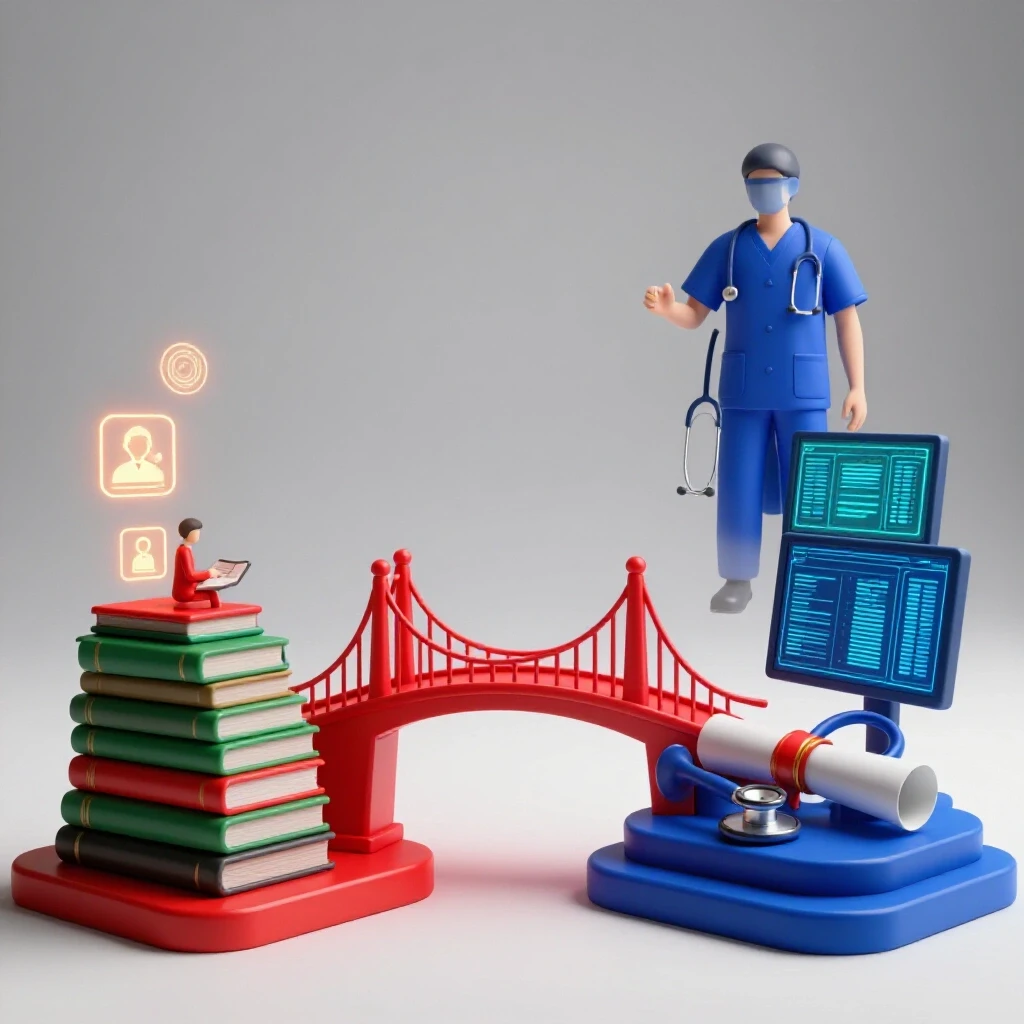
What is a Nursing Bridge Program?
A nursing bridge program is an accelerated educational track designed for healthcare workers who already hold a credential. These programs recognize prior experience, allowing students to skip introductory courses and move directly into advanced clinical training to earn a higher degree or license.
These programs act as a functional shortcut for Licensed Practical Nurses (LPNs), Paramedics, and even Registered Nurses (RNs) looking to earn a Bachelor of Science in Nursing (BSN). Instead of starting from scratch, the student receives “credit for prior learning.” This means the thousands of hours you have spent on the job actually count toward your degree. In my research, I have found that these programs are some of the most effective non-traditional education routes available today. They bridge the gap between where you are and where you want to be without making you repeat what you already know.
Why Choose an Alternative Nursing Pathway?
Choosing a bridge program over a traditional four-year degree focuses on efficiency and return on investment. It allows working professionals to maintain their income while gaining higher-level skills, significantly reducing the opportunity cost associated with leaving the workforce for full-time study.
The traditional college model often fails the working adult. I remember mentoring a paramedic named Sarah who had ten years of emergency experience. She was told by a local university that she would need to take “Introduction to Patient Care” alongside eighteen-year-olds. It felt like a slap in the face to her expertise. When we looked at alternative pathways to degree completion, we found a bridge program that credited her for her field experience. This saved her nearly two years of time and a significant amount of money.
- Time Savings: Bridge programs typically take 12 to 18 months, compared to the four years required for a traditional degree.
- Cost Efficiency: By testing out of basic courses or receiving credit for work experience, you pay for fewer credit hours.
- Career Momentum: You stay in the workforce, which means you don’t lose your seniority or benefits while you learn.
- Skill Focus: The curriculum skips the fluff and focuses on the advanced clinical judgment required for your new role.
Comparing the Routes: Traditional vs. Bridge
| Feature | Traditional BSN | Nursing Bridge Program |
|---|---|---|
| Typical Duration | 48 Months | 12 to 18 Months |
| Cost Basis | Full Tuition for 120+ Credits | Reduced Credits (30 to 60) |
| Learning Style | Generalist / Academic | Focused / Clinical |
| Work Schedule | Full-time Student Status | Designed for Working Adults |
| Entry Point | High School Diploma | Existing License (LPN/Paramedic) |
Navigating the Transition: Lessons from the Field
The transition from one clinical role to another involves more than just new knowledge; it requires a shift in professional identity. Success depends on mastering a broader scope of practice, increasing critical thinking skills, and adapting to the heightened responsibilities of a registered nurse.
In my years of studying career changers, I have noticed that the biggest hurdle isn’t the science; it is the mindset. A paramedic is trained to stabilize and transport. An LPN is focused on task-oriented care. A Registered Nurse, however, must focus on long-term care planning and complex diagnostics. This shift in “scope of practice” is the heart of the bridge program. Interestingly, data from the Department of Labor suggests that healthcare workers who bridge into higher roles have a much higher retention rate than those who enter nursing as their first career. They know the reality of the job, and they are choosing to stay and grow.
Data on Employer Recognition and Career Growth
Employer recognition for bridge programs is exceptionally high because graduates already possess foundational healthcare experience. National data suggests that bridge graduates often integrate into hospital settings faster than traditional students due to their existing comfort with patient care environments.
Many students worry about the “stigma” of a non-traditional route. However, my research into skills-based hiring shows that hospitals prioritize licensure and experience over the name of the school. In a survey of healthcare hiring managers, over 85% stated they value the “real-world” experience of a bridge graduate. They see someone who has balanced a full-time job with a rigorous bridge program as a disciplined and reliable hire.
- Job Placement: Most bridge students have a job offer before they even pass their boards.
- Salary Increase: Moving from an LPN to an RN often results in a 30% to 50% pay increase.
- Credential Recognition: As long as the program is accredited, the degree is viewed as identical to a traditional one.
Practical Strategies for Balancing Work and Study
Balancing rigorous clinical rotations with a full-time job requires a structured approach to time management and modular learning. Successful non-traditional students use digital tools and employer-sponsored flexibility to manage their schedules without burning out.
I often tell my mentees that you cannot use a traditional study schedule for a non-traditional path. You have to be resourceful. I have seen students use micro-credentials to brush up on their science prerequisites before the bridge program even starts. For example, taking a medical terminology course on a platform like Coursera or a science module via edX can give you a head start.
- Use the “Gap” Times: Listen to clinical lectures during your commute or while at the gym.
- Stack Your Skills: Consider a Google Career Certificate in Data Analytics or Project Management to supplement your nursing skills. This helps if you eventually want to move into nursing management.
- Negotiate with Your Employer: Many hospitals will offer tuition reimbursement or flexible scheduling if you commit to staying with them after graduation.
Credential Stacking in Nursing
Credential stacking is the process of earning small, focused certifications that build toward a larger goal. In nursing, this might look like earning a specialty certification in wound care or telemetry while you are still in your bridge program. This makes your resume stand out immediately.
- Step 1: Start with your current license (LPN/Paramedic).
- Step 2: Complete prerequisites through low-cost, online micro-credentials.
- Step 3: Enroll in an accelerated bridge program.
- Step 4: Add specialized certifications (ACLS, PALS) to increase your market value.
Avoiding Common Pitfalls in Alternative Nursing Routes
Many students struggle by underestimating the academic rigor of bridge programs or failing to vet the accreditation of their chosen path. Avoiding these mistakes involves thorough research into state board requirements and ensuring the program offers robust clinical support.
One of the most common mistakes I see is choosing a program based solely on speed. If a program is not accredited by the proper boards, you may find yourself unable to sit for the NCLEX exam. Always verify that the program is recognized by your State Board of Nursing. Another pitfall is the “lone wolf” mentality. Non-traditional paths can feel isolating. I encourage students to find online communities or local study groups. Sharing the burden of a 12-month intensive program makes the finish line much more attainable.
Step-by-Step Action Plan for Bridge Success
- Audit Your Current Credits: Gather all your transcripts and work certifications. See what will transfer.
- Research Accreditation: Only look at programs with CCNE or ACEN accreditation.
- Complete Prerequisites Online: Use platforms like StraighterLine or Sophia Learning for general education classes to save money.
- Apply for Financing: Look for employer-sponsored tuition help before taking out private loans.
- Schedule Your Clinicals: Ensure the program’s clinical requirements fit your work schedule.
- Prepare for the NCLEX: Start using prep tools early in your program to ensure a first-time pass.
Tools and Resources for the Non-Traditional Nurse
- Apprenticeship.gov: A great place to find healthcare organizations that pay you to learn.
- Coursera and edX: Use these for low-cost prerequisite courses and micro-credentials.
- LinkedIn Learning: Excellent for developing “soft skills” like leadership and communication.
- State Board of Nursing Websites: Your ultimate source of truth for licensing requirements.
- Smart-Phone Apps: Use apps for flashcards and practice questions during short breaks at work.
The ROI of the Nursing Bridge Path
The return on investment (ROI) for a bridge program is often much higher than a standard degree. If you spend less money and less time out of the workforce, your “break-even” point happens much sooner. I have calculated that bridge graduates often see a full return on their education investment within the first 12 to 18 months of their new role. This is a stark contrast to the decade it can take to pay off traditional student loans.
- Average Cost Savings: 40% to 60% compared to a full four-year degree.
- Time to Employment: Immediate, as most students bridge within their current workplace.
- Long-term Growth: The bridge program is often the first step toward becoming a Nurse Practitioner or Nurse Educator.
Final Thoughts on Alternative Pathways
The world of education is changing. The stigma around non-degree paths and accelerated programs is fading as employers realize that skills matter more than seat time. For the 25-to-40-year-old professional, the nursing bridge program represents the perfect blend of practical experience and academic advancement. It is a route built for the resourceful and the determined. If you are disillusioned with the slow pace of traditional college, remember that there is a faster, more practical way to reach your goals. You have already done the hard work of learning the clinical basics. Now, it is time to bridge the gap to your future.
Frequently Asked Questions
Can I really work full-time while in a nursing bridge program?
Yes, most bridge programs are designed specifically for working adults. They often offer evening or weekend clinical rotations. Many programs also use a hybrid model, where the classroom portion is online, allowing you to study when it fits your schedule. However, it requires excellent time management and a supportive employer.
Will hospitals hire me if I didn’t go to a traditional four-year university?
Absolutely. Hospitals are in desperate need of skilled nurses. They value the fact that you already have experience as an LPN or Paramedic. As long as you pass the NCLEX and your program is accredited, your license is the same as any other Registered Nurse.
How do I know if my work experience counts for credit?
Every program has its own “Credit for Prior Learning” policy. You will need to provide your current license, a resume detailing your experience, and sometimes a portfolio or skills check-off. Most bridge programs have a dedicated advisor who can help you map out exactly which courses you can skip.
What is the difference between an LPN-to-RN and an RN-to-BSN bridge?
An LPN-to-RN bridge helps you move from a practical nursing license to a registered nursing license, usually resulting in an Associate Degree (ADN). An RN-to-BSN bridge is for current Registered Nurses who want to earn their Bachelor’s degree. Both are accelerated and focus on building upon your existing license.
Are bridge programs harder than traditional nursing school?
The material is just as rigorous, but the pace is faster. Because you are expected to already know the basics, the program moves quickly into advanced topics. Many students find this more engaging because they aren’t repeating things they already do every day at work.
Do I need to take the SAT or ACT to get into a bridge program?
Generally, no. Most bridge programs look at your current professional license and your GPA from your previous nursing or paramedic training. They value your professional track record more than standardized test scores from high school.
What happens if I move to another state?
Nursing licenses are often part of a “compact” agreement between states. If you graduate from an accredited bridge program and get your license, you can usually transfer that license to other states. Always check the Nurse Licensure Compact (NLC) map to see if your state is included.
Can I use micro-credentials like Google Career Certificates in nursing?
While a Google certificate won’t replace a nursing license, it can be a powerful “stackable” credential. For example, a certificate in Project Management or Data Analytics can help you move into nursing informatics or hospital administration later in your career. It shows employers that you are a versatile and tech-savvy professional.
Is financial aid available for these non-traditional routes?
Yes, accredited bridge programs are eligible for federal financial aid (FAFSA). Additionally, many healthcare employers offer tuition reimbursement programs for employees who are bridging to a higher level of care. Always check with your HR department first.
How long does it take to see a salary increase?
Most students see a salary bump the moment they pass their NCLEX and their job title officially changes. Because you are often staying with the same employer, the transition is seamless. In many cases, the pay increase is enough to cover the cost of the program within the first year.
What if I have been out of school for a long time?
Bridge programs are filled with adult learners who have been out of school for 5, 10, or even 20 years. These programs often provide “refresher” modules and academic support specifically for people returning to the classroom. You will likely find that your real-world experience makes the academic concepts easier to understand.
Can I bridge from a completely different field into nursing?
If you have no healthcare experience, a bridge program is not the right fit. You would look for an “Accelerated BSN” or a “Direct Entry” program. Bridge programs are strictly for those who already hold a lower-level clinical license. For career changers from non-medical fields, I recommend starting with an EMT or CNA certification to see if the field is a good fit before committing to a full degree.
(This article was written by one of our staff writers, Andrew Kensington. Visit our Meet the Team page to learn more about the author and their expertise.)