MSW vs BSW Degree Comparison: Field Placement Outcomes (Guide)
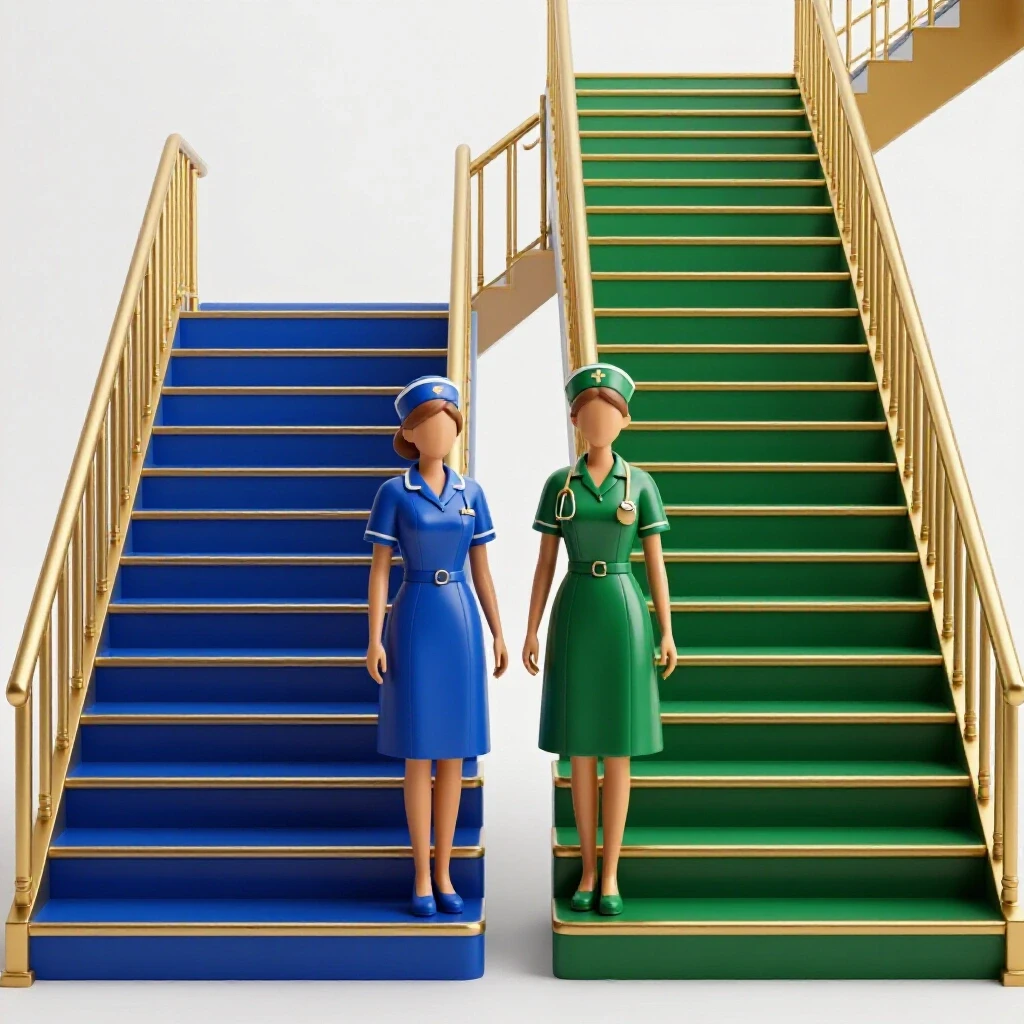
According to the Council on Social Work Education (CSWE), BSW students must complete a minimum of 400 field hours, while MSW students must complete at least 900 hours. This massive difference in hands-on time is the single most important factor in your career readiness. It determines whether you enter the workforce as a generalist helping people find resources or as a specialized clinician providing therapy.
In my 14 years as an education policy analyst, I have seen many students feel overwhelmed by these choices. I remember a student named Maria who was a first-generation college freshman. She was torn between a BA in Sociology and a BSW. She worried that a specialized degree might lock her into one path too soon. By looking at the data on field placements, we were able to map out a clear ROI for her future.

Wondering What Is the Best Bachelor’s Degree for Careers in Social Work?
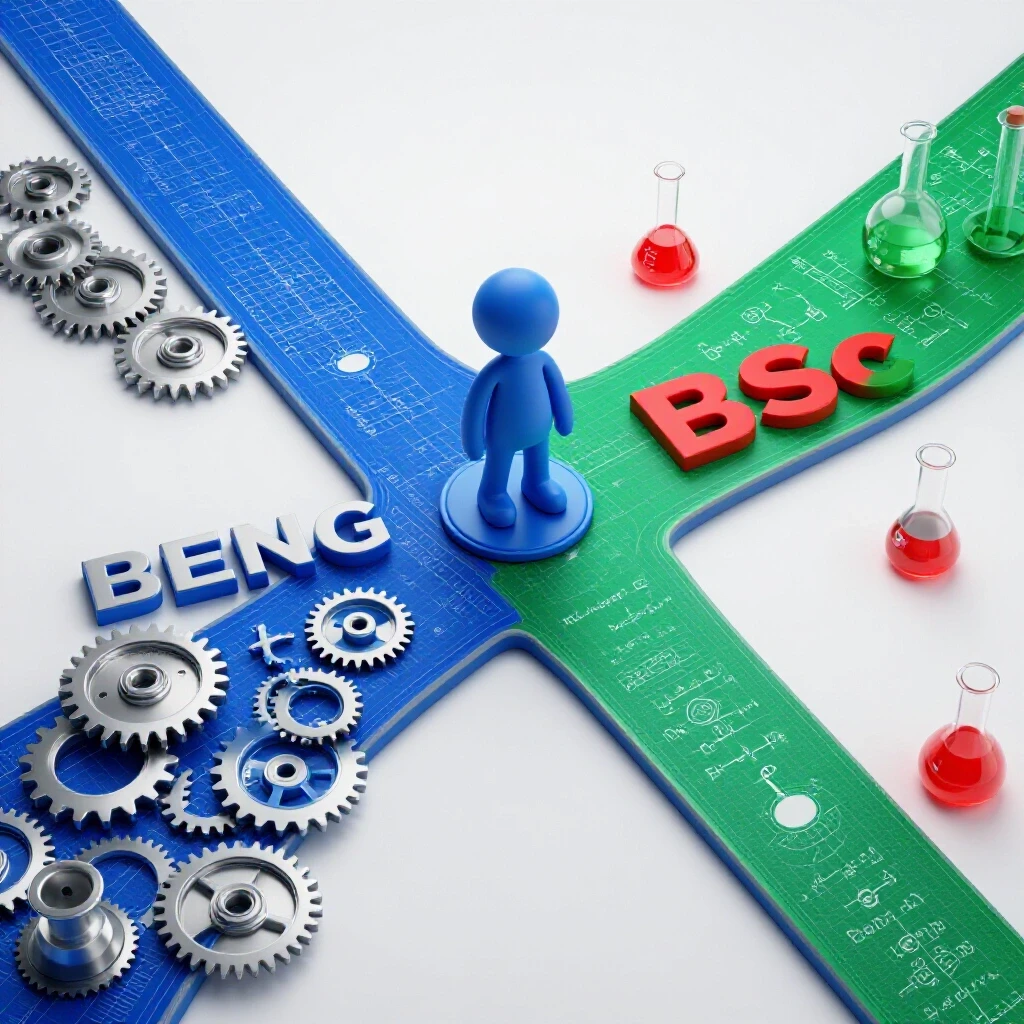
The best bachelor’s degree for careers in social work is typically the Bachelor of Social Work (BSW) because it is the only undergraduate degree that allows for professional licensure in most states. While a BA in Psychology or Sociology provides a broad foundation, a BSW includes the specific field placement hours required for entry-level social work jobs.
When I mentor high school seniors, I often explain that the “best” degree is the one that shortens your path to your goal. If you know you want to work in social services, the BSW is the most direct route. It offers a unique blend of classroom theory and “in the trenches” experience. This experience is what employers value most when they look at your resume.
Data from the National Center for Education Statistics (NCES) shows that students in professional degree programs often have higher job placement rates within six months of graduation. This is because their field placement acts as a long-form job interview. You aren’t just learning from a book; you are building a professional network while you are still a student.
- BSW programs are accredited by the CSWE.
- They require at least 400 hours of supervised field work.
- Graduates can often “test out” of the first year of a Master’s program.
- This “Advanced Standing” can save you over $30,000 in graduate tuition.
BA vs BS: Which Degree Type Should You Choose?
Choosing between a Bachelor of Arts (BA) and a Bachelor of Science (BS) in social work often depends on your interest in research or liberal arts. While a BSW is the standard, knowing the BA vs BS differences helps you align your education with your long-term graduate school plans and career goals.
In my research, I have found that a BA usually focuses on a broader range of subjects like history, languages, and humanities. A BS or a BSW is more technical. It focuses on the “how-to” of the profession. For a student who wants to work in a hospital or a clinic, the science-heavy or practice-heavy focus of a BSW or BS is usually the better fit.
Interestingly, the BA vs BS differences often disappear once you get to the master’s level. However, for your first four years, the choice matters for your internship options. A BS student might spend more time on data and policy analysis. A BA student might spend more time on the cultural and historical context of social issues.
- BA: Focuses on broad knowledge and critical thinking.
- BS: Focuses on technical skills and quantitative research.
- BSW: Focuses on direct practice and professional ethics.
- Check your target university’s curriculum to see which one they offer.
How Field Placements Shape Your Career Outcomes
Field placements are the heart of a social work degree and act as the bridge between being a student and a professional. These internships allow you to apply classroom theories to real-life situations under the eye of a supervisor. Your placement result often dictates your first job offer and your starting salary.
During my own journey in education policy, I have reviewed hundreds of institutional program analyses. The data is clear: the quality of your field placement is a top predictor of career satisfaction. BSW placements are “generalist.” This means you learn how to work with individuals, families, and communities all at once.
In a BSW placement, you might work at a local food bank, a senior center, or a housing office. You are the “boots on the ground” connecting people to resources. In an MSW placement, the focus shifts. You are often in a clinical setting, like a mental health clinic, learning how to diagnose and treat mental health conditions.
| Feature | BSW Field Placement | MSW Field Placement |
|---|---|---|
| Minimum Hours | 400 Hours | 900 to 1,200 Hours |
| Practice Level | Generalist (Broad) | Specialist (Clinical/Macro) |
| Core Tasks | Case Management, Referrals | Therapy, Diagnosis, Policy |
| Supervision | BSW or MSW Professional | Licensed Clinical Social Worker |
| Career Goal | Entry-level Social Services | Licensed Therapist or Director |
Choosing the Right Major for Long-Term ROI
Choosing the right major involves looking at the Return on Investment (ROI), which includes your starting salary compared to your student debt. For social work, the ROI is often higher if you can secure “Advanced Standing” for your master’s degree. This makes the BSW a very strategic choice for cost-conscious students.
I often tell career changers that they should look at the College Scorecard data before picking a school. This tool shows the median debt and earnings of graduates from specific programs. For social work, the debt-to-income ratio can be high if you don’t plan carefully. A BSW helps by letting you work in the field while you earn your MSW.
The Bureau of Labor Statistics (BLS) reports that the median annual wage for social workers was $55,350 in 2022. However, those with an MSW and clinical licensure often earn significantly more. By starting with a BSW, you get your foot in the door earlier. You can earn a paycheck and gain experience while your peers are still in the classroom.
- Average BSW starting salary: $35,000 to $45,000.
- Average MSW starting salary: $50,000 to $65,000.
- Licensed Clinical Social Worker (LCSW) salary: $60,000 to $90,000+.
- Using Advanced Standing saves 1 year of tuition and living expenses.
Understanding the BSW Field Placement Experience
The BSW field placement is designed to give you a wide view of the social work profession through generalist practice. You will likely spend two semesters at one agency, working about 12 to 16 hours per week. This experience is meant to build your basic skills in communication, ethics, and documentation.
I once guided a sophomore named Alex who was nervous about his first placement. He was placed at a child welfare agency. At first, he felt like he was just doing paperwork. But he soon realized that the paperwork was the key to keeping families together. He learned how to navigate the court system and how to talk to parents in crisis.
This “generalist” approach is vital. Even if you want to be a private therapist later, you need to understand how the system works. You need to know how to help a client get food stamps or find a shelter bed. The BSW placement ensures you have these survival skills. It makes you a well-rounded professional who understands the whole person.
- Identify your interests (Children, Seniors, Policy, etc.).
- Meet with your Field Director early in your junior year.
- Prepare your resume and practice your interviewing skills.
- Log your hours diligently and seek feedback from your supervisor.
Why the MSW Field Placement Is Different
The MSW field placement is more intense and focused on a specific area of practice, such as clinical therapy or high-level administration. It requires a much larger time commitment, often 20 or more hours per week. This is where you develop the advanced skills needed for specialized roles and higher pay.
When I look at graduate outcomes, the MSW placement is where “specialization” happens. If you want to work in a hospital (Medical Social Work), you need an MSW placement in a healthcare setting. If you want to do therapy, you need a clinical placement. This is a much deeper dive than the BSW experience.
Most MSW programs have two placements: a “Foundation” year and a “Concentration” year. If you have a BSW, you usually skip the foundation year. This means your entire MSW experience is focused on your specialty. This is a huge advantage in the job market. You come out with 500 to 600 hours of highly specialized experience.
- Foundation Year: Similar to BSW generalist practice.
- Concentration Year: Focused on clinical, school, or macro work.
- Supervision must be provided by someone with an MSW and experience.
- Required for state licensure as an LCSW or LMSW.
College Planning Guides: Navigating the Application Season
College planning guides suggest starting your research at least 18 months before you plan to enroll to ensure you meet all deadlines. For social work, this means checking if the program is CSWE-accredited. If it isn’t, you might not be able to get a license or enter an MSW program with advanced standing.
I recommend that high school seniors use tools like the Common App and FAFSA early. But beyond that, look at the school’s “Field Education” page on their website. Do they have partnerships with agencies you are interested in? Do they help you find a placement, or are you on your own? These details change your entire college experience.
For adult learners, flexibility is key. Some programs offer “employment-based” placements. This allows you to use your current job in a social service agency as your internship site. This is a great way to save time and keep your income while you finish your degree. Always ask about this option during your admissions interview.
- Step 1: Check CSWE accreditation status.
- Step 2: Compare four-year graduation rates on College Scorecard.
- Step 3: Research the local job market for social workers.
- Step 4: Visit the campus and talk to current students about their internships.
Common Mistakes to Avoid When Choosing a Major
One common mistake is choosing a major based only on a “gut feeling” without looking at the coursework or career data. Many students pick Psychology because they want to help people, but they don’t realize that a BSW might offer more direct job opportunities. Another mistake is ignoring the cost of graduate school.
In my years of advising, I have seen students graduate with a BA in a general field and then realize they can’t get the job they want without a master’s. If they had chosen a BSW, they could have started working immediately. They also could have finished their master’s in half the time. This lack of planning leads to extra debt and frustration.
Another mistake is not taking the field placement seriously. Some students treat it like a chore. In reality, it is your most important “class.” The connections you make there will provide your letters of recommendation for grad school and your first job leads. Treat every hour in the field like you are on the clock at a high-paying job.
- Mistake: Choosing a non-accredited program.
- Mistake: Not researching state licensing requirements early.
- Mistake: Overlooking the “Advanced Standing” benefit of a BSW.
- Mistake: Waiting until senior year to think about field placements.
Your Personalized Action Plan for Success
A personalized action plan helps you move from feeling overwhelmed to feeling in control of your future. Start by assessing your strengths and your financial needs. If you need to work right after graduation, the BSW is your strongest ally. If you have the resources for six years of school, a BA followed by an MSW is also a valid path.
I suggest creating a simple spreadsheet to track your options. List the tuition, the graduation rate, and the types of field placements offered by each school. This data-driven approach removes the emotion and anxiety from the decision. You aren’t just “picking a major”; you are designing a career.
Finally, talk to professionals in the field. Use LinkedIn to find people who have the job you want. Ask them what they studied. Most social workers are happy to help the next generation. Their real-world advice, combined with the data I have shared, will give you the confidence to make the right choice.
- Take a career aptitude test to confirm social work is a fit.
- Compare 3-5 CSWE-accredited BSW programs.
- Calculate the total cost of a BSW vs. a BA + 2-year MSW.
- Apply for scholarships specifically for social work students.
Frequently Asked Questions About BSW and MSW Degrees
Can I become a social worker with a BA in Psychology? Yes, but it is more difficult. In most states, you cannot be called a “Social Worker” or get a license without a BSW or MSW from an accredited program. You can work in social services, but your job titles and salary may be limited. You will also have to complete a full two-year MSW program later.
What is “Advanced Standing” in an MSW program? Advanced Standing is a fast-track option for students who already have a BSW. Because you have already completed the foundation coursework and 400 field hours, you can skip the first year of the MSW. This allows you to earn your master’s degree in just one year instead of two.
Do BSW students get paid for their field placements? Most BSW field placements are unpaid because they are considered part of your academic credits. However, some agencies are starting to offer small stipends. You should check with your school’s field office to see if any “paid practicum” opportunities are available.
Is an MSW worth the extra debt? For most, yes. An MSW is the “terminal degree” in the field, meaning it opens every door, including private practice and clinical therapy. The salary increase from a BSW to an LCSW is often $20,000 to $40,000 per year. If you use Advanced Standing to keep costs low, the ROI is very strong.
What is the difference between a LBSW and an LCSW? An LBSW is a Licensed Bachelor of Social Work. It allows for entry-level, non-clinical work. An LCSW is a Licensed Clinical Social Worker. This requires an MSW, two years of supervised post-grad experience, and a passing score on a clinical exam. An LCSW can provide independent therapy.
How do I find out if a program is accredited? You should visit the Council on Social Work Education (CSWE) website. They maintain a directory of all accredited BSW and MSW programs in the United States. Never enroll in a social work program that is not listed in this directory, as it will affect your ability to get licensed.
Can I do my field placement at my current job? Many schools allow “employment-based” placements if the agency can provide a supervisor who is not your regular boss. The tasks you do for your internship must also be different from your regular job duties. This is a popular option for career changers and adult learners.
What happens if I don’t like my field placement? If you have a major conflict or the placement isn’t providing the right experience, you must talk to your Field Director immediately. They can help mediate the issue or, in rare cases, move you to a different agency. It is important to handle this professionally, as it is part of your training.
How many hours a week is a BSW internship? Most BSW students spend 12 to 16 hours per week at their agency. This is usually spread across two or three days. You will need to balance this with your other classes, so planning your schedule early is very important.
Is social work a high-stress career? It can be, but it is also highly rewarding. The field placement is designed to help you build “resilience” and learn how to manage stress. By working under a supervisor, you learn how to leave work at the office and care for your own mental health while helping others.
(This article was written by one of our staff writers, Michael Harrington. Visit our Meet the Team page to learn more about the author and their expertise.)