Master’s Degree Regalia: How to Wear (Don’t Get It Wrong!)
Graduation season is almost here, and I bet you’re super excited (and maybe a little nervous) about the big day.
I’m here to help you navigate one of the most important aspects: your master’s degree regalia.
Trust me, you don’t want to be the one struggling with your hood or cap while everyone else is celebrating.
So, let’s dive in and make sure you look amazing and feel confident as you walk across that stage in 2025!
Introduction: The Weather and Graduation Season
Okay, let’s talk about the weather.
Graduation ceremonies usually happen in the spring, which, let’s be honest, can be totally unpredictable.
One minute it’s sunny and warm, the next it’s raining cats and dogs.
I remember one graduation I attended where it started pouring right as the ceremony began!
Everyone was scrambling for cover, and the graduates in their heavy gowns were definitely not having a good time.
The weather impacts everything, not just your comfort but also how your regalia looks.
A gust of wind can send your cap flying, or a sudden downpour can ruin your perfectly styled hair.
That’s why being prepared is key.
We’ll talk about how to adapt your attire for different weather conditions later on.
But first, let’s get a solid understanding of what master’s degree regalia actually is.
Section 1: Understanding Master’s Degree Regalia
Defining Regalia
So, what exactly is master’s degree regalia?
It’s basically the special outfit you wear to commemorate your academic achievement.
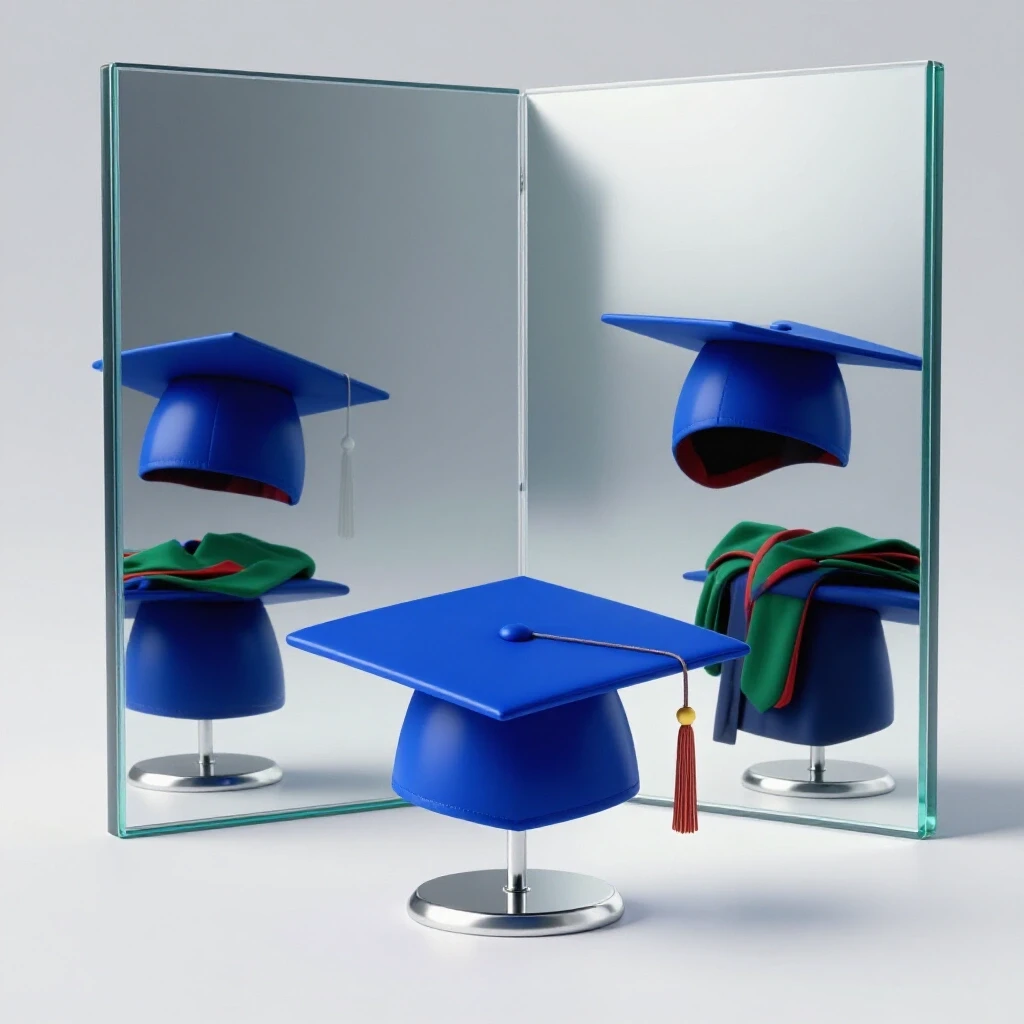
It typically includes three main components:
- The Cap (Mortarboard): That flat, square hat.
- The Gown: The flowing robe.
- The Hood: The colorful sash that drapes
over your shoulders.
Each piece has its own significance, and the colors and symbols often represent your specific field of study.
For example, if you’re graduating with a Master of Science in Engineering, your hood might have a specific color lining that represents engineering.
We’ll get into the specifics of colors and their meanings later.
Historical Context
Believe it or not, academic regalia has a long and fascinating history that dates back to medieval universities in Europe.
Back then, students and professors wore gowns and hoods to keep warm in the drafty, unheated buildings.
Over time, these garments evolved into symbols of academic status and achievement.
The Intercollegiate Code of Academic Costume, established in the late 19th century, standardized many of the rules we follow today regarding the design and colors of academic regalia.
This code helps ensure consistency and uniformity across different institutions.
Here’s a fun fact: The tassel on your mortarboard used to signify whether you were a student or a graduate.
Students wore the tassel on the right side, and graduates moved it to the left upon receiving their degree.
Section 2: The Components of Master’s Regalia
Alright, let’s break down each component of your master’s regalia in more detail.
The Cap
The traditional mortarboard cap is probably the most recognizable part of academic regalia.
It’s a flat, square hat made of stiff material, usually black, with a tassel attached to the center.
The tassel is typically black as well, but it can also be gold for doctoral graduates or for distinguished honors.
How to Wear It:
- Make sure the cap fits snugly but not too tight.
- The front of the cap should be parallel to the
ground. - The tassel should hang down on the right side
before you receive your degree. - After you’re awarded your degree, you’ll
typically move the tassel to the left side. Listen for instructions during the ceremony.
Styling Options:
Some graduates like to decorate their caps with personal messages, symbols, or artwork.
This can be a fun way to express your personality and celebrate your achievement.
Just make sure to check with your university’s guidelines to see if there are any restrictions on cap decorations.
The Gown
The master’s gown is a flowing robe that typically reaches to mid-calf or ankle length.
It’s usually black, but the style and design can vary slightly depending on the university.
Master’s gowns typically have long, closed sleeves with slits near the elbows.
Choosing the Right Size:
It’s crucial to choose a gown that fits you properly.
Too big, and you’ll look like you’re swimming in it.
Too small, and it will be uncomfortable and restrict your movement.
When ordering your gown, be sure to provide your height and weight to ensure you get the right size.
The Hood
The hood is arguably the most distinctive and colorful part of master’s regalia.
It’s a long, draped sash that goes over your shoulders and down your back.
The hood is lined with silk in the colors of the university that is granting the degree.
The velvet trim on the outside of the hood indicates the field of study.
For example, dark blue represents philosophy, white represents arts and letters, and green represents medicine.
How to Wear It Correctly:
- The hood should be draped over your shoulders with the velvet trim facing outward.
- The lining of the hood, which displays your university’s colors, should be visible.
- There’s usually a cord or button that attaches the hood to your gown to keep it in place.
I remember seeing one graduate whose hood kept slipping off her shoulders during the ceremony.
It was distracting and probably embarrassing for her.
So, make sure your hood is securely fastened before you walk across the stage.
Section 3: Common Mistakes to Avoid
Okay, now let’s talk about some common mistakes that graduates make when wearing their regalia.
Avoiding these pitfalls will help you look polished and professional on your big day.
Incorrect Hood Placement
One of the most common mistakes is wearing the hood incorrectly.
Some graduates don’t realize that the lining of the hood is supposed to be visible, so they wear it inside out.
Others forget to fasten the hood to their gown, which can cause it to slip or fall off.
How to Avoid It:
- Practice wearing your hood before the ceremony to get a feel for how it should fit.
- Double-check that the lining is visible and the velvet trim is facing outward.
- Make sure the hood is securely attached to your gown.
Improper Cap Orientation
Wearing your cap at an incorrect angle can also detract from your overall appearance.
Some graduates wear their caps tilted too far back or too far forward, which can look awkward.
How to Avoid It:
- Make sure the front of your cap is parallel to the ground.
- The cap should sit squarely on your head, not tilted to one side.
- Use bobby pins to secure your cap if necessary.
Gown Length Issues
Wearing a gown that is the wrong length can also be a problem.
If the gown is too long, you could trip or stumble.
If it’s too short, it can look unflattering.
How to Avoid It:
- When ordering your gown, provide your height and weight to ensure you get the right size.
- Try on your gown before the ceremony to make sure it fits properly.
- Wear shoes with a comfortable heel height that won’t cause you to trip.
Section 4: Special Considerations
for 2025
Now, let’s look ahead to 2025 and discuss some special considerations for your graduation.
Trends in Regalia
While traditional academic regalia remains the standard, there are some emerging trends to be aware of.
- Sustainable Fabrics: More universities are offering regalia made from recycled materials or sustainable fabrics.
- Inclusive Designs: Some manufacturers are creating regalia that is more inclusive of different body types and gender identities.
- Technological Integration: I’ve even heard talk of incorporating technology into regalia, such as embedded displays or sensors.
These trends reflect broader societal changes and a growing emphasis on sustainability, inclusivity, and innovation.
Customization Options
Personalized regalia is becoming increasingly popular.
Many graduates are choosing to add custom embroidery, patches, or other embellishments to their caps and gowns.
This can be a great way to express your individuality and commemorate your unique academic journey.
However, it’s important to check with your university’s guidelines before customizing your regalia to ensure that you comply with any restrictions.
Adapting for Weather
As I mentioned earlier, the weather on graduation day can be unpredictable.
Here’s some advice on how to dress under your gown for different weather conditions:
- Hot Weather: Wear lightweight, breathable clothing. Avoid dark colors that will absorb heat. Stay hydrated by drinking plenty of water.
- Cold Weather: Wear layers of warm clothing. Consider wearing a sweater or jacket under your gown. Bring a scarf and gloves if necessary.
- Rainy Weather: Bring an umbrella or raincoat. Wear shoes that you don’t mind getting wet. Avoid wearing delicate fabrics that could be damaged by rain.
Section 5: Preparing for the Ceremony
Alright, let’s get down to the nitty-gritty of preparing for the ceremony.
Final Check
Here’s a checklist to ensure you have everything you need:
- Cap
- Gown
- Hood
- Tassel
- Comfortable shoes
- Appropriate undergarments
- Any necessary accessories (e.g., umbrella,
scarf)
Practice Wearing Regalia
I highly recommend practicing wearing your regalia before the ceremony.
This will help you get comfortable with it and identify any potential problems.
Practice walking in your gown, adjusting your hood, and moving your tassel from right to left.
Photography Tips
You’ll definitely want to take lots of pictures to commemorate your graduation.
Here are some tips for posing in your regalia:
- Stand up straight and maintain good posture.
- Smile naturally and confidently.
- Angle your body slightly to the side to create a more flattering silhouette.
- Make sure your hood and tassel are properly positioned.
- Take both posed and candid shots.
Conclusion: Celebrating Achievement in Style
Wearing your master’s degree regalia is a special and meaningful experience.
It’s a symbol of your hard work, dedication, and academic achievement.
By following these tips, you can ensure that you look your best and feel confident as you celebrate this important milestone.
Embrace the moment, soak it all in, and remember that you’ve earned this!
Congratulations, graduates of 2025!