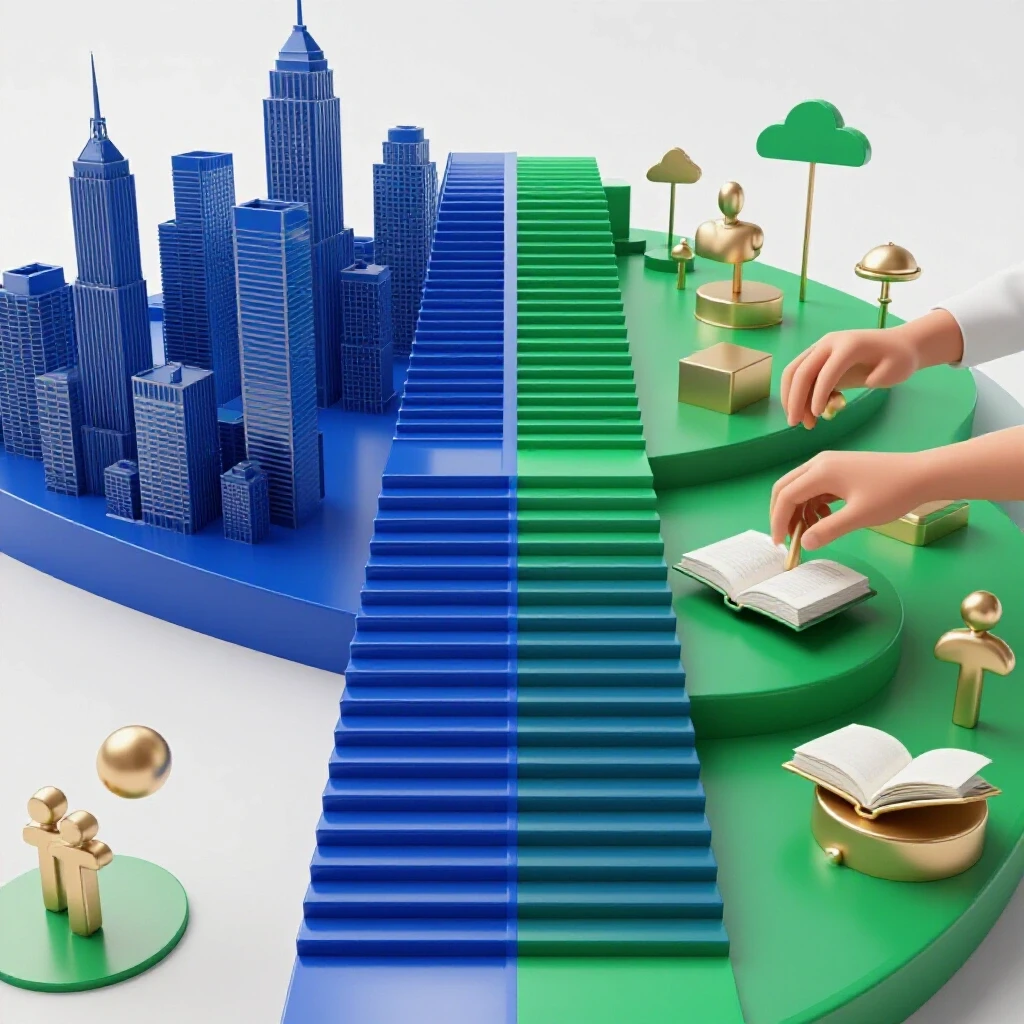
Master’s Before Bachelor’s? (Is It Possible?)
And one question that pops up quite often is: “Can I get a master’s degree before finishing my bachelor’s?”
In today’s world, education is becoming more and more customizable.
So, let’s dive into this intriguing topic and explore the possibilities!
Section 1: Understanding the Traditional Academic Pathway
1.1 Overview of the Traditional Degree Structure
Typically, the educational journey goes like this: high school, then a bachelor’s degree, and finally, a master’s degree.
It’s the path most of us are familiar with.
According to the National Center for Education Statistics (NCES), in 2021, about 2.0 million bachelor’s degrees and 863,000 master’s degrees were awarded in the United States.
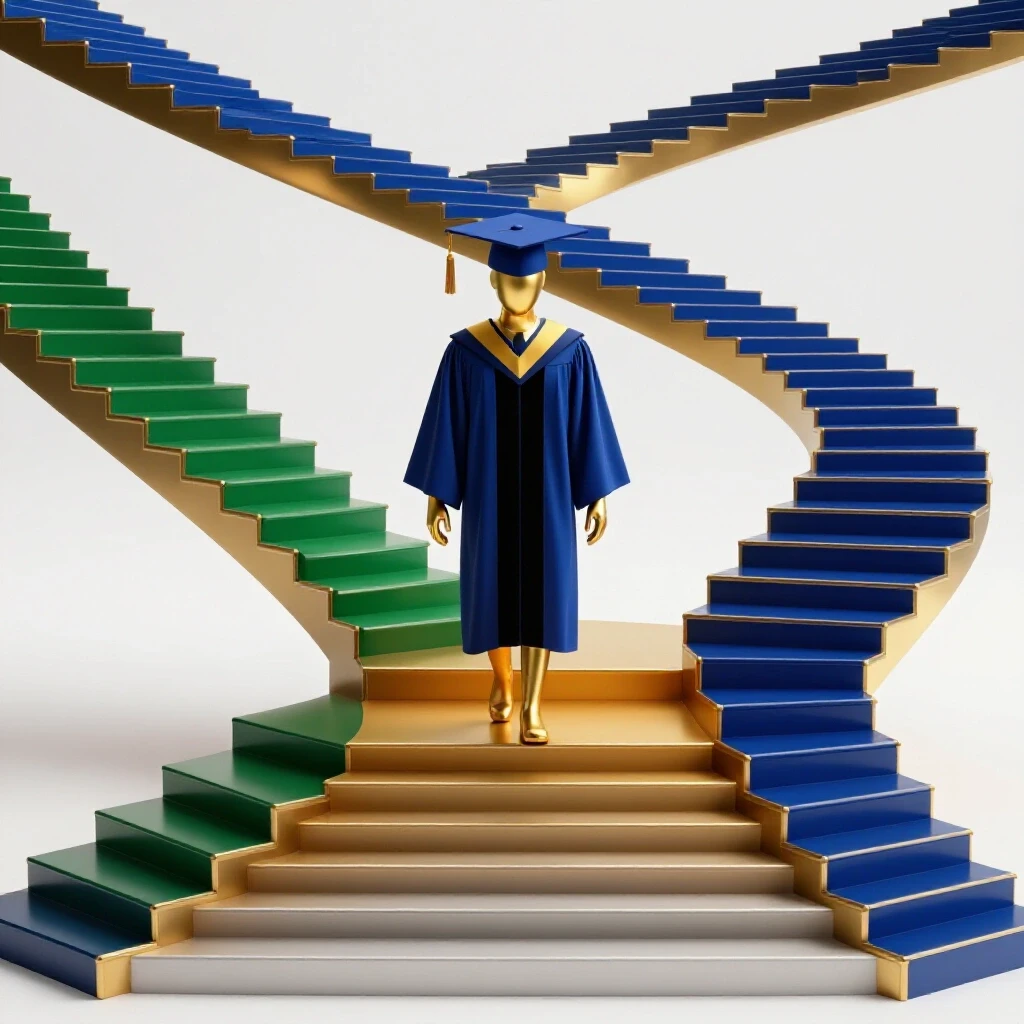
That shows a significant number of students are pursuing graduate education after their bachelor’s.
This traditional route provides a solid foundation and allows students to explore different fields before specializing.
1.2 Historical Context
The bachelor’s and master’s degree structure has roots in medieval European universities.
The bachelor’s was initially a license to teach, while the master’s certified mastery of a subject.
Over time, societal expectations shaped these degrees into markers of academic achievement and career readiness.
For decades, this linear progression has been the norm, influencing how we perceive education and career advancement.
Section 2: The Rise of Non-Traditional Educational Models
2.1 Emergence of Accelerated Programs
Accelerated master’s programs are designed to help students earn their degrees faster than usual.
These programs often combine undergraduate and graduate coursework, allowing students to complete both degrees in a shorter timeframe.
Institutions like Northeastern University and Drexel University offer accelerated pathways in various fields, attracting students eager to fast-track their careers.
The appeal lies in saving time and entering the workforce with advanced qualifications sooner.
2.2 Dual Degree Programs
Dual degree programs allow students to earn two degrees simultaneously.
For instance, you might pursue a bachelor’s in engineering and a master’s in business administration (MBA) concurrently.
Many universities offer these programs, providing students with a competitive edge in the job market.
A great example is the University of Pennsylvania’s Jerome Fisher Program in Management and Technology.
It allows students to earn a Bachelor of Science in Engineering and a Bachelor of Science in Economics from Wharton School.
These programs are designed to integrate knowledge and skills from different disciplines, creating well-rounded professionals.
2.3 Online Education and Flexibility
Online learning has revolutionized education, offering unprecedented flexibility.
It allows students to learn at their own pace and from anywhere in the world.
Online programs might enable non-linear educational paths, where students can start graduate-level coursework without a traditional bachelor’s degree.
For example, some online platforms offer micro-master’s programs that can be credited towards a full master’s degree.
This flexibility opens doors for individuals with diverse backgrounds and experiences to pursue advanced education.
Section 3: Case Studies of Master’s Before Bachelor’s
3.1 Successful Examples
I’ve come across some fascinating stories of individuals who pursued a master’s before completing their bachelor’s.
One that stands out is a student who excelled in computer science.
They were able to demonstrate sufficient knowledge and skills through prior learning and work experience.
The university allowed them to enroll directly into a master’s program.
Their motivation was to specialize quickly and gain a competitive edge in the tech industry.
The outcome? They landed a high-paying job at a top tech company shortly after graduating.
3.2 Institutional Policies
Some universities have policies that permit students to enroll in master’s programs without a completed bachelor’s.
These policies often require applicants to demonstrate exceptional academic ability, relevant work experience, or a combination of both.
For instance, certain programs at the University of Oxford and the London School of Economics may consider applicants without a bachelor’s degree.
But they require significant professional experience and a strong academic record.
The criteria for acceptance are stringent, ensuring that only the most qualified candidates are admitted.
Section 4: The Feasibility of Pursuing a Master’s Before a Bachelor’s
4.1 Academic Rigor and Preparedness
Choosing to pursue a master’s before a bachelor’s can be academically challenging.
Master’s-level coursework demands advanced critical thinking, research skills, and a deep understanding of the subject matter.
Students need a solid foundation in the relevant field, either through prior coursework, self-study, or professional experience.
Strong analytical and problem-solving skills are also crucial for success.
Without adequate preparation, students may struggle to keep up with the rigorous demands of the program.
4.2 Financial Implications
The cost of pursuing a master’s before a bachelor’s can vary significantly.
Some programs may be more expensive than traditional bachelor’s degrees, while others may offer cost savings by shortening the overall time to graduation.
Funding options, scholarships, and financial aid considerations are essential.
Students should research all available resources and carefully budget for tuition, fees, and living expenses.
For example, federal student aid programs may have specific requirements regarding degree eligibility.
It’s important to understand these requirements before making any financial commitments.
Section 5: Perspectives from Educators and Employers
5.1 Educator Insights
I’ve spoken with academic advisors and professors about the viability of this educational path.
Many educators believe that while it’s possible, it’s not for everyone.
They emphasize the importance of academic readiness, maturity, and a clear understanding of career goals.
Some educators worry that this trend might disrupt traditional academic structures, potentially devaluing the bachelor’s degree.
However, others see it as an opportunity to innovate and create more flexible educational pathways.
5.2 Employer Perspectives
I’ve also gathered insights from employers regarding their views on candidates who have pursued a master’s degree first.
Some employers value the advanced knowledge and skills that a master’s degree provides.
They may be more likely to hire candidates with a master’s, even if they don’t have a bachelor’s.
However, other employers still prioritize the traditional educational journey.
They may view a bachelor’s degree as a fundamental requirement for certain positions.
The job market’s perception of this unconventional educational journey is evolving, and it varies across industries and roles.
Section 6: Future Trends in Education
6.1 Predicting Educational Trends
Looking ahead, I believe that higher education will become even more flexible and customizable.
Technology will play a significant role in shaping educational offerings, with more online programs, micro-credentials, and personalized learning experiences.
The evolving job market will also drive changes in education, with a greater emphasis on skills-based learning and lifelong learning.
I expect to see more institutions offering alternative pathways to degree attainment, catering to the diverse needs and aspirations of students.
6.2 Customizability in Higher Education
In conclusion, the customizability of education is evolving rapidly.
Students can craft their own unique academic journeys.
This requires adaptability, innovation, and a willingness to challenge traditional norms.
Educational institutions must adapt to the diverse needs and aspirations of students.
They should create flexible pathways that allow individuals to pursue their educational goals in the most efficient and effective way.
Conclusion: The Future of Academic Pathways
So, is it possible to pursue a master’s before a bachelor’s?
The answer is yes, but it’s not a one-size-fits-all solution.
It requires careful planning, academic readiness, and a clear understanding of your career goals.
As the educational environment becomes increasingly customizable, flexibility and innovation will be key.
Embrace the opportunities to create your own unique academic journey!
I hope this article has given you some food for thought.
If you have any questions or want to discuss your educational options, feel free to reach out!