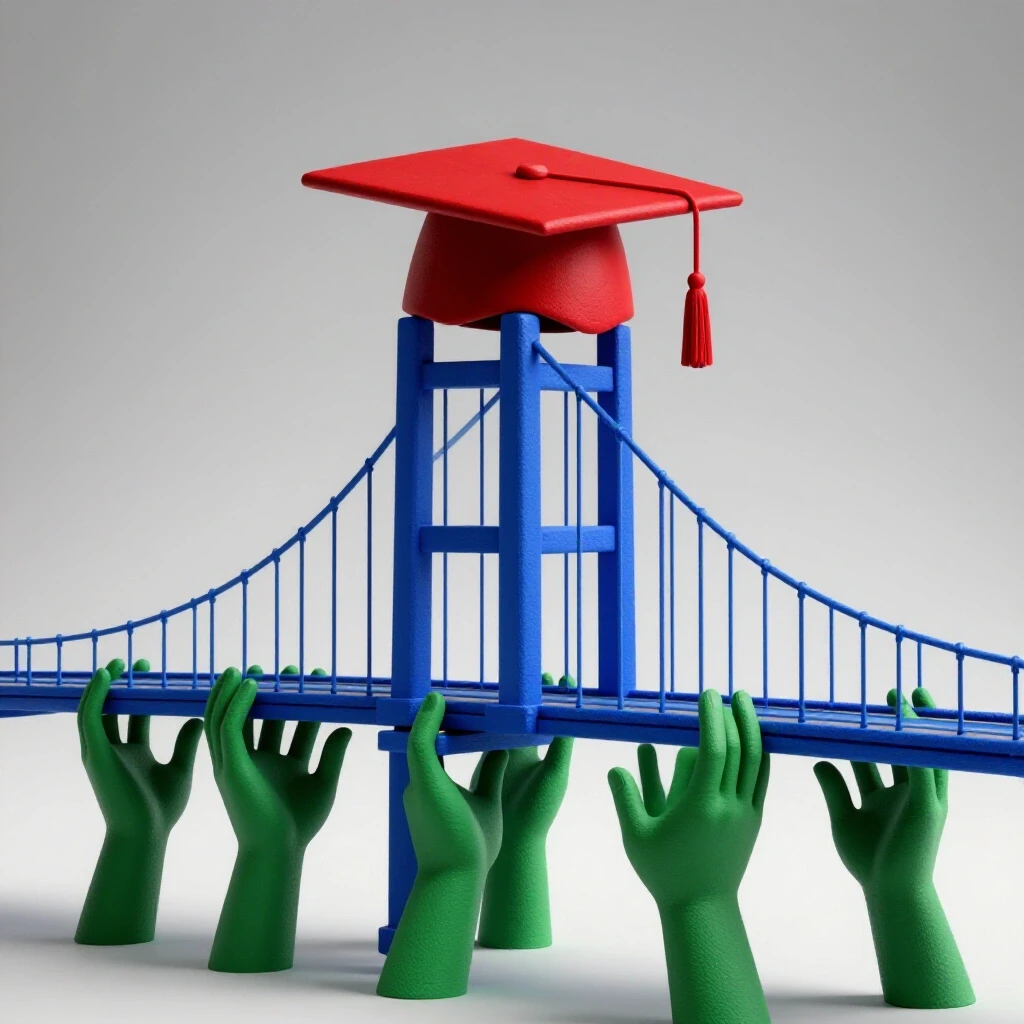
Kevin Gates’ Degree? (The Unseen Credential!)
Like they don’t get all the hard work, the struggles, and the victories that make you, you?
That’s what I want to explore today.
We often present layers to the world – the public persona versus the private self.
And sometimes, we judge people based on what we think we know, especially when it comes to something like education.
Let’s talk about Kevin Gates.
He’s a fascinating case study.
Is his worth defined by a piece of paper, or by something much deeper? Let’s dive in!

Section 1: Who is Kevin Gates?
Kevin Gates, born Kevin Jerome Gilyard, is more than just a rapper.
He’s a complex individual shaped by his early life in Baton Rouge, Louisiana.
Growing up wasn’t easy.
He faced challenges that many can’t even imagine.
But through it all, he found his voice through music.
Gates rose to fame with a unique style that blends hip-hop, R&B, and even a touch of country.
Think raw honesty mixed with catchy melodies.
His mixtapes and albums, like Luca Brasi Story and Islah, resonated with millions.
They topped charts and solidified his place in the music industry.
Key milestones?
- Luca Brasi Story (2013): This mixtape was a breakout moment, showcasing his signature blend of vulnerability and street smarts.
- Islah (2016): His debut studio album peaked at number two on the Billboard 200 chart, proving his mainstream appeal.
- “Really Really” (2015): This single became a viral sensation, introducing him to a wider audience.
But his journey hasn’t been without bumps.
Legal troubles have been a recurring theme, and he’s been open about his struggles with mental health.
He even spent time in prison.
Yet, through it all, Gates maintains a certain philosophy – a raw, unfiltered perspective on life that resonates deeply with his fans.
He’s not afraid to be himself, flaws and all.
Section 2: The Role of Education in the Music Industry
Now, let’s talk about education.
In the music industry, there are two main paths:
the traditional route and the unconventional one.
The traditional path often involves formal training – music school, performance degrees, or business degrees focused on the industry.
Think Berklee College of Music or NYU’s Clive Davis Institute of Recorded Music.
These programs offer structured learning, networking opportunities, and a certain level of credibility.
But then there’s the unconventional route.
This is where artists like Kevin Gates come in.
They often forge their own paths, learning through experience, mentorship, and self-directed study.
They might not have a formal degree, but they possess skills and knowledge that are just as valuable – if not more so.
There’s definitely a stigma surrounding artists without formal degrees.
Some people might assume they’re less intelligent, less capable, or less professional.
But that’s a narrow-minded view.
Think about it: the music industry values creativity, innovation, and authenticity.
These qualities can’t always be taught in a classroom.
And what about alternative forms of education?
Life experiences, for example, can be incredibly valuable.
Overcoming adversity, navigating the streets, building relationships – these are all lessons that can’t be found in a textbook.
Mentorship is another key factor.
Many successful artists have been guided by experienced producers, managers, or fellow musicians.
These mentors provide invaluable advice and support.
And let’s not forget self-directed learning.
In today’s digital age, anyone can learn anything they want online.
Artists can teach themselves how to produce music, market their brand, or manage their finances.
According to a study by the National Endowment for the Arts, artists are more likely than the general population to engage in self-directed learning.
This suggests that artists are proactive in acquiring the skills and knowledge they need to succeed, regardless of their formal education.
Section 3: The Unseen Credential: Kevin Gates’ Degree
So, what about Kevin Gates’ educational background?
This is where things get interesting.
There’s a lot of speculation online, but not much concrete information.
Some sources claim he attended Baton Rouge Community College, but there’s no official confirmation of whether he earned a degree.
It’s tough to verify these claims definitively.
Official records are often private, and Gates himself hasn’t always been forthcoming about his educational history.
But here’s the thing: does it really matter?
I believe in the concept of “unseen credentials.”
These are the skills, experiences, and knowledge gained outside traditional educational settings.
They’re the qualities that make someone valuable, regardless of their formal qualifications.
For Gates, these unseen credentials might include:
- Street Smarts: Navigating the challenges of his upbringing gave him a unique understanding of the world.
- Musical Talent: His innate ability to create catchy melodies and write relatable lyrics is undeniable.
- Business Acumen: He’s built a successful career from the ground up, demonstrating a keen understanding of the music industry.
- Resilience: Overcoming legal troubles and personal struggles has made him a stronger, more determined individual.
What does Gates himself say about education?
In various interviews, he’s emphasized the importance of learning and growth, but he hasn’t always focused on formal education.
He often speaks about learning from his mistakes, seeking knowledge from diverse sources, and continuously striving to improve himself.
For example, in an interview with Complex, he said, “I’m a student of life. I’m always learning, always growing.”
This suggests that he values education in a broader sense, rather than just focusing on formal degrees.
According to a 2019 study by Pew Research Center, approximately six-in-ten (62%) Americans say a college degree is very important for success in life.
However, this perception varies across different demographic groups and may not fully reflect the experiences of individuals in the music industry.
Section 4: The Impact of Social Media and Public Perception
Social media plays a huge role in shaping public perception of artists like Kevin Gates.
Platforms like Instagram, Twitter, and Facebook allow artists to connect directly with fans, share their stories, and control their narrative.
But social media can also be a double-edged sword.
It can be a source of misinformation, rumors, and negative criticism.
People often form opinions based on snippets of information they see online, without fully understanding the context.
Gates uses social media to connect with fans in a very authentic way.
He shares his thoughts, his struggles, and his triumphs.
He’s not afraid to be vulnerable and open, which resonates with many people.
But he also faces criticism and scrutiny online.
His past mistakes and controversial statements are often amplified and debated on social media.
This can create a distorted image of who he is as a person.
It’s important to remember that social media is just a highlight reel.
It doesn’t always reflect the full reality of someone’s life.
A study by the University of Southern California found that social media can significantly influence perceptions of celebrity authenticity.
The study suggests that artists who are perceived as genuine and transparent on social media are more likely to gain the trust and support of fans.
Section 5: The Philosophical Implications of Credentials
Let’s get philosophical for a moment.
What does it really mean to have a degree in today’s society?
Is it a guarantee of success?
Is it a measure of intelligence?
Or is it simply a piece of paper that opens certain doors?
Different theories of education offer different perspectives.
John Dewey, for example, emphasized the importance of experiential learning.
He believed that education should be practical and relevant to real-life situations.
Paulo Freire argued that education should be liberating, empowering individuals to challenge oppression and create a more just society.
Howard Gardner proposed the theory of multiple intelligences, suggesting that there are different ways of being smart.
Some people excel in math and science, while others are gifted in music, art, or interpersonal skills.
Gates embodies some of these theories through his life choices and career trajectory.
He’s a living example of experiential learning.
He’s used his experiences to create meaningful music and connect with a wide audience.
He challenges conventional notions of success by forging his own path, regardless of societal expectations.
He demonstrates a different kind of intelligence – a street smarts, emotional intelligence, and creative genius that can’t be measured by a standardized test.
Section 6: Case Studies and Comparisons
Let’s look at some other artists and public figures who have similar narratives regarding education and success.
Jay-Z, for example, never finished high school.
But he built a billion-dollar empire through his music, business ventures, and entrepreneurial spirit.
Oprah Winfrey overcame a difficult childhood to become one of the most influential media moguls in the world.
She didn’t have a traditional education, but she possessed a relentless drive and a passion for learning.
Richard Branson is a high school dropout who founded the Virgin Group, a multinational conglomerate with interests in everything from airlines to music.
These individuals demonstrate that success can be achieved through various paths, regardless of formal education.
Comparing their journeys with Gates’, we see common themes:
- Resilience: Overcoming adversity and never giving up.
- Creativity: Thinking outside the box and finding innovative solutions.
- Passion: Pursuing their dreams with unwavering dedication.
- Self-Belief: Believing in their own abilities and potential.
These qualities are just as important – if not more so – than a formal degree.
Section 7: Conclusion: Reframing Success and Education
So, what have we learned?
Throughout this article, we’ve explored the layers of Kevin Gates’ identity, his educational background, and the broader implications of success and education in today’s society.
We’ve seen that success is not solely defined by formal degrees.
It can be understood through a broader lens of personal growth, achievement, and contribution to the world.
Kevin Gates, as an artist and individual, exemplifies this reframed understanding of credentials and success.
He’s a complex, multifaceted person with a unique story to tell.
He may not have a traditional degree, but he possesses a wealth of knowledge, experience, and talent.
He’s a testament to the power of resilience, creativity, and self-belief.
I hope this article has given you a deeper appreciation for the layers that compose his identity.
And I hope it’s challenged you to rethink your own definition of success and education.
Remember, everyone’s journey is different.
What matters most is that you’re learning, growing, and striving to become the best version of yourself.