Jobs & Advanced Degrees (Urgent Skills Gap!)
Imagine this: what if we could predict the skills needed for the jobs of tomorrow and start teaching them today, not just in classrooms, but through immersive simulations and personalized learning paths?
That’s the game-changing idea I want to explore – a proactive education system powered by AI, where learning adapts to the individual and anticipates the needs of the future job market.
It’s about turning education into a living, breathing organism that evolves right alongside technology.
Think of it as “skills-on-demand,” not just a degree on a wall. Ready to dive in?
Section 1: The Current Job Landscape
Okay, let’s get real about where we stand right now.

The job market? It’s a rollercoaster! We’re seeing massive shifts driven by:
- Technological Advancements: AI, automation, and cloud computing are reshaping industries.
- Globalization: Companies are operating across borders, demanding a global skill set.
- Demographic Shifts: An aging workforce and changing birth rates are impacting labor supply.
Some sectors are booming. Tech, healthcare, and renewable energy are hiring like crazy. The skills in high demand? Think data analysis, cybersecurity, software development, and anything AI-related.
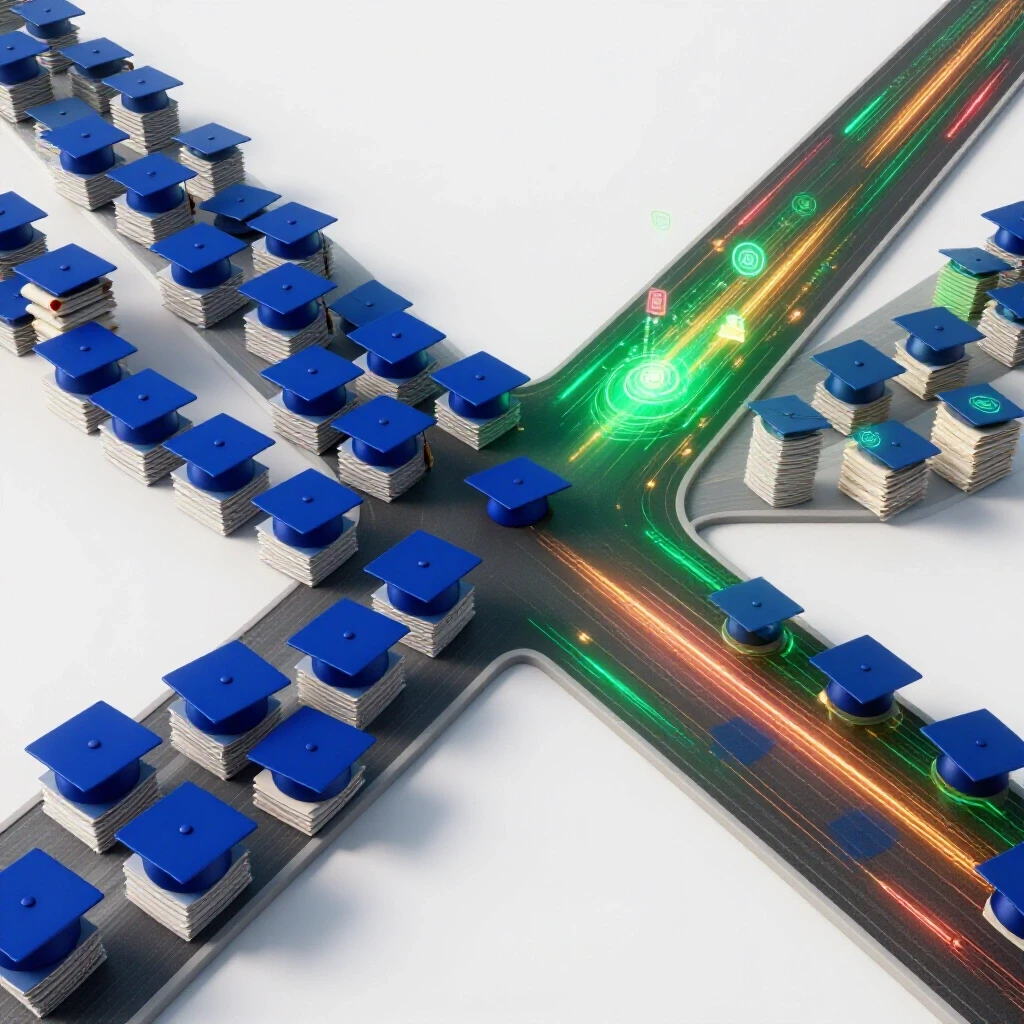
But here’s the kicker: there’s a huge gap between the jobs available and the people who have the skills to fill them.
According to a recent study by the World Economic Forum, over 50% of all employees will need reskilling by 2025.
(Source: The Future of Jobs Report 2023, World Economic Forum)
That’s a lot of people who need to level up.
I’ve seen firsthand how this plays out.
I was advising a recent graduate with a marketing degree.
She was struggling to find a job because most marketing roles now require proficiency in data analytics and digital marketing automation – skills she didn’t learn in her program.
It’s not that her degree was useless; it’s that the job market evolved faster than her curriculum.
Section 2: Understanding the Skills Gap
So, what exactly is this “skills gap” everyone’s talking about?
It’s basically the mismatch between the skills employers need and the skills job seekers possess.
It’s like trying to fit a square peg in a round hole.
Why is this happening? A few key reasons:
- Educational Shortcomings: Traditional education often lags behind industry advancements. Curricula can be slow to adapt, leaving graduates unprepared.
- Shifting Industry Needs: Technology is constantly evolving, creating demand for new skills that didn’t exist a few years ago.
- Socioeconomic Factors: Access to quality education and training is not equal. This can create a skills gap along socioeconomic lines.
The skills gap affects everyone. Recent grads struggle to find entry-level positions. Mid-career professionals face obsolescence if they don’t upskill.
People re-entering the workforce often find their skills are outdated.
I remember working with a manufacturing company that was struggling to adopt new automation technologies.
They had plenty of experienced workers, but none of them had the skills to program or maintain the new equipment.
They were facing a major skills gap that threatened their competitiveness.
The company ended up partnering with a local community college to create a customized training program for their employees.
It was a win-win: the workers gained valuable skills, and the company was able to implement the new technology.
Section 3: The Role of Advanced Degrees
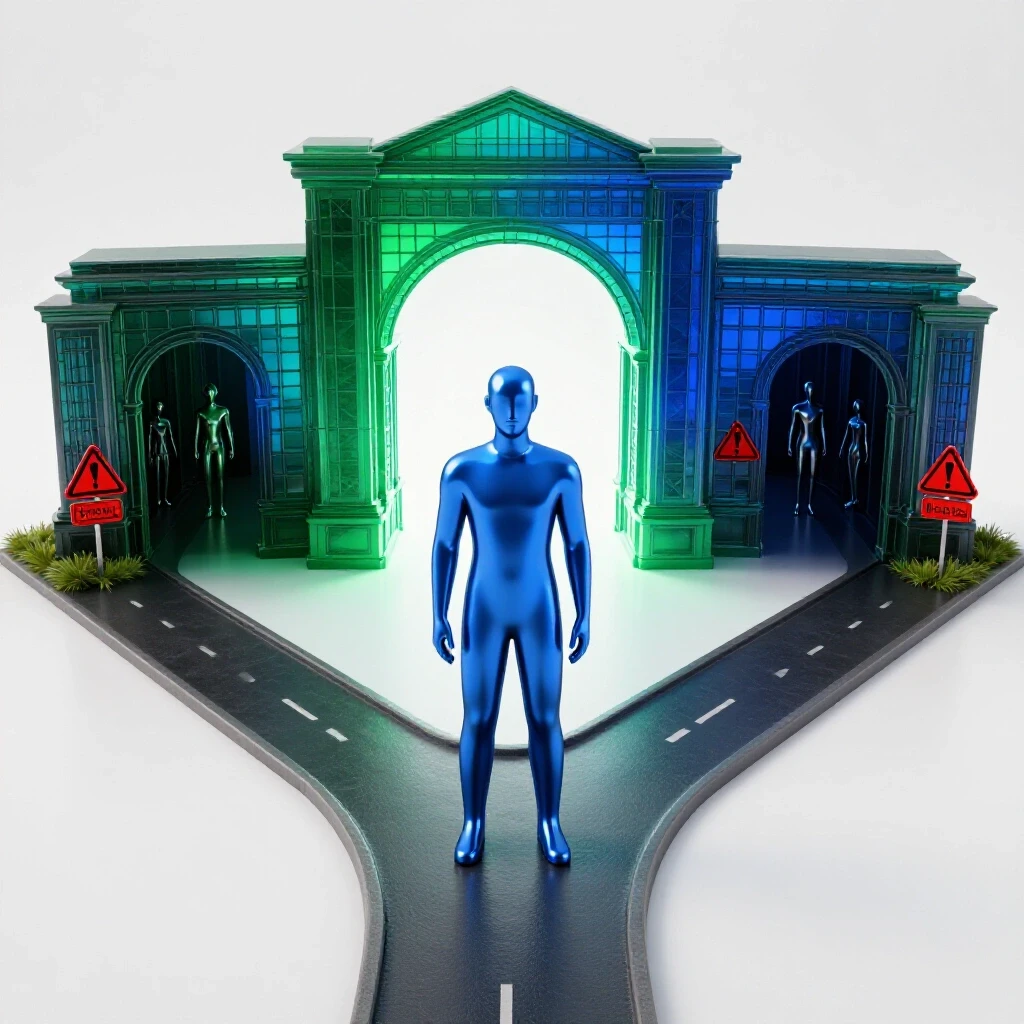
Now, let’s talk about advanced degrees. Are they always the answer to bridging the skills gap? Not necessarily.
In some fields, like medicine, law, or engineering, an advanced degree is practically a requirement.
You simply can’t practice these professions without the necessary qualifications.
However, in other fields, the value of an advanced degree is more nuanced.
For example, in the tech industry, practical skills and experience often trump formal education.
A coding bootcamp graduate with a strong portfolio might be more attractive to employers than someone with a master’s degree in computer science but limited practical experience.
That said, advanced degrees can be incredibly valuable in bridging the skills gap. They can provide:
- Specialized Knowledge: Advanced programs allow you to delve deeply into a specific area of expertise.
- Critical Thinking Skills: Graduate-level coursework often emphasizes critical thinking, problem-solving, and research skills.
- Networking Opportunities: Advanced degree programs provide opportunities to connect with faculty, industry professionals, and fellow students.
I spoke with Dr. Anya Sharma, a professor of educational technology, about this.
She emphasized that the value of an advanced degree depends on the individual’s goals and the specific field.
“An advanced degree can be a powerful tool for career advancement,” she said, “but it’s not a magic bullet.
It’s important to carefully consider your options and choose a program that aligns with your career goals and the needs of the job market.”
Section 4: Emerging Trends and Skills for 2025
Alright, let’s gaze into the crystal ball and talk about the skills that will be essential in 2025.
Here are some key trends to watch:
- Artificial Intelligence (AI): AI is transforming virtually every industry. Skills in AI development, machine learning, and data science will be in high demand.
- Remote Work: Remote work is here to stay. Companies will need employees who can work independently, communicate effectively online, and manage their time efficiently.
- The Gig Economy: The gig economy is growing. Freelancers and independent contractors will need skills in self-marketing, project management, and financial planning.
So, what specific skills will be crucial? I’m thinking:
- Data Literacy: The ability to understand, analyze, and interpret data.
- Digital Fluency: Comfort and proficiency with digital technologies.
- Critical Thinking: The ability to analyze information, solve problems, and make sound judgments.
- Creativity: The ability to generate new ideas and approaches.
- Emotional Intelligence: The ability to understand and manage emotions, both your own and others’.
I was recently reading a report by McKinsey that highlighted the growing importance of “soft skills” in the age of automation.
They argued that as machines take over more routine tasks, human skills like creativity, empathy, and critical thinking will become even more valuable.
Think about it: a robot can assemble a car, but it can’t design a marketing campaign that resonates with customers.
That’s where human creativity comes in.
Section 5: Innovative Solutions to Address the Skills Gap
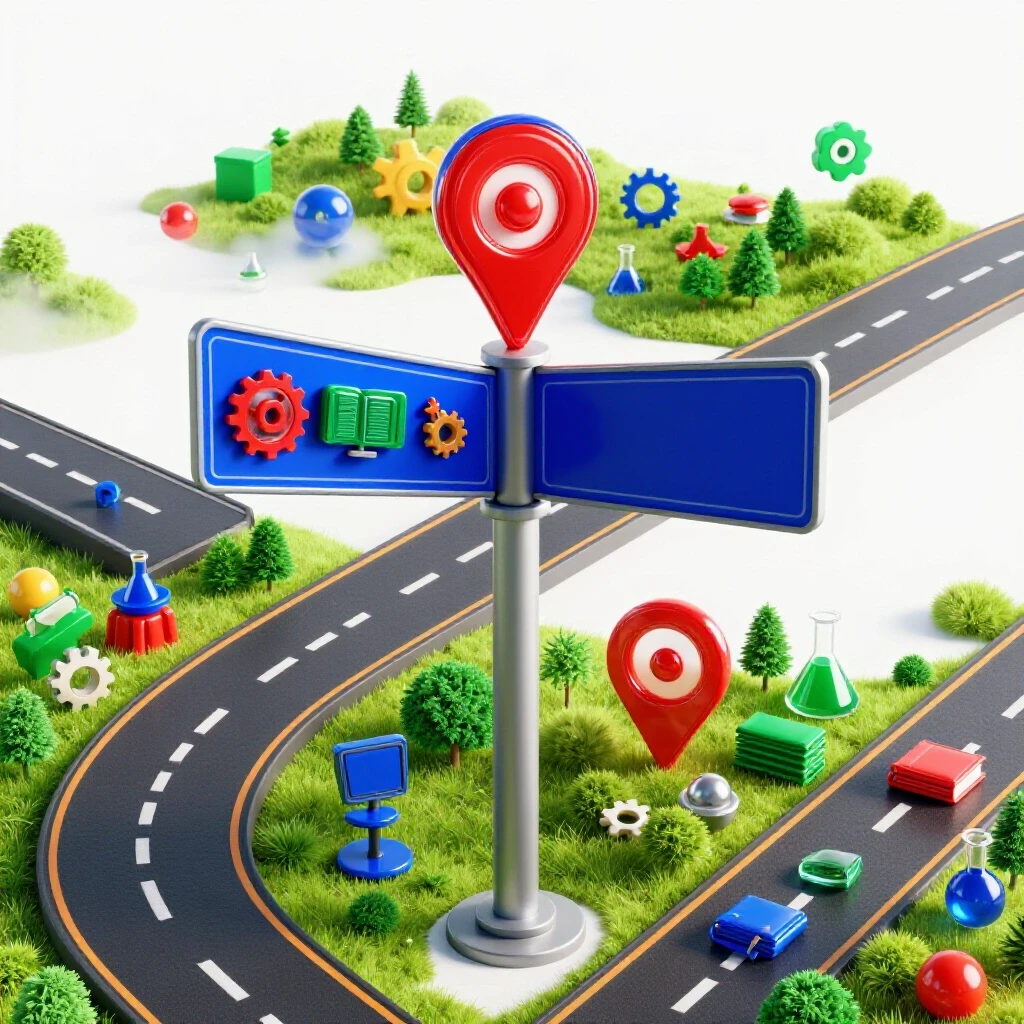
Okay, so we know there’s a problem. What are we doing about it? Thankfully, there are some innovative solutions emerging:
- New Educational Models: We’re seeing a shift
towards more personalized, competency-based learning.
This means focusing on what students can do, rather than just what they know. - Vocational Training Programs: These programs
provide hands-on training in specific trades and
industries.
They’re a great option for people who want to learn a skill quickly and enter the workforce. - Government Initiatives: Governments are investing
in programs to help people upskill and reskill.
This includes funding for training programs, tax incentives for employers who offer training, and initiatives to promote STEM education. - Technology in Education: Online learning platforms, virtual reality simulations, and AI-powered tutoring systems are transforming the way we learn.
I’m particularly excited about the potential of industry partnerships.
When companies work directly with educational institutions to develop training programs, it ensures that the curriculum is aligned with the needs of the job market.
For example, I know of a local hospital that partnered with a community college to create a nursing program.
The hospital provided clinical experience for the students, and the college tailored the curriculum to meet the hospital’s specific needs.
It was a win-win for both the students and the hospital.
There are some cool online platforms that are using AI to personalize learning.
These platforms can assess a student’s strengths and weaknesses and then create a customized learning path that focuses on the skills they need to develop.
Conclusion
So, let’s recap. The skills gap is a real and pressing problem.
It’s driven by rapid technological advancements, globalization, and demographic shifts.
Advanced degrees can be valuable in bridging the gap, but they’re not always the answer.
The key is to focus on developing the skills that will be in demand in the future, such as data literacy, digital fluency, and critical thinking.
Remember that game-changing idea I mentioned at the beginning – a proactive education system powered by AI?
I believe that’s the key to solving the skills gap.
By using AI to predict future skill needs and personalize learning, we can create a workforce that is ready for anything.
But it’s not just up to educators.
Policymakers, industry leaders, and individuals all have a role to play.
We need to invest in education and training, create partnerships between industry and education, and encourage lifelong learning.
The future of work is uncertain, but one thing is clear: the skills gap is a challenge we must address.
By working together, we can create a more adaptive and skilled workforce that is ready for the challenges of 2025 and beyond.