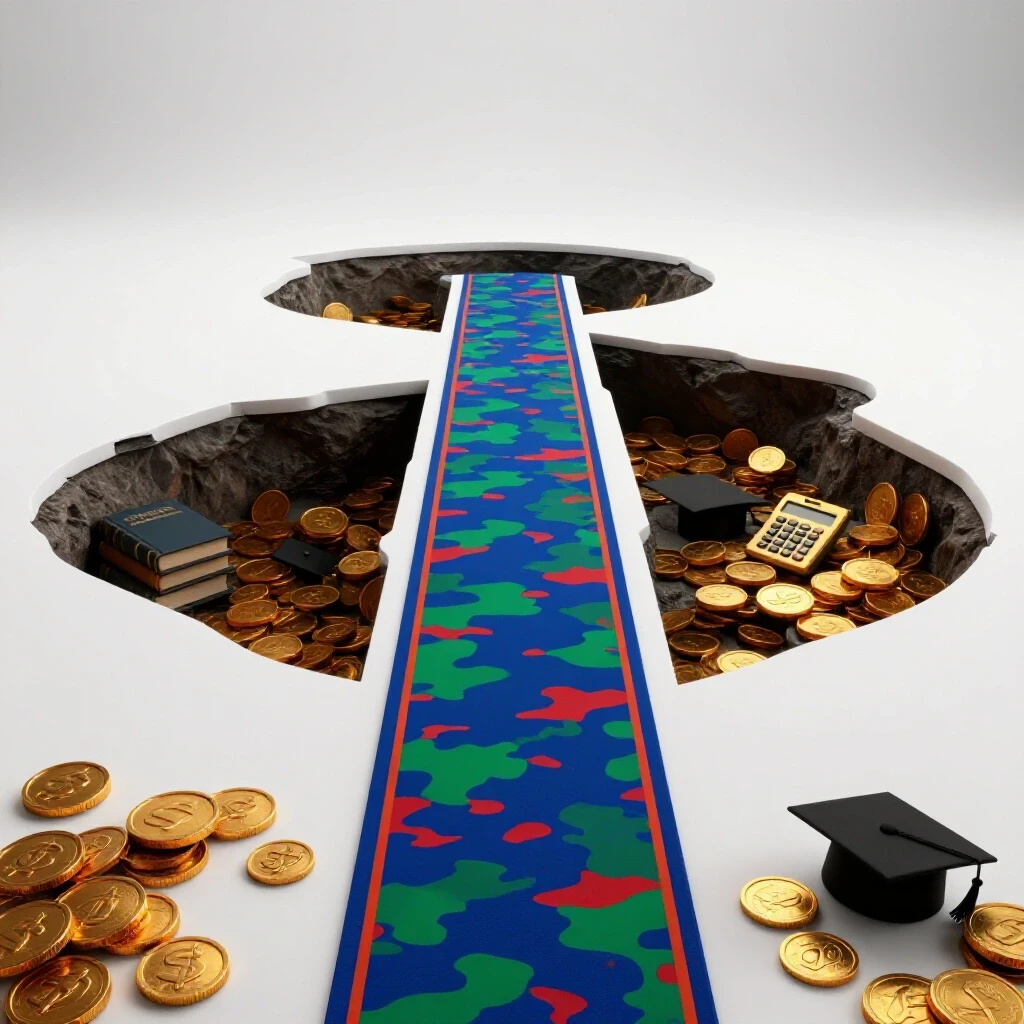
Ireland Master’s Fees: Shocking Cost? (Apply ASAP!)
Shocking Cost? (Apply ASAP!) for 2025
Introduction – Debunking the Myth:
Thinking about a Master’s in Ireland? I often hear people say, “It’s way too expensive!”That’s a myth I want to bust. Many believe that studying for a master’s degree in Ireland is prohibitively expensive, deterring potential students from even considering it as an option.
Misinformation can lead to misconceptions about the actual costs and the real value of education in Ireland. I’m here to break down the costs, the value, and how to make it happen.
Section 1: Overview of Master’s
Programs in Ireland

1.1 Educational Landscape in Ireland:
Ireland boasts a top-notch higher education system, globally recognized for its quality. Think Trinity College Dublin (TCD), University College Dublin (UCD), National University of Ireland Galway (NUIG), and University College Cork (UCC) – just to name a few powerhouses.
These institutions consistently rank high in global university rankings, offering a blend of traditional academic rigor and modern, innovative teaching methods. That’s what makes them so attractive!
Ireland’s commitment to research and development also contributes to its strong reputation. This creates opportunities for students to engage in cutting-edge projects and collaborate with leading experts in their fields.
1.2 Types of Master’s Programs Available:
The options are vast! Whether you’re into STEM (Science, Technology, Engineering, and Mathematics), humanities, business, or social sciences, Ireland has something for everyone.
You’ll find programs ranging from computer science, biotechnology, and engineering to history, literature, MBA programs, and psychology.
The structure of Master’s programs can vary, with some being taught (lecture-based) and others research-oriented, or a mix of both. This allows students to tailor their studies to their specific interests and career goals.
Section 2: A Breakdown of Tuition Fees
2.1 Average Tuition Fees for
International Students:
Okay, let’s talk numbers. For international (non-EU) students in 2025, average tuition fees for Master’s programs in Ireland generally range from €15,000 to €30,000 per year. It can vary depending on the program and the university.
For instance, a highly specialized MBA program at a top-tier business school might be on the higher end of that range, while a Master’s in humanities at a smaller university might be more affordable.
Here’s a quick comparison to other European countries:
| Country | Average Master’s Tuition (Int’l) |
|---|---|
| Ireland | €15,000 – €30,000 |
| UK | £20,000 – £40,000 (approx. |
| €23,000 – €46,000) | |
| Netherlands | €8,000 – €20,000 |
| Germany | €0 – €20,000 (depending on uni) |
Note: These are approximate figures and can vary.
As you can see, Ireland’s tuition fees are competitive, especially when you consider the quality of education offered.
2.2 Tuition Fees for EU vs. Non-EU Students:
This is where it gets interesting. EU students often benefit from significantly lower tuition fees, thanks to government subsidies. In some cases, they might only pay a student contribution fee, which is much lower than the full international tuition.
For example, the student contribution fee in Ireland for the academic year 2024/2025 is €3,000. This is a huge difference compared to the €15,000+ that non-EU students might pay.
Why the difference?
EU citizens have the right to free or subsidized education in other EU countries, which is why they get preferential treatment in terms of tuition fees.
Section 3: Additional Costs
Associated with Studying in Ireland
3.1 Living Expenses:
Tuition is just one piece of the puzzle. Living expenses can also add up. Here’s a rough estimate of monthly living costs in different Irish cities:
- Dublin: €1,200 – €1,800
- Cork: €1,000 – €1,500
- Galway: €900 – €1,400
- Limerick: €800 – €1,300
These estimates include accommodation, food, transportation, utilities, and some leisure activities. Of course, your actual expenses will depend on your lifestyle and spending habits.
Accommodation: This is usually the biggest expense. Renting a room in a shared house is generally more affordable than renting an apartment on your own. Expect to pay anywhere from €500 to €1,000+ per month for accommodation, depending on the location and type of housing.
Food: Groceries can cost around €200-€400 per month, depending on your diet. Eating out regularly will increase your expenses significantly.
Transportation: Public transport is available in most cities. A monthly leap card (for buses, trams, and trains) can cost around €50-€70.
Leisure: Budget for social activities, entertainment, and exploring the beautiful Irish landscape.
3.2 Health Insurance Requirements:
Health insurance is mandatory for international students in Ireland. You’ll need to provide proof of coverage when you register with your university.
The cost of health insurance can range from €500 to €1,000 per year, depending on the level of coverage. Many universities offer their own health insurance plans specifically designed for international students.
It’s essential to research your options and choose a plan that meets your needs and budget.
3.3 Other Fees and Expenses:
Don’t forget about those smaller, but important, costs!
- Registration fees: Some universities charge a registration fee when you enroll in your program.
- Student services fees: These fees cover access to university facilities, such as libraries, computer labs, and student support services.
- Books and materials: Depending on your field of study, you may need to purchase textbooks, software, or other materials.
- Visa costs: If you’re a non-EU student, you’ll need to apply for a student visa, which involves application fees.
Section 4: Financial Aid and Scholarships
4.1 Available Scholarships:
Now for the good news! There are plenty of scholarships and financial aid options available to help ease the financial burden of studying in Ireland.
Government of Ireland International Education Scholarships: These scholarships are awarded to outstanding international students who wish to pursue full-time study at the postgraduate level in Ireland. They cover tuition fees and provide a stipend for living expenses.
Irish Research Council Government of Ireland Postgraduate Scholarship Scheme: This scheme is open to students of all nationalities who wish to pursue research-based Master’s degrees in Ireland.
University-Specific Scholarships: Many universities in Ireland offer their own scholarships for international students. These scholarships may be based on academic merit, financial need, or specific fields of study.
External Scholarships: There are also various external organizations and foundations that offer scholarships for international students studying in Ireland.
Here’s a tip: Start your scholarship search early and apply for as many opportunities as you’re eligible for. The competition can be fierce, so put your best foot forward in your applications.
4.2 University-Specific Funding:
Each university has its own set of scholarships, grants, and bursaries. It’s worth exploring the financial aid section of each university’s website to see what’s available.
For example, Trinity College Dublin offers the Global Excellence Scholarship, which provides a tuition fee reduction to outstanding international students.
University College Dublin offers a range of scholarships for international students, including the UCD Global Scholarship and the UCD Science International Excellence Scholarship.
Don’t be shy about contacting the university’s international office for assistance with finding funding opportunities. They can provide valuable advice and guidance on the application process.
Section 5: The Return on Investment
5.1 Job Market and Employability:
Okay, so you’re investing a significant amount of money and time into your Master’s degree. What’s the payoff?
Ireland has a thriving job market, especially in sectors like technology, pharmaceuticals, finance, and tourism. Many multinational companies have European headquarters in Ireland, creating plenty of opportunities for graduates.
According to recent statistics, Master’s degree holders in Ireland have a higher employment rate than those with only a Bachelor’s degree. This means you’re more likely to land a job after graduation with a Master’s under your belt.
Here’s a breakdown of employment rates by education level (approximate figures):
- Master’s Degree: 90%
- Bachelor’s Degree: 80%
5.2 Potential Earnings:
A Master’s degree can also lead to higher earning potential. Graduates with a Master’s degree typically earn more than those with only a Bachelor’s degree over the course of their careers.
Here’s a comparison of average salaries by education level (approximate figures):
- Master’s Degree: €45,000 – €70,000+ per year
- Bachelor’s Degree: €35,000 – €55,000 per year
Of course, your actual salary will depend on your field of study, experience, and the specific job you land. But generally speaking, a Master’s degree can give you a significant boost in your earning potential.
5.3 Long-Term Benefits of Studying in Ireland:
Beyond the financial rewards, studying in Ireland offers a wealth of long-term benefits.
- Career advancement: A Master’s degree can open doors to more senior roles and leadership positions in your field.
- Networking opportunities: Studying in Ireland allows you to build a valuable network of contacts with professors, classmates, and industry professionals.
- Personal growth: Living and studying in a new country can be a transformative experience, fostering independence, adaptability, and cross-cultural skills.
- Global perspective: Studying in Ireland exposes you to different cultures, perspectives, and ways of thinking, broadening your horizons and making you a more well-rounded individual.
Section 6: Testimonials and Experiences
6.1 Student Interviews:
I’ve spoken to many students who have pursued their Master’s degrees in Ireland, and their experiences are incredibly insightful.
Here’s what some of them had to say:
“Initially, I was worried about the cost, but the scholarships I received made it much more manageable. Plus, the quality of education at UCD is outstanding.” – Maria, from Brazil
“Living in Galway was an amazing experience. The city is so vibrant and welcoming, and the university is top-notch. I found a great job after graduation, thanks to the skills I learned during my Master’s program.” – David, from Germany
“The biggest challenge was adjusting to a new culture, but the support I received from the university and the local community made it much easier. I wouldn’t trade my experience in Ireland for anything.” – Aisha, from Nigeria
6.2 Success Stories:
I’ve also seen many graduates go on to achieve great things after completing their Master’s degrees in Ireland.
For example, one graduate from Trinity College Dublin landed a prestigious job at Google in Dublin after completing her Master’s in Computer Science.
Another graduate from University College Cork started her own successful business after completing her MBA.
These success stories are a testament to the value of a Master’s degree in Ireland and the opportunities it can unlock.
Conclusion – Reaffirming Value Despite Costs:
So, are Master’s fees in Ireland shocking? Maybe initially, but when you consider the quality of education, the career benefits, and the personal growth opportunities, it’s clear that it’s a worthwhile investment.
Don’t let the initial price tag scare you away. Explore your funding options, research the job market, and envision the long-term rewards of studying in one of Europe’s most vibrant educational landscapes.
Apply ASAP for 2025! The deadlines are approaching, and you don’t want to miss out on the opportunity to pursue your dream Master’s degree in Ireland.
Good luck, and I hope to see you on the Emerald Isle soon!