Interior Arch Degree Jobs? (Hidden Roles Revealed!)
It’s not just about picking pretty colors and arranging furniture, you know?
I’m here to tell you it’s way more than that, especially looking ahead to 2025.
Expert Tip: Networking is everything. Seriously.
Don’t underestimate the power of chatting with pros at industry events, workshops, and even internships.
Those connections can unlock doors to amazing opportunities you never even knew existed!
1. Understanding Interior Architecture
So, what is interior architecture, anyway?
It’s basically the art and science of designing the inside of buildings.
Think about how people interact with spaces, how light affects mood, and how materials impact the overall experience.
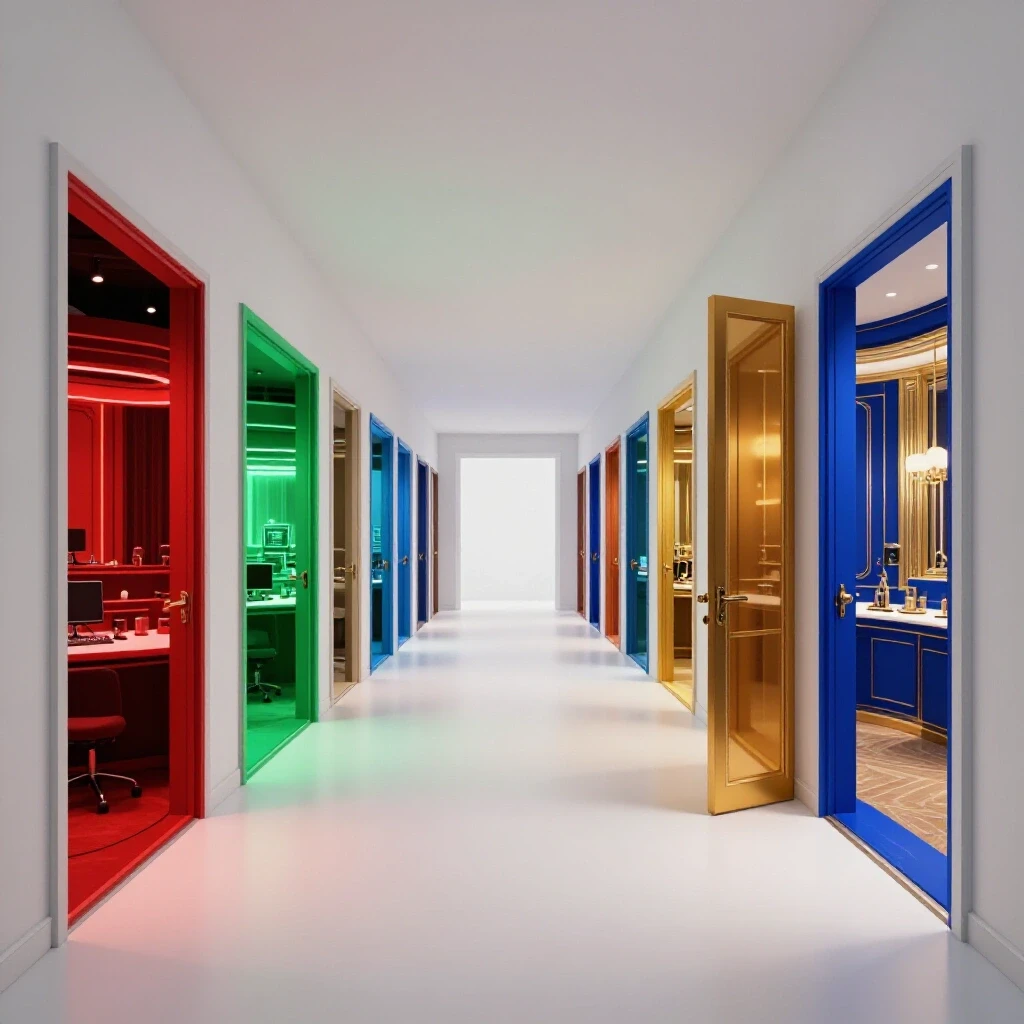
That’s interior architecture in a nutshell.
It’s about creating functional, beautiful, and sustainable environments.
Interior Design vs. Interior Architecture:
What’s the difference? Good question!
Interior design often focuses on the aesthetics and finishes of a space.
Think furniture, fabrics, and decorative elements.
Interior architecture, on the other hand, takes a more holistic approach.
It considers the structure of the building, the flow of space, and the integration of systems like lighting, HVAC, and acoustics.
An interior architecture degree gives you a solid foundation in both the theoretical and practical aspects of creating interior spaces.
You’ll learn about building codes, construction methods, and sustainable design principles, as well as design theory, space planning, and material selection.
2. The Landscape of Interior
Architecture Jobs in 2025
Okay, let’s talk about the job market. What’s it looking like for interior architecture grads in 2025?
Well, the good news is that the demand for skilled interior architects is expected to grow.
According to the U.S.
Bureau of Labor Statistics, employment of interior designers is projected to grow 4% from 2022 to 2032.
That’s about average for all occupations, but it’s still growth!
And I think that number will be higher for interior architects, considering the increasing complexity of building projects and the growing focus on sustainability.
Technological Advancements:
Technology is changing everything, and interior architecture is no exception.
Here are a few key trends to keep an eye on:
- Virtual Reality (VR) and Augmented Reality (AR):
These technologies are revolutionizing the way
designers present their ideas and collaborate
with clients.
Imagine being able to walk through a virtual model of a building before it’s even built! - Building Information Modeling (BIM): BIM
software allows architects and designers to
create detailed 3D models of buildings,
incorporating structural, mechanical, and
electrical systems.
This helps to improve coordination and reduce errors during construction. - Sustainable Design: With growing concerns
about climate change, sustainable design is
becoming increasingly important.
Interior architects need to be knowledgeable about green building materials, energy-efficient design strategies, and indoor air quality.
3. Traditional Roles for Interior
Architecture Graduates
Alright, let’s dive into some of the traditional career paths for interior architecture grads.
These are the jobs you’re probably already familiar with:
- Interior Designer: This is the most common
career path.
Interior designers work on a wide range of projects, from residential renovations to commercial office spaces.
They’re responsible for creating functional, aesthetically pleasing, and safe interior environments. - Space Planner: Space planners specialize in
optimizing the use of space within buildings.
They analyze how people use space, identify areas for improvement, and develop plans for reconfiguring layouts. - Architectural Technologist: Architectural
technologists work closely with architects to
develop detailed construction drawings and
specifications.
They need to have a strong understanding of building codes, construction methods, and materials. - Project Manager: Project managers oversee the
entire design and construction process, ensuring
that projects are completed on time, within
budget, and to the client’s satisfaction.
They need to have excellent communication, organizational, and problem-solving skills.
Let’s break down each role a bit more:
Interior Designer:
- Job Responsibilities:
- Meeting with clients to discuss their needs and preferences
- Developing design concepts and presenting them to clients
- Creating detailed drawings and specifications
- Selecting furniture, finishes, and accessories
- Overseeing the installation of design elements
- Necessary Skills:
- Creativity and artistic ability
- Strong communication and interpersonal skills
- Knowledge of design principles, building codes, and materials
- Proficiency in CAD software and other design tools
- Potential Employers:
- Interior design firms
- Architectural firms
- Retail stores
- Hospitality companies
- Residential developers
Space Planner:
- Job Responsibilities:
- Analyzing how people use space within buildings
- Identifying areas for improvement
- Developing plans for reconfiguring layouts
- Presenting space plans to clients
- Ensuring that space plans comply with building codes and regulations
- Necessary Skills:
- Strong analytical and problem-solving skills
- Knowledge of space planning principles
- Proficiency in CAD software
- Excellent communication and presentation skills
- Potential Employers:
- Architectural firms
- Corporate real estate departments
- Healthcare facilities
- Educational institutions
- Government agencies
Architectural Technologist:
- Job Responsibilities:
- Developing detailed construction drawings and specifications
- Ensuring that drawings comply with building codes and regulations
- Coordinating with engineers and other consultants
- Reviewing shop drawings and submittals
- Conducting site inspections
- Necessary Skills:
- Strong technical skills
- Knowledge of building codes, construction methods, and materials
- Proficiency in CAD and BIM software
- Attention to detail
- Potential Employers:
- Architectural firms
- Engineering firms
- Construction companies
- Government agencies
Project Manager:
- Job Responsibilities:
- Planning and coordinating design and construction projects
- Developing project budgets and schedules
- Managing project teams
- Communicating with clients and stakeholders
- Ensuring that projects are completed on time, within budget, and to the client’s satisfaction
- Necessary Skills:
- Excellent communication, organizational, and problem-solving skills
- Knowledge of project management principles
- Ability to work under pressure
- Leadership skills
- Potential Employers:
- Architectural firms
- Construction companies
- Real estate developers
- Government agencies
4. Hidden Roles in Interior Architecture
Okay, now for the really interesting stuff!
Let’s explore some of the lesser-known, “hidden” roles that you might not have considered.
These are the jobs that can really set you apart and allow you to use your interior architecture skills in unique and innovative ways.
- Environmental Designer: Focuses on creating sustainable and healthy indoor environments.
- User Experience (UX) Designer for physical spaces: Applies UX principles to the design of physical spaces, ensuring that they are user-friendly and intuitive.
- Furniture Designer: Designs and develops new furniture products for residential, commercial, or institutional use.
- Lighting Designer: Specializes in the design of lighting systems for interior and exterior spaces.
- Historic Preservationist: Works to preserve and restore historic buildings and interiors.
Let’s dive deeper into each of these hidden roles:
Environmental Designer:
- Description: Environmental designers focus on
creating sustainable and healthy indoor
environments.
They consider factors such as indoor air quality, lighting, acoustics, and material selection to create spaces that promote well-being and reduce environmental impact. - Skills and Qualifications:
- Knowledge of sustainable design principles
- Understanding of building science
- Familiarity with green building rating systems (e.g., LEED, WELL)
- Ability to assess indoor environmental quality
- Examples of Projects/Tasks:
- Selecting low-VOC (volatile organic compounds) materials
- Designing natural ventilation systems
- Specifying energy-efficient lighting
- Conducting indoor air quality testing
- Potential Career Pathways:
- Sustainability consultant
- Green building specialist
- Indoor environmental quality manager
User Experience (UX) Designer for Physical Spaces:
- Description: UX designers apply user-centered
design principles to the creation of physical
spaces.
They focus on understanding how people interact with spaces and designing environments that are user-friendly, intuitive, and enjoyable. - Skills and Qualifications:
- Knowledge of UX design principles
- Understanding of human behavior and psychology
- Ability to conduct user research and testing
- Proficiency in design software (e.g., Sketch, Figma)
- Examples of Projects/Tasks:
- Designing wayfinding systems for hospitals
- Creating intuitive layouts for retail stores
- Optimizing the flow of traffic in airports
- Developing accessible designs for people with disabilities
- Potential Career Pathways:
- UX architect
- Spatial experience designer
- Environmental psychologist
Furniture Designer:
- Description: Furniture designers create new
furniture products for residential, commercial,
or institutional use.
They consider factors such as aesthetics, ergonomics, functionality, and materials to create furniture that is both beautiful and practical. - Skills and Qualifications:
- Creativity and artistic ability
- Knowledge of furniture design principles
- Understanding of manufacturing processes
- Proficiency in 3D modeling software
- Examples of Projects/Tasks:
- Designing a new line of office chairs
- Developing a modular sofa system
- Creating a sustainable furniture collection
- Prototyping and testing furniture designs
- Potential Career Pathways:
- Industrial designer
- Product designer
- Furniture maker
Lighting Designer:
- Description: Lighting designers specialize in
the design of lighting systems for interior and
exterior spaces.
They consider factors such as energy efficiency, visual comfort, and aesthetics to create lighting that enhances the functionality and beauty of spaces. - Skills and Qualifications:
- Knowledge of lighting principles
- Understanding of lighting technologies
- Ability to create lighting plans and specifications
- Proficiency in lighting design software
- Examples of Projects/Tasks:
- Designing lighting for a museum exhibit
- Creating energy-efficient lighting for an office building
- Developing a lighting plan for a residential landscape
- Conducting lighting calculations and simulations
- Potential Career Pathways:
- Architectural lighting designer
- Theatrical lighting designer
- Daylighting consultant
Historic Preservationist:
- Description: Historic preservationists work to
preserve and restore historic buildings and
interiors.
They have a deep understanding of historic building materials, construction techniques, and design styles. - Skills and Qualifications:
- Knowledge of architectural history
- Understanding of historic building materials and construction techniques
- Ability to conduct historical research
- Familiarity with preservation standards and guidelines
- Examples of Projects/Tasks:
- Restoring a historic building façade
- Rehabilitating a historic interior
- Conducting historical research on a building
- Developing preservation plans and strategies
- Potential Career Pathways:
- Preservation architect
- Historic site manager
- Museum curator
5. The Impact of Sustainability on
Interior Architecture Jobs
Sustainability isn’t just a buzzword, it’s a necessity.
And it’s having a huge impact on the interior architecture job market.
Clients are increasingly demanding sustainable design practices, and employers are looking for graduates who have the knowledge and skills to deliver them.
Here are some roles focused on sustainability:
- Green Building Certification Specialist: Helps clients achieve green building certifications such as LEED (Leadership in Energy and Environmental Design).
- Sustainable Materials Consultant: Advises clients on the selection of sustainable building materials.
- Energy-Efficient Design Consultant: Specializes in designing energy-efficient buildings and systems.
Why is this so important?
Well, buildings are responsible for a significant portion of global energy consumption and greenhouse gas emissions.
By designing more sustainable buildings, we can reduce our environmental impact and create healthier and more comfortable spaces for people to live and work in.
6. The Role of Technology in Shaping
Careers
I touched on this earlier, but it’s worth emphasizing: technology is transforming the interior architecture profession.
If you want to be successful in this field, you need to be tech-savvy.
Here are some key technologies to master:
- BIM (Building Information Modeling): BIM is essential for creating detailed 3D models of buildings and coordinating with other professionals.
- CAD (Computer-Aided Design): CAD software is used for creating 2D and 3D drawings.
- 3D Modeling: 3D modeling software allows you to create realistic visualizations of your designs.
How does technology create new opportunities?
Well, it allows you to:
- Work more efficiently: Technology can automate many of the tasks that used to be done manually, freeing up your time to focus on creative design.
- Collaborate more effectively: Technology makes it easier to share information and collaborate with clients, consultants, and contractors.
- Create more innovative designs: Technology allows you to explore new design possibilities and create spaces that are more functional, beautiful, and sustainable.
7. Freelancing and Entrepreneurship in
Interior Architecture
Want to be your own boss?
Freelancing and entrepreneurship are becoming increasingly popular options for interior architecture graduates.
With the rise of online platforms and the gig economy, it’s easier than ever to start your own business.
Here are some possibilities:
- Start your own interior design practice: Offer your services to residential or commercial clients.
- Become a consultant: Provide specialized expertise in areas such as sustainable design or space planning.
- Design and sell your own products: Create furniture, lighting, or other interior design products.
What are the advantages of freelancing and entrepreneurship?
- Flexibility: You can set your own hours and work from anywhere.
- Control: You have complete control over your business and your career.
- Potential for higher earnings: You can earn more money than you would working for someone else.
8. Global Opportunities in Interior
Architecture
Don’t limit yourself to your local area!
Interior architecture is a global profession, and there are opportunities to work all over the world.
Different countries have different design styles, building codes, and cultural preferences.
Working abroad can be a great way to broaden your horizons, learn new skills, and experience different cultures.
What are some popular destinations for interior architects?
- Europe: Known for its rich history and diverse architectural styles.
- Asia: A rapidly growing market with a strong demand for modern and sustainable design.
- The Middle East: Home to many ambitious development projects.
9. The Future of Interior Architecture Jobs
So, what does the future hold for interior architecture jobs?
I predict that the following trends will shape the profession in the next five years:
- Increased focus on sustainability: As I’ve mentioned, sustainability will continue to be a major driver of change.
- Greater use of technology: Technology will become even more integrated into the design process.
- More emphasis on user experience: Designers will need to be more focused on creating spaces that are user-friendly and enjoyable.
- Growing demand for specialized skills: Employers will be looking for graduates with expertise in areas such as sustainable design, lighting design, and UX design.
How can you prepare for these changes?
- Stay up-to-date on the latest trends: Read industry publications, attend conferences, and take continuing education courses.
- Develop your technical skills: Master BIM, CAD, and 3D modeling software.
- Gain experience in specialized areas: Seek out internships or volunteer opportunities in areas that interest you.
- Build your network: Connect with other professionals in the field.
10. Conclusion
Wow, we’ve covered a lot of ground!
Let’s recap the key takeaways:
- Interior architecture is a dynamic and rewarding profession.
- The job market for interior architecture grads is expected to grow in the coming years.
- There are many traditional and hidden roles available to interior architecture graduates.
- Sustainability and technology are transforming the profession.
- Freelancing and entrepreneurship are viable career paths.
- Global opportunities abound.
- The future of interior architecture is bright!
While traditional roles will always be there, the real excitement lies in uncovering those hidden opportunities.
So, go out there, explore your options, and create a career that you’re passionate about! Good luck!