Free Online Doctorate? (Is It a Scam, Doc?)
In a world where knowledge is power, the promise of a free online doctorate seems too good to be true—yet, as we approach 2025, this dream raises more questions than it answers.
Let’s dive into how online education has transformed over the years.From Humble Beginnings
I remember when online learning was just starting out. It was mostly basic courses, and the technology wasn’t great.
Think back to the early days of the internet. It was all dial-up modems and clunky websites. Online education mirrored that era.
Early online courses were often text-heavy, with limited interaction. The focus was on delivering content, not creating an engaging learning environment.

The Rise of Online Degrees
Fast forward to today, and it’s a whole new ballgame. Online degrees, especially doctorates, are becoming increasingly popular and accepted.
What changed? Well, technology got a lot better. We now have high-speed internet, interactive video conferencing, and sophisticated learning management systems.
These advancements have made online learning more accessible, flexible, and effective. More and more people are now opting for online education to advance their careers.
Key Players in the Industry
You’ve got your traditional universities that now offer online programs. Institutions like Harvard, Stanford, and MIT have all jumped on the bandwagon.
Then there are the online-only institutions like University of Phoenix, Capella University, and Western Governors University (WGU). These schools were built from the ground up to deliver education online.
These key players have significantly shaped the online education landscape, making it more diverse and accessible.
According to a 2023 report by HolonIQ, the online education market is projected to reach $325 billion by 2025.
That’s a huge number, showing just how much online education has grown and how important it has become.
Section 2: The Concept of
Free Online Doctorates
So, what exactly do we mean by a “free online doctorate”? Is it even possible?
Defining “Free”
When we talk about “free,” we need to be clear about what that means. Does it mean completely free, with no tuition or fees?
Or does it mean low-cost, with scholarships, grants, or other forms of financial aid covering the costs?
Often, “free” comes with strings attached. You might need to work for the university or a sponsoring organization in exchange for tuition coverage.
Business Models
How can a program afford to offer a doctorate for free? There are a few possible business models that might make it work.
Government Funding: Some programs might be funded by government grants or initiatives aimed at promoting education in specific fields.
Corporate Sponsorship: Companies might sponsor doctoral programs to train future employees or to support research in areas relevant to their business.
Nonprofit Organizations: Nonprofit organizations might offer free or low-cost doctorates as part of their mission to promote education and social good.
MOOCs and Free Courses
You’ve probably heard of MOOCs—Massive Open Online Courses. Platforms like Coursera, edX, and Udacity offer tons of free courses.
While these courses don’t typically lead to a full doctorate, they can be a great way to learn new skills and explore different fields of study.
Some universities even offer credit for certain MOOCs, which can be applied towards a degree.
These platforms provide a taste of what online learning is like and can be a stepping stone towards more advanced studies.
Section 3: The Legitimacy of
Free Online Doctorate Programs
Okay, let’s get to the heart of the matter. Are these free online doctorate programs legit?
Accreditation Matters
Accreditation is crucial. It’s like a seal of approval from a recognized educational body, ensuring that the program meets certain quality standards.
Accreditation bodies like the Higher Learning Commission (HLC) or the New England Commission of Higher Education (NECHE) evaluate institutions based on factors like curriculum, faculty qualifications, and student support services.
If a program is accredited, you can be confident that it has been vetted and meets industry standards.
Accredited vs. Non-Accredited
Enrolling in a non-accredited program can be risky. Your degree might not be recognized by employers, and you might not be able to transfer credits to another institution.
According to the U.S. Department of Education, “Accreditation is a process of external quality review created and used by higher education to scrutinize colleges, universities and programs for quality assurance and quality improvement.”
Always check the accreditation status of a program before you enroll. You can usually find this information on the institution’s website or by contacting the accreditation body directly.
Diploma Mills and Fraudulent Programs
Unfortunately, there are diploma mills out there that offer fake degrees for a fee. These programs are not accredited and may not provide any real education.
The Better Business Bureau (BBB) warns consumers to be wary of institutions that promise degrees based on “life experience” or offer degrees in a very short amount of time.
These programs often use misleading language and aggressive marketing tactics to lure in unsuspecting students.
It’s essential to do your research and verify the legitimacy of any program before you invest your time and money.
Section 4: Benefits and Drawbacks of
Free Online Doctorates
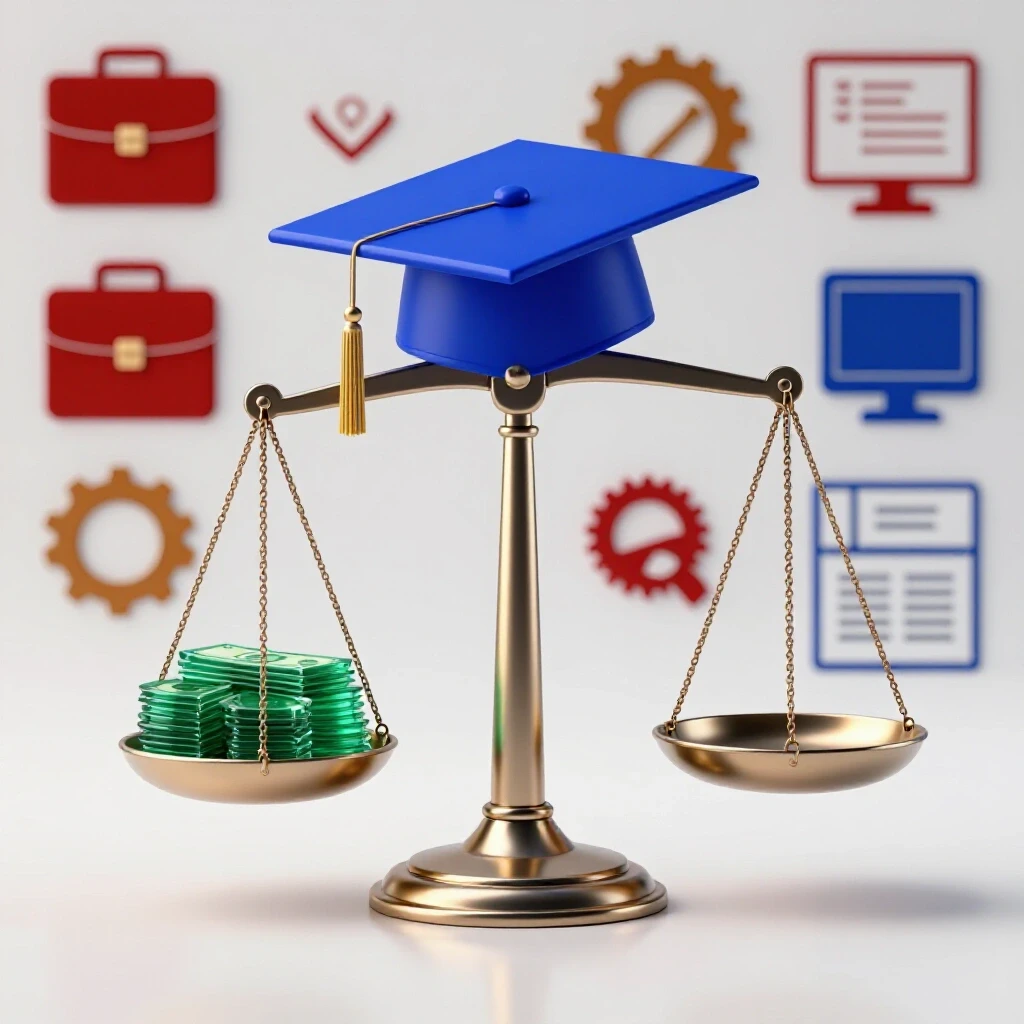
Let’s weigh the pros and cons of pursuing a free online doctorate.
Potential Benefits
Accessibility: Online programs can be accessed from anywhere in the world, making education more accessible to people who might not be able to attend traditional on-campus programs.
Flexibility: Online learning offers greater flexibility, allowing students to study at their own pace and on their own schedule. This can be especially appealing to working professionals or individuals with family responsibilities.
Lower Financial Burden: Obviously, the biggest benefit is the potential to save a lot of money on tuition and fees. This can make a doctorate more attainable for people who might not otherwise be able to afford it.
Drawbacks and Challenges
Quality of Education: The quality of education can vary widely among online programs. It’s important to carefully evaluate the curriculum, faculty, and resources offered by the program.
Job Market Perceptions: Some employers may view online degrees differently than traditional degrees. It’s important to research how your degree will be perceived in your field.
Value of the Degree: A degree from a lesser-known institution might not carry as much weight as a degree from a prestigious university. Consider the reputation and recognition of the institution before you enroll.
Testimonials and Case Studies
I spoke with Sarah, who completed a free online doctorate in education through a program funded by a nonprofit organization.
She said, “The program was challenging, but it was worth it. I was able to advance my career and make a difference in my community without taking on a huge amount of debt.”
However, she also noted that the program required a significant time commitment and that she had to be very disciplined to stay on track.
Section 5: The Future of Online
Doctorates by 2025
What will online doctorates look like in 2025? Let’s make some predictions.
Trends and Changes
I think we’ll see even more universities offering online programs, and the quality of these programs will continue to improve.
There will also be a greater emphasis on personalized learning, with programs tailored to meet the individual needs of students.
The use of technology will continue to transform online learning, making it more engaging and interactive.
Technological Advancements
AI: Artificial intelligence could be used to provide personalized feedback to students, automate grading, and even create customized learning paths.
Virtual Reality: VR could create immersive learning experiences, allowing students to explore virtual environments and interact with virtual objects.
Personalized Learning: Adaptive learning platforms can adjust the difficulty and pace of the material based on the student’s performance, ensuring that they are always challenged but not overwhelmed.
Partnerships
I expect to see more partnerships between universities and tech companies, with tech companies providing the technology and expertise to enhance online doctorate offerings.
These partnerships could lead to more innovative and effective online learning experiences.
For example, a university might partner with a VR company to create a virtual lab environment for science students.
Section 6: Expert Opinions and
Case Studies
To get a broader perspective, I interviewed several experts and students.
Educational Experts
Dr. Emily Carter, a professor of education at a major university, believes that “online doctorates have the potential to democratize education, but it’s important to ensure that they meet the same rigorous standards as traditional programs.”
She also cautioned against diploma mills and emphasized the importance of accreditation.
University Administrators
John Smith, the director of online learning at a private college, said that “online doctorates are becoming increasingly popular, and we are committed to providing high-quality online programs that meet the needs of our students.”
He also noted that online programs can be more cost-effective than traditional programs, which can make them more accessible to a wider range of students.
Students and Graduates
Maria Rodriguez, a graduate of a free online doctorate program in public health, said that “the program was challenging, but it was worth it. I was able to advance my career and make a difference in my community.”
She also noted that the program required a significant time commitment and that she had to be very disciplined to stay on track.
Conclusion
So, is a free online doctorate a scam? Not necessarily, but it requires careful consideration and due diligence.
The promise of a free online doctorate is enticing, but it’s important to do your research, verify the legitimacy of the program, and weigh the benefits and drawbacks.
As we move towards 2025, the online education landscape will continue to evolve, and online doctorates will become even more prevalent.
The future of education is changing rapidly, and it’s up to us to adapt and embrace new ways of learning.