Best Degrees for Kinesiology Careers: Guide to Options (2026)
The human body is a masterpiece of engineering that has remained fundamentally unchanged for millennia. While technology and industries shift with the seasons, our biological need for movement, recovery, and physical optimization is a timeless constant. This enduring reality makes the field of kinesiology one of the most stable and vital sectors in the modern labor market. As we move toward a future that prizes longevity and preventative health, understanding how to navigate the educational pathways in this field is not just a career choice; it is a strategic investment in a sector that will never become obsolete.
What Can I Do With This Degree in Kinesiology?
Kinesiology is the scientific study of human body movement, addressing physiological, anatomical, biomechanical, pathological, and neuropsychological mechanisms. It serves as the academic bedrock for careers in rehabilitation, performance enhancement, and community health, offering a bridge between theoretical science and practical application in various healthcare and fitness settings.
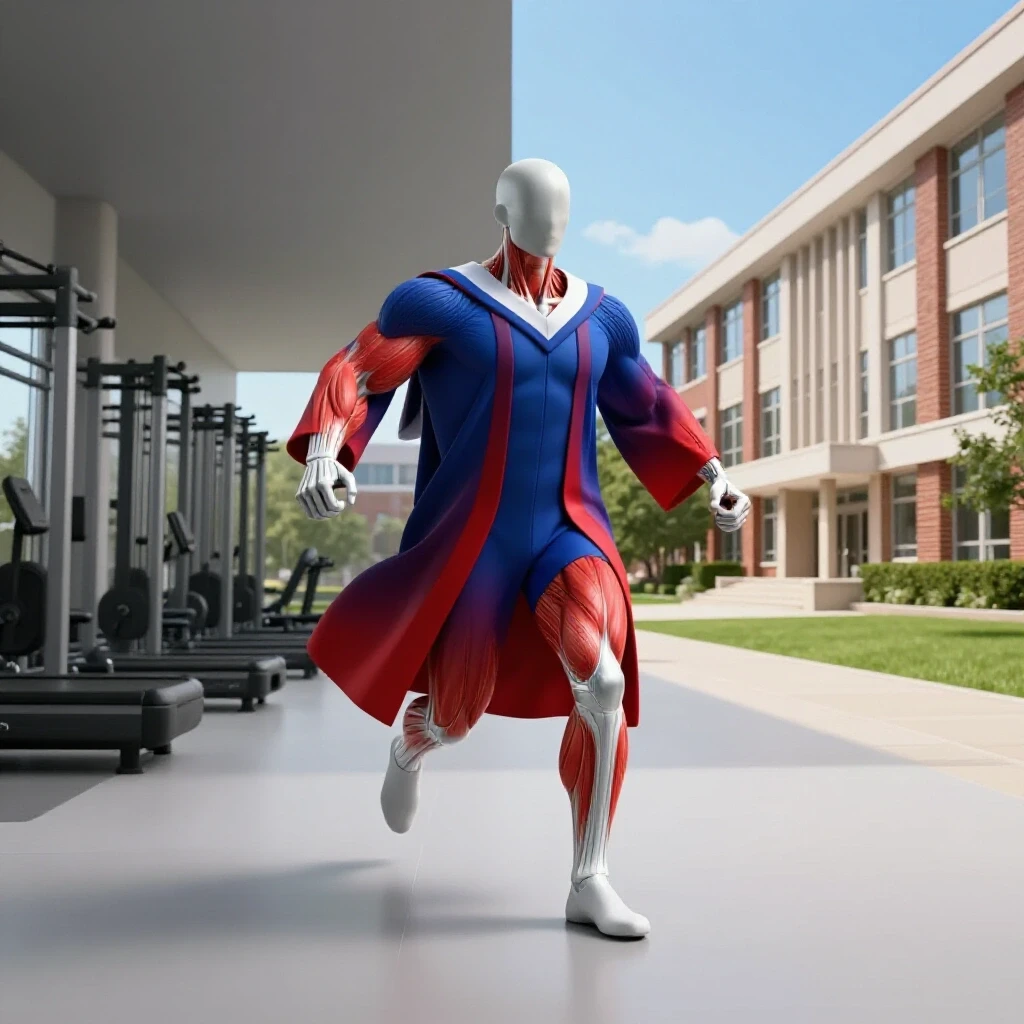
When I first started consulting in the labor market, I met a professional named Sarah. She had spent seven years in corporate communications but felt a deep pull toward healthcare. She asked me, “What can I do with this degree if I start over?” The answer is broader than most realize. A degree in kinesiology is a versatile “Swiss Army Knife” in the health sciences. It allows you to enter the workforce immediately in roles like wellness coordination or provides the necessary prerequisite foundation for high-level clinical doctorates.
The versatility of this degree often leads to “choice paralysis.” To combat this, I help my mentees categorize their options into three distinct buckets: clinical, performance, and administrative. In the clinical bucket, you are looking at roles that require state licensure, such as physical therapy. The performance bucket focuses on athletes and high-level fitness. The administrative bucket involves managing health facilities or community programs.
- Clinical Roles: Physical Therapist, Occupational Therapist, Cardiac Rehabilitation Specialist.
- Performance Roles: Strength and Conditioning Coach, Biomechanist, Sport Psychologist (with further specialization).
- Community/Corporate Roles: Wellness Director, Health Educator, Ergonomist.
Mapping Your Career Roadmap After Bachelor’s in Kinesiology
A career roadmap is a visual or written plan that outlines the necessary education, certifications, and experience required to reach a specific professional goal. In kinesiology, this often involves transitioning from a generalist undergraduate education to specialized clinical or research-based roles through structured milestones and targeted skill acquisition.
Building a roadmap requires looking at the data. According to the Bureau of Labor Statistics (BLS), roles like exercise physiologists are projected to grow faster than the average for all occupations. However, the entry-level requirements are strict. If you are holding a Bachelor of Science (B.S.) in Kinesiology, your immediate roadmap should focus on gaining “contact hours.”
I remember working with a recent graduate who was frustrated by underemployment. He had the degree but no clinical hours. We mapped out a two-year plan: Year one was spent working as a physical therapy aide to gain 1,000 hours of observation. Year two was focused on the Graduate Record Examinations (GRE) and applying to Doctor of Physical Therapy (DPT) programs. This clarity transformed his anxiety into action.
| Degree Level | Potential Job Titles | Typical Years of Study | Focus Area |
|---|---|---|---|
| Bachelor of Science | Wellness Coordinator, PT Aide, Exercise Specialist | 4 Years | Foundational Science & Movement |
| Master of Science | Exercise Physiologist, Athletic Trainer | 2 Years | Advanced Physiology & Clinical Prep |
| Clinical Doctorate | Physical Therapist (DPT), Occupational Therapist (OTD) | 3-4 Years | Clinical Diagnosis & Patient Care |
Navigating Career Transitions With a Degree in Kinesiology
Career transitions in this field involve shifting from non-clinical roles or different industries into specialized movement science positions. This process usually requires bridging knowledge gaps through post-baccalaureate coursework, clinical observation hours, and obtaining specific state-regulated licenses to ensure professional competency and public safety.
The “Career Pivot” is a topic I handle frequently. Many 25-to-34-year-olds realize their first degree doesn’t align with their passion for health. If you are pivoting from a field like business or liberal arts, you don’t always need a second bachelor’s degree. Instead, I recommend a “Post-Baccalaureate Bridge.” This involves taking specific science prerequisites—Physics, Chemistry, Anatomy, and Physiology—at a community college or through an accredited extension program.
One of my mentees transitioned from a career in accounting to become an Athletic Trainer. We analyzed his transferable skills: attention to detail, reporting, and high-pressure decision-making. He completed his science prerequisites over 18 months while working part-time. He then entered a Master of Athletic Training (MAT) program. This strategic bridge saved him years of redundant undergraduate study.
- Step 1: The Gap Analysis. Compare your current transcripts against the requirements of your target graduate program.
- Step 2: Prerequisite Sourcing. Find accredited, cost-effective ways to complete missing lab sciences.
- Step 3: Clinical Immersion. Volunteer or work in a setting that mirrors your target career to verify the “fit” before investing in a graduate degree.
The Best Majors for Job Market Success in Exercise Science
Choosing the right major within the kinesiology umbrella means aligning academic concentrations—such as exercise physiology, biomechanics, or motor control—with high-growth sectors of the labor market. This strategic alignment ensures that graduates possess the specific technical skills demanded by modern healthcare and sports employers.
In my analysis of alumni outcome studies, students who choose a “Pre-Professional” or “Clinical” track within their kinesiology major tend to have higher employment rates post-graduation. These tracks often include the rigorous hard sciences (Calculus, Organic Chemistry) that open doors to medical and doctoral programs. If you choose a “General Kinesiology” track, you must supplement it with internships to avoid the “underemployment trap.”
Data from the National Association of Colleges and Employers (NACE) suggests that students with at least one internship are 20% more likely to receive a job offer within six months of graduation. In kinesiology, this is even more pronounced. An internship in a hospital’s cardiac rehab unit is worth more than a high GPA when applying for Exercise Physiologist roles.
- Exercise Physiology Concentration: Best for those interested in the body’s responses to physical activity.
- Biomechanics Concentration: Ideal for those who enjoy the intersection of physics, engineering, and human movement.
- Health Promotion Concentration: Best for those looking toward corporate wellness or public health policy.
Degree to Career Pathways: The Clinical Doctorate Route
The clinical doctorate pathway represents the highest level of practitioner training in the movement sciences, focusing on autonomous practice and diagnostic expertise. This pathway is essential for those seeking to become licensed Physical Therapists or Occupational Therapists, requiring a rigorous blend of academic theory and residency-style clinical rotations.
If your goal is to be a Physical Therapist, the DPT is your non-negotiable destination. This is a three-year post-graduate commitment. I often tell my students that the DPT is a “marathon, not a sprint.” The labor market for PTs is incredibly strong, with a median salary often exceeding $90,000 depending on the setting. However, the debt-to-income ratio must be managed.
I suggest looking for programs that offer “Integrated Clinical Education.” This means you are in the clinic early and often. The faster you can move from the classroom to patient care, the more prepared you will be for the licensing exam (NPTE).
- Milestone 1: Complete B.S. with a GPA of 3.5 or higher.
- Milestone 2: Accumulate 100-500 hours of diverse clinical observation.
- Milestone 3: Pass the GRE with competitive scores in quantitative and verbal sections.
- Milestone 4: Secure three strong letters of recommendation, including one from a licensed practitioner.
Measuring Success: Metrics and Career Benchmarks
Career benchmarks are specific, data-driven milestones used to track professional progress, salary growth, and skill acquisition over a ten-year period. In kinesiology, these metrics help professionals determine if they are on track for senior roles, clinical specializations, or private practice ownership within the competitive healthcare landscape.
When I build a roadmap, I use a “1-5-10” framework. This helps my mentees visualize their growth and stay motivated during the early, lower-paying years of their career.
- 1-Year Benchmark: Entry-level role (e.g., Wellness Specialist or PT Aide). Focus: Learning the ecosystem and networking. Expected Salary: $40,000 – $50,000.
- 5-Year Benchmark: Mid-level role or completion of a graduate degree. Focus: Specialization (e.g., Certified Strength and Conditioning Specialist or Licensed PT). Expected Salary: $65,000 – $85,000.
- 10-Year Benchmark: Senior role or Private Practice Owner. Focus: Leadership, management, or niche clinical expertise. Expected Salary: $95,000 – $120,000+.
The “Internship-to-Job Conversion Rate” in this field is roughly 35%. This means nearly one out of three interns is hired by their site. This is a critical metric to remember when choosing where to spend your unpaid or low-paid internship hours.
Essential Tools for the Kinesiology Professional
Professional tools in the kinesiology sector include digital platforms for labor market analysis, clinical networking, and credential tracking. Utilizing these resources allows students and professionals to stay informed about emerging job trends, licensing requirements, and the specific skill sets currently in demand by top-tier employers.
To stay ahead of the curve, I recommend four specific tools that I use in my own strategic planning:
- O*NET OnLine: This is a goldmine for understanding the specific tasks, tools, and knowledge required for any kinesiology-related job.
- LinkedIn Career Explorer: Use this to see how your current skills match up with the roles you want and to find professionals who have made similar pivots.
- The BLS Occupational Outlook Handbook: This provides the most reliable data on job growth projections and median pay.
- Handshake: This is specifically designed for students and recent grads to find internships and entry-level roles that are often not posted on general job boards.
Strategies to Maximize Employability and Satisfaction
Maximizing employability involves a proactive approach to skill acquisition that goes beyond the classroom, focusing on “stackable” credentials and soft skills like patient empathy and communication. This strategy ensures that a professional remains competitive even as healthcare technology and insurance reimbursement models evolve over time.
One mistake I see often is the “Degree Only” approach. A degree gets you the interview; your specialized skills get you the job. For a kinesiology major, “stacking” your degree with certifications like the Certified Strength and Conditioning Specialist (CSCS) or the ACSM Clinical Exercise Physiologist (CEP) can increase your starting salary by 10-15%.
Furthermore, do not underestimate the power of “Soft Skills.” In a clinical setting, your ability to motivate a patient through a painful rehabilitation process is just as important as your knowledge of biomechanics. I advise my mentees to take at least one course in psychology or communication to round out their technical training.
- Key Takeaway: Always be “stacking.” A degree is the foundation, but certifications and soft skills are the layers that build a high-earning career.
- Next Step: Identify one certification you can earn within six months of graduation to set yourself apart from the general applicant pool.
Frequently Asked Questions
What can I do with this degree if I don’t want to go to graduate school? With a Bachelor’s in Kinesiology, you can work as a wellness coordinator, exercise specialist in a gym or community center, or a corporate health consultant. You can also work in medical sales for orthopedic or rehabilitation equipment. These roles focus on health promotion and business rather than clinical treatment. While the starting salary may be lower than clinical roles, there is significant room for growth in corporate management.
Is a kinesiology degree hard for someone coming from a non-science background? The “hard sciences” like Anatomy, Physiology, and Biomechanics are rigorous and involve significant memorization and mathematical application. However, for a career changer, these subjects are often more engaging because they are applied directly to the human body. If you are pivoting, I recommend taking one science course at a time to build your “academic stamina” before diving into a full-time graduate program.
How do I get clinical observation hours if I’m working a full-time job? This is a common hurdle for mid-career professionals. I suggest looking for clinics that have extended evening or Saturday hours. Many physical therapy clinics are open until 7:00 PM or 8:00 PM to accommodate working patients. You can also use your vacation time for “mini-internships”—spending one full week immersed in a clinical setting.
What is the difference between Kinesiology and Exercise Science? In many universities, the terms are used interchangeably. However, Kinesiology is generally the broader umbrella term that includes the study of movement from psychological, sociological, and biological perspectives. Exercise Science is often a more narrow sub-field focused specifically on the body’s physiological responses to exercise and training. Both are excellent foundations for healthcare careers.
Will AI replace jobs in kinesiology? While AI can assist in analyzing movement data or creating workout templates, it cannot replace the “human touch” required in rehabilitation and coaching. Physical therapy and athletic training require hands-on manipulation, real-time adjustments based on a patient’s pain levels, and emotional support. These are “high-touch” roles that are considered very safe from AI automation.
How long does a career pivot into physical therapy typically take? If you have no science prerequisites, the pivot usually takes 4 to 5 years. This includes 1.5 to 2 years to complete prerequisites and gain observation hours, followed by 3 years in a DPT program. It is a significant time investment, which is why I emphasize the importance of the “Gap Analysis” and clinical volunteering early on to ensure you truly enjoy the daily work.
Are there high-paying roles in kinesiology that aren’t clinical? Yes. Ergonomists, who design workspaces to reduce injury and increase efficiency, can earn high salaries, especially in the tech industry. Additionally, roles in sports technology—working for companies that develop wearable fitness trackers or motion-capture software—offer competitive compensation and do not require a clinical license.
What is the most important skill for a kinesiology major to have? Beyond scientific knowledge, “Clinical Reasoning” is the most vital skill. This is the ability to take a set of symptoms or data points and determine the most effective and safest course of action. It involves critical thinking and the application of theory to a living, breathing person who may not follow a textbook pattern.
Can I transition into kinesiology from a marketing or business background? Absolutely. Your background in marketing can be a huge asset if you want to open your own clinic or work in the business side of healthcare. You will still need the foundational science knowledge, but your ability to understand “customer” (patient) acquisition and brand building will set you apart from practitioners who only understand the science.
Is the job market for kinesiology graduates oversaturated? While there are many graduates, the demand is also rising due to an aging population and a societal shift toward preventative health. The key to avoiding saturation is specialization. A “generalist” may struggle, but someone with a specialty in geriatric rehabilitation, pediatric sports, or industrial ergonomics will find plenty of opportunities.
(This article was written by one of our staff writers, James Holloway. Visit our Meet the Team page to learn more about the author and their expertise.)