Circular Economy Masters (Future-Proof Your Career!)
Future-Proof Your Career in 2025!
Ever feel like your recycling bin is a black hole?
You toss stuff in, hoping it gets a second life, but you’re not really sure where it ends up.
It’s a bit like that takeout container graveyard in my fridge – a monument to good intentions gone… well, not gone, just… lingering.
That’s where the circular economy comes in!
It’s not just about recycling; it’s about rethinking everything from product design to waste management.
And let me tell you, getting a master’s degree in this field isn’t just a smart move; it’s practically a superpower for the future.
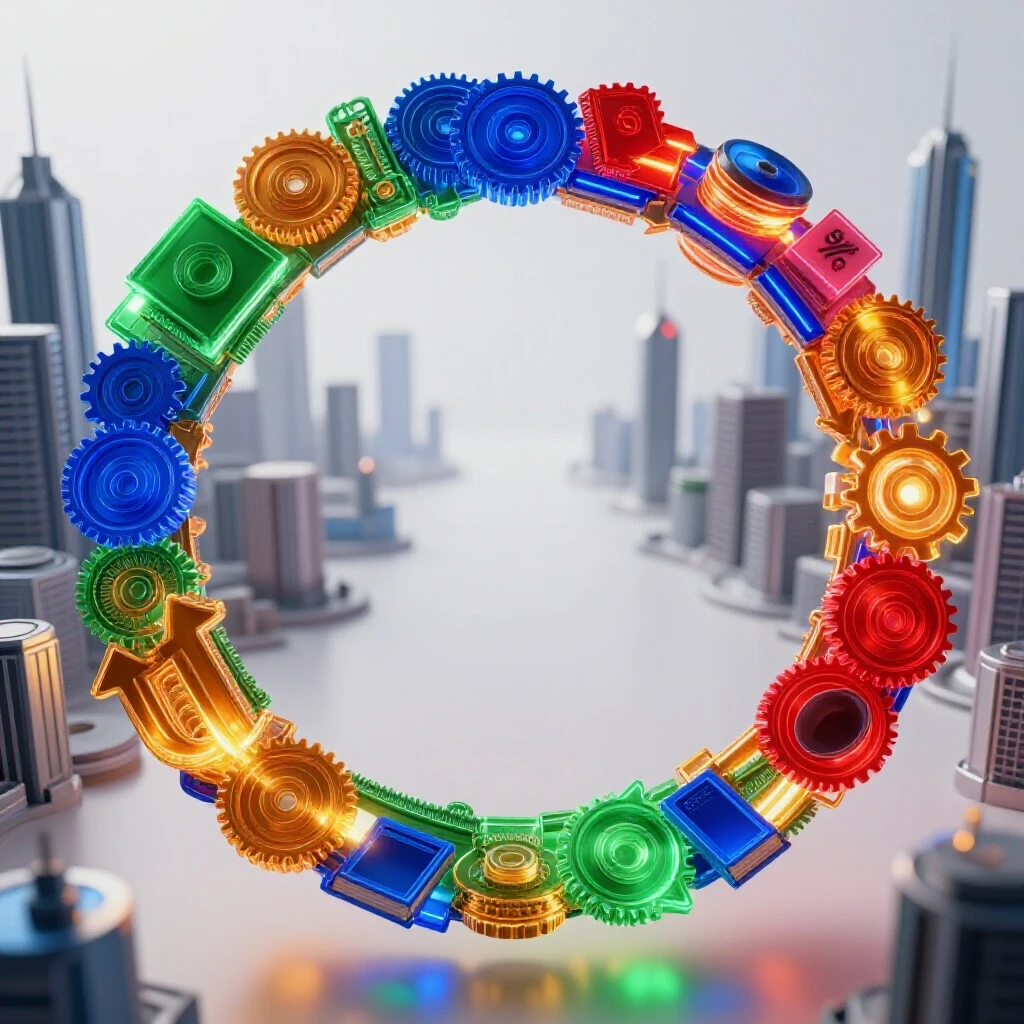
Section 1: Understanding Circular Economy
Okay, so what is the circular economy?
Imagine a traditional economy as a one-way street: we take resources, make stuff, use it, and then… bam!
It’s trash.
That’s the “take, make, dispose” model, also known as the linear economy.
Think of it like this: a circular economy is like a delicious stew.
You use ingredients, cook it up, and then you can repurpose leftovers into something new.
But a linear economy? That’s like a soggy sandwich left out too long. Nobody wants that!
The circular economy, on the other hand, aims to keep resources in use for as long as possible.
It’s based on three core principles:
- Reducing Waste: Designing products to minimize waste and pollution from the get-go.
- Reusing Resources: Extending the lifespan of products and materials through repair, refurbishment, and remanufacturing.
- Recycling Materials: Turning waste into valuable resources that can be used again and again.
Basically, it’s about closing the loop and creating a system where waste is minimized and resources are valued.
Section 2: The Importance of Circular Economy in 2025
Why is all this important right now?
Well, let’s just say our planet is sending us some pretty strong signals that we need to change our ways.
We’re facing resource depletion, overflowing landfills, and a climate crisis that’s hard to ignore.
Consider this: according to the World Bank, global waste generation is projected to increase by 70% by 2050 if we don’t change our habits.
Seventy percent!
That’s like adding another seven of my overflowing fridges to the planet!
(Source: World Bank – What a Waste 2.0)
The good news? Technology and innovation are stepping up to the plate.
We’re seeing advancements in materials science, renewable energy, and digital technologies that are making the circular economy more feasible and accessible than ever before.
Think about it: AI-powered waste sorting systems, blockchain technology for tracking materials, and 3D printing using recycled plastics.
These aren’t just buzzwords; they’re real solutions that are already making a difference.
Section 3: Why Pursue a Master’s Degree in Circular Economy?
Okay, so the circular economy is important, but why get a master’s degree in it?
Simple: because the job market is booming!
Companies and organizations are realizing that sustainability isn’t just a nice-to-have; it’s a business imperative.
And that means they need skilled professionals who can help them transition to circular practices.
According to a report by the Ellen MacArthur Foundation, the circular economy could unlock trillions of dollars in economic opportunities by 2030.
Trillions! That’s a lot of stew… I mean, money!
The job market is already reflecting this trend.
LinkedIn has seen a significant increase in job postings related to sustainability and the circular economy in recent years.
It’s like job seekers are kids in a candy store – except the candy is sustainable innovation and resource management.
With a master’s degree in circular economy, you’ll gain a unique set of skills that are highly sought after across various industries.
You’ll learn how to:
- Design circular products and systems
- Assess the environmental and economic impacts of different materials and processes
- Develop and implement circular business models
- Navigate complex regulatory frameworks
- Communicate effectively about sustainability issues
These skills are applicable in a wide range of fields, from manufacturing and retail to finance and consulting.
Whether you want to work for a multinational corporation, a startup, or a non-profit organization, a master’s in circular economy can open doors to exciting and impactful career opportunities.
Section 4: Curriculum Overview of Circular Economy Master’s Programs
So, what will you actually learn in a circular economy master’s program?
Well, the curriculum typically covers a range of topics related to sustainability, resource management, and business strategy.
Here are some typical courses you might encounter, with a little bit of my personal touch:
- “Waste Not, Want Not: The Art of Resourcefulness”: This course explores the principles of waste reduction and resource efficiency.
- “Recycling 101: Turning Trash into Treasure”: A deep dive into the science and technology of recycling and materials recovery.
- “Circular Business Models: From Linear to Loop”: This course examines different business models that support the circular economy, such as product-as-a-service and closed-loop supply chains.
- “Life Cycle Assessment: Measuring Our Impact”: Learn how to assess the environmental impacts of products and services throughout their entire life cycle.
- “Sustainable Supply Chain Management: Greening the Flow”: This course focuses on how to design and manage supply chains that minimize environmental and social impacts.
- “Policy and Regulations: Navigating the Green Maze”: An overview of environmental regulations and policies related to the circular economy.
But it’s not all just lectures and textbooks.
Many programs also incorporate hands-on projects, case studies, and real-world applications.
You might get the chance to work with local businesses to develop circular solutions, conduct research on innovative materials, or participate in design challenges.
For example, at one university, students partnered with a local brewery to find innovative ways to reuse spent grain, a byproduct of the brewing process.
They explored options like turning it into animal feed, compost, or even a building material.
Section 5: How to Choose the Right Program
Okay, you’re sold on the idea of a master’s in circular economy.
Now, how do you choose the right program?
Think of it like dating.
You wouldn’t just settle for the first person who swipes right, would you?
You want to find someone who shares your values, challenges you to grow, and supports your goals.
The same goes for choosing a master’s program. Here are a few things to look for:
- Accreditation: Make sure the program is accredited by a reputable organization.
- Faculty Expertise: Look for professors who are experts in their fields and have strong industry connections.
- Curriculum Relevance: Ensure that the curriculum covers the topics that are most relevant to your career goals.
- Industry Connections: Does the program have partnerships with companies or organizations in the circular economy space?
- Location: Consider the location of the program and whether it aligns with your personal and professional preferences.
Networking and internships are also crucial for making the most of your educational experience.
Attend industry events, join professional organizations, and seek out internships that will give you hands-on experience and help you build your network.
Section 6: Success Stories and Case Studies
Want some inspiration?
Let’s take a look at some success stories of individuals who have pursued a degree in circular economy and made a significant impact:
- Anna Johnson: After earning her master’s in circular economy, Anna founded a company that designs and manufactures furniture using recycled materials.
- David Lee: David landed a job at a major consumer goods company, where he’s leading the development of sustainable packaging solutions.
- Maria Rodriguez: Maria is working for a non-profit organization that promotes circular economy practices in developing countries.
Of course, not everyone’s journey is smooth sailing. There can be challenges and setbacks along the way.
It’s like trying a DIY project and ending up with a wobbly table that falls apart at the slightest touch.
But the key is to learn from your mistakes, persevere, and keep pushing forward.
There are many companies that have successfully implemented circular economy principles and reaped the benefits.
For example, Patagonia, the outdoor clothing company, has a long-standing commitment to sustainability and has implemented various circular practices, such as repairing and recycling its products.
Interface, a global flooring manufacturer, has transformed its business model to focus on sustainability and has made significant progress in reducing its environmental footprint.
Section 7: The Future of Work in Circular Economy
So, what does the future hold for jobs in the circular economy?
Well, let’s just say it’s looking bright.
The work environment is changing rapidly, and sustainability is becoming an increasingly important factor in corporate culture.
Think about virtual reality meetings where everyone wears recycled cardboard costumes.
Okay, maybe not everyone, but you get the idea.
The point is that future leaders will need to be equipped to drive change and promote sustainable practices.
Here are some key trends to watch:
- Increased demand for sustainability professionals: Companies will need more experts in areas like circular design, waste management, and sustainable supply chain management.
- Integration of sustainability into core business functions: Sustainability will no longer be a separate department; it will be integrated into all aspects of the business.
- Rise of the “circular entrepreneur”: More and more people will start their own businesses focused on circular solutions.
- Emphasis on collaboration and partnerships: Companies will need to work together to create circular value chains.
Ultimately, the future of work in the circular economy is about creating a more sustainable, resilient, and equitable world.
It’s about using our skills and talents to solve some of the biggest challenges facing our planet.
Conclusion
So, there you have it!
A master’s in circular economy isn’t just a way to future-proof your career; it’s a way to be part of a larger, meaningful movement.
It’s about investing in your future and the future of our planet.
So, what are you waiting for?
Take the plunge, explore your options, and get ready to embark on an exciting and rewarding journey.
Who knows, you might just end up turning trash into treasure and saving the world, one recycled takeout container at a time!