Chemistry Degree ROI: Is It Worth the Investment? (Guide 2026)
Innovation in chemistry is moving at a fast pace. We see this in the creation of new batteries for cars and better ways to filter water. These breakthroughs happen because of people with the right education. As an economist, I look at the cost of that education. I want to help you see if a chemistry degree is a good investment. The ROI of college degree programs in the sciences is often high, but you must look at the numbers carefully. I have spent 15 years looking at how much students pay and how much they earn later. My goal is to show you the facts so you can make a smart choice for your future.
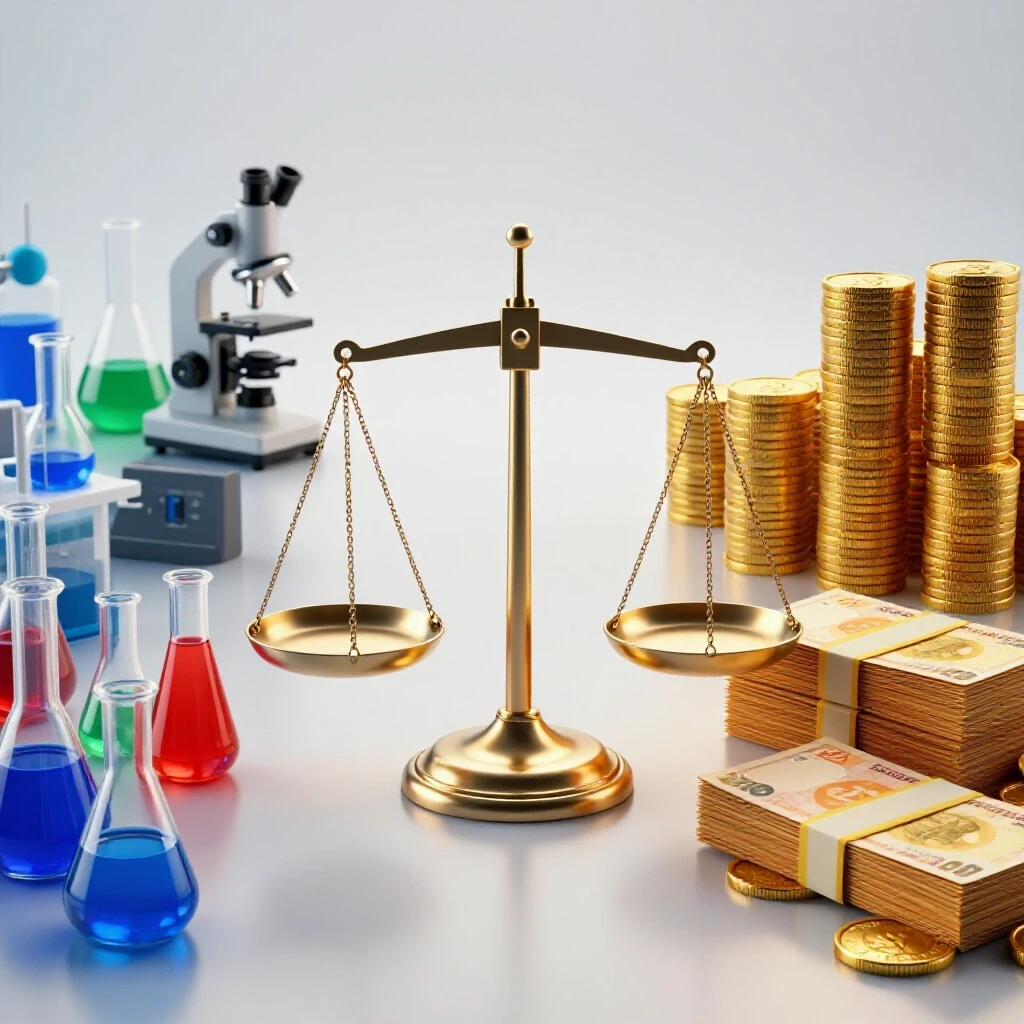
Understanding the ROI of a Chemistry Degree
Return on Investment (ROI) for a degree measures the financial gain of your education compared to its cost. It looks at your future earnings minus your student loans and tuition. A high ROI means your salary quickly covers your degree costs and builds long-term wealth for your future.
When I talk to parents, they often worry about debt. They ask if a science degree is still a safe bet. To answer this, we use a college ROI calculator approach. We look at the total cost of the degree. This includes tuition, books, and the money you did not earn while in school. Then, we look at the lifetime earnings premium. This is the extra money you make with a degree compared to just a high school diploma.
For chemistry, the path is unique. Most entry-level jobs pay well, but the big money often comes later. You might start in a lab making a modest wage. Over time, your skills in research or management can lead to much higher pay. I always tell my mentees to look at the 10-year mark. That is when the true value of the degree starts to show.
The Bachelor’s Degree: Entry-Level Chemistry Degree ROI
A Bachelor of Science in Chemistry is a four-year program that teaches the basics of science and lab work. The ROI for this degree depends on your starting salary and how much debt you take on. It is the most common path for those entering the scientific workforce today.
If you are looking for the best value degrees, a public university chemistry program is often at the top. Data from the College Scorecard shows that starting salaries for chemistry majors usually fall between $45,000 and $65,000. This depends on where you live and the type of lab you work in.
I recently worked with a student named Mark. He was looking at a private school that cost $50,000 a year. He would have graduated with $150,000 in debt. His starting pay would have been about $50,000. This is a 3:1 debt-to-income ratio. That is very risky. I showed him a state school where he could graduate with only $25,000 in debt. By choosing the state school, his payback period dropped from twenty years to just five years.
Table 1: ROI Comparison by School Type (Bachelor’s Degree)
| School Type | Avg. Total Cost | Median Starting Salary | Debt-to-Income Ratio | 10-Year ROI (Est.) |
|---|---|---|---|---|
| Public (In-State) | $40,000 | $52,000 | 0.77 | High |
| Public (Out-of-State) | $100,000 | $52,000 | 1.92 | Medium |
| Private (Non-Profit) | $160,000 | $55,000 | 2.91 | Low |
Comparing Public vs. Private Institutions for Chemistry
Public universities receive state funding and usually offer lower tuition rates for local students. Private schools rely on tuition and private funds, often charging much more. Comparing these helps you decide if a famous school name is worth the extra cost compared to a steady state school.
Many people think a private school name helps you get a better job. In chemistry, this is not always true. Most lab managers care more about your skills and your lab experience. They want to know if you can use the equipment and follow safety rules.
In my research, I have found that the “prestige premium” in chemistry is small. A student from a top-tier private school might earn 5% to 10% more at first. But they often have 400% more debt. This makes the debt-to-income ratio education metric look very poor for the private school student. I suggest looking for schools with strong lab facilities and partnerships with local companies. This provides the best return for every dollar spent.
The Value of Graduate School: Master’s and PhD ROI
Advanced degrees like a Master’s or PhD require more years of study after your first degree. These programs can lead to higher pay and more senior roles in research. To find the ROI, you must weigh the higher salary against the years of lost wages while you were studying.
Is a master’s degree worth it? This is a question I hear every week. In chemistry, a Master of Science (MS) can be a great middle ground. It usually takes two years. It can move you from a “technician” role to a “scientist” role. This shift often comes with a significant pay raise.
A PhD is a different story. It takes five to seven years. Most chemistry PhD programs are “funded.” This means the school pays your tuition and gives you a small stipend to live on. You do not take on much debt, but you lose many years of full-time wages. This is called “opportunity cost.” However, the lifetime earnings for a PhD are often much higher, especially in the drug industry (pharma).
Table 2: Worth of Master’s Degree vs. Bachelor’s in Chemistry
| Degree Level | Median Salary (Mid-Career) | Estimated Lifetime Earnings | Avg. Debt at Grad |
|---|---|---|---|
| Bachelor’s (BS) | $85,000 | $2.4 Million | $28,000 |
| Master’s (MS) | $105,000 | $2.9 Million | $45,000 |
| Doctorate (PhD) | $130,000 | $3.5 Million | $15,000 (Funded) |
Measuring Success with the Debt-to-Income Ratio Education Metric
The debt-to-income ratio is a simple way to see if your student loans are manageable. You calculate it by dividing your total student debt by your expected annual salary. Keeping this ratio low is the best way to ensure your degree does not become a financial burden over time.
I advise students to keep their total debt below their expected first-year salary. If you expect to earn $50,000, do not borrow more than $50,000. This keeps your debt-to-income ratio at 1.0 or lower. When this ratio gets to 2.0 or higher, you may struggle to buy a home or save for the future.
- 1.0 or lower: Excellent. You can likely pay off loans in 10 years.
- 1.0 to 1.5: Manageable. You will need a strict budget.
- 2.0 or higher: High risk. You may need income-driven repayment plans.
Using a college ROI calculator can help you see these numbers before you sign any loan papers. It is better to know the truth now than to be surprised after graduation.
Practical Tools for Comparing Chemistry Programs
Digital tools like the College Scorecard and Payscale provide real data on what graduates actually earn. These resources allow you to compare different schools side-by-side. Using them ensures your decision is based on facts rather than marketing brochures or university rankings that do not focus on money.
I use several tools to help my clients. These are free and easy to use. I suggest every student and parent spend at least two hours on these sites before picking a college.
- College Scorecard: This is a tool from the U.S. Department of Education. It shows the median salary of students one year after they graduate. You can search by “Chemistry” and see which schools have the highest earners.
- Payscale ROI Report: This site ranks schools by their 20-year net ROI. It helps you see the long-term value of your degree.
- BLS Occupational Outlook Handbook: The Bureau of Labor Statistics (BLS) tells you if a job field is growing. For chemists, the growth is steady, which means the degree will stay valuable.
- NCES Data Explorer: This is great for looking at the average cost of attendance after grants and scholarships are applied.
Case Study: A Mentee’s Journey to a High-ROI Degree
A case study is a real-life example that shows how data is applied in the real world. By looking at a specific student’s choices, we can see the impact of choosing a low-cost school. This helps illustrate how to avoid common financial traps in higher education for students.
Let me tell you about Sarah. Sarah loved chemistry but was scared of debt. Her parents could not help with tuition. She was accepted to a famous private college and her local state university.
- Private College: Cost $60,000 per year. Debt at graduation: $180,000.
- State University: Cost $12,000 per year. Debt at graduation: $30,000.
Sarah chose the state university. She worked as a lab assistant during her junior and senior years. This gave her experience and a little extra money. When she graduated, she got a job at a food science company making $55,000. Because her debt was low, she was able to pay off her loans in four years. Today, she is 28 years old and debt-free. She is now looking at a master’s degree, which her company might help pay for. This is a perfect example of a high-ROI path.
Action Plan: How to Maximize Your Chemistry Degree Value
An action plan is a step-by-step guide to help you reach your financial goals. For chemistry students, this involves picking the right school, finding scholarships, and gaining work experience. Following these steps helps ensure your degree is an asset rather than a financial burden for your family.
To get the most out of your degree, you need to be proactive. Do not just go to class. You must think like an investor. Here is how you can maximize your return:
- Choose a school based on net price, not sticker price. Use the school’s net price calculator to see what you will actually pay.
- Apply for specialized scholarships. Many groups like the American Chemical Society (ACS) offer money to chemistry students.
- Get lab experience early. Internships and co-ops often lead to higher starting salaries. They also help you build a network.
- Consider the “3+2” programs. Some schools offer a five-year path to get both a bachelor’s and a master’s degree. This saves time and money.
- Monitor your debt every year. Do not wait until you graduate to see how much you owe. Keep a spreadsheet of your loans and interest rates.
By following these steps, you can turn a chemistry degree into a powerful tool for financial success. Science is about facts and data. Your education should be handled the same way.
Frequently Asked Questions (FAQ)
What is the average starting salary for a chemistry major?
The average starting salary for a chemistry major with a bachelor’s degree is usually between $45,000 and $65,000. This number can change based on your location and the industry. For example, chemists working in the pharmaceutical or oil and gas industries often earn more than those in academic or small testing labs. It is important to look at the College Scorecard for specific schools to see what their graduates earn.
Is a chemistry degree worth the cost?
Yes, a chemistry degree is generally worth the cost if you keep your student debt low. Chemistry is a versatile degree that allows you to work in many fields like medicine, energy, and manufacturing. To ensure a good ROI, try to keep your total debt below your expected first-year salary. Using a state university is often the best way to achieve a high ROI.
How does a PhD in chemistry affect my ROI?
A PhD in chemistry can greatly increase your lifetime earnings, often leading to salaries over $130,000 in the private sector. Most PhD programs in chemistry are funded, meaning you do not pay tuition and receive a stipend. The main cost is the five to seven years you spend in school instead of earning a full salary. For many, the high salary and senior roles make this a very smart financial move in the long run.
What is a good debt-to-income ratio for a science student?
A good debt-to-income ratio is 1.0 or lower. This means if you expect to make $50,000 a year, you should not borrow more than $50,000 total for your degree. If you can keep this ratio closer to 0.5, you will have much more financial freedom after you graduate. This allows you to save for a home or retirement much sooner.
Should I choose a private or public school for chemistry?
For most students, a public school offers a better ROI for a chemistry degree. Chemistry is a technical field where your skills and lab experience matter more than the name of your school. Public universities often have excellent lab facilities and strong connections to local industries at a fraction of the cost of private schools. Only choose a private school if they offer enough financial aid to make the cost similar to a public school.
Does the location of the school affect chemistry ROI?
Yes, location matters. Schools located near “biotech hubs” like Boston, San Diego, or Research Triangle Park often have better internship opportunities. These internships can lead to higher-paying jobs after graduation. However, you must also consider the cost of living in those areas. A high salary in an expensive city might be worth less than a medium salary in a low-cost area.
Can I get a high-paying job with just a bachelor’s in chemistry?
You can get a good job with a bachelor’s degree, but the highest-paying roles often require more experience or a higher degree. With a bachelor’s, you will likely start as a lab technician or junior chemist. To increase your pay, you can specialize in areas like quality control, environmental testing, or sales. Many chemists also find high-paying roles in chemical sales or technical support.
Is the worth of a master’s degree in chemistry high?
The worth of a master’s degree is high for those who want to move into management or specialized research without spending six years on a PhD. A master’s degree can lead to a pay bump of $10,000 to $20,000 per year. If your employer offers tuition reimbursement, the ROI of a master’s degree becomes even better because you are not paying for the degree yourself.
What are the best value degrees within the field of chemistry?
The best value degrees are often Bachelor of Science (BS) degrees from well-funded state universities. These programs provide the same core training as expensive private schools but at a much lower price. Degrees that offer a “professional” track or are certified by the American Chemical Society (ACS) also tend to have a higher value in the eyes of employers.
How do I use a college ROI calculator for chemistry?
To use a college ROI calculator, enter the total cost of the school, including living expenses. Then, subtract any grants or scholarships you received. Next, enter the median starting salary for chemistry graduates from that specific school. The calculator will show you how many years it will take to pay back your investment. This tool is essential for comparing different college offers side-by-side.
(This article was written by one of our staff writers, Benjamin Carter. Visit our Meet the Team page to learn more about the author and their expertise.)