Bass Fishing at 40 Degrees (Secret Tactics!)
Alright, let’s dive into the world of cold-water bass fishing!
Bass Fishing at 40 Degrees: Secret Tactics!
Bass fishing in cold weather can be treacherous and challenging, but it can also yield incredible rewards for those who are prepared.
As temperatures drop to 40 degrees Fahrenheit, conditions change dramatically, and anglers must adapt their tactics to succeed.
This article will delve into the secret tactics that can help you catch more bass during these chilly months.
Proceed with caution, as the strategies discussed here require skill, patience, and respect for the water.
I. Understanding Bass Behavior in Cold Water
So, what happens to our finned friends when the water gets chilly?
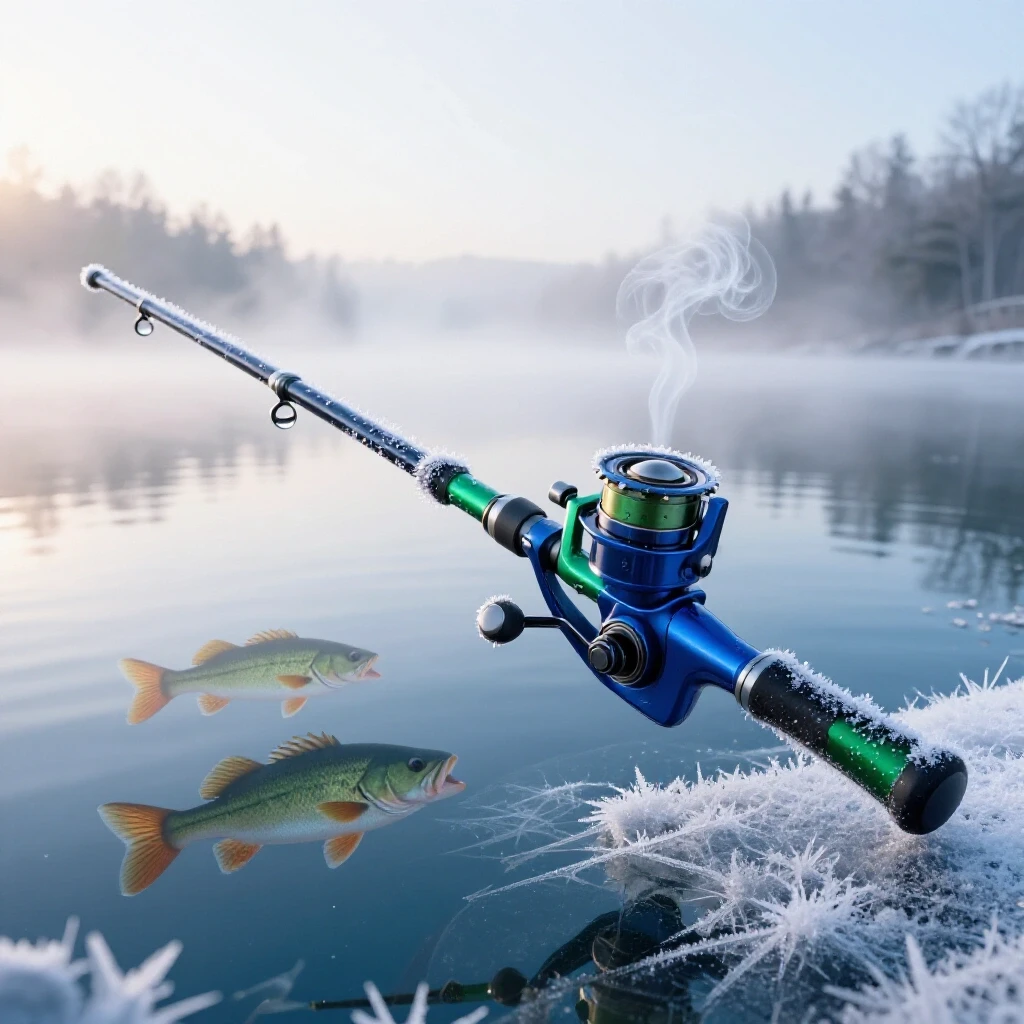
Well, it’s not exactly pool party time for them.
As water temperatures plummet, a bass’s metabolism slows down dramatically.
Imagine trying to run a marathon after eating a Thanksgiving dinner – that’s kind of what it’s like for them.
This metabolic slowdown directly impacts their feeding habits. Gone are the days of aggressively chasing down lures.
Instead, they become opportunistic feeders, preferring easy meals that require minimal energy expenditure.
Think of it as ordering takeout instead of cooking a gourmet meal.
Where do they hang out when it’s cold?
They’re looking for areas that offer a few key things: warmer water (even a degree or two can make a difference), protection from current, and access to food.
Think deeper water near structure like submerged trees, rock piles, or even man-made objects.
These areas act as thermal shelters and ambush points.
Thermal stratification is key to this behavior.
In the fall and early winter, the water column starts to stratify.
The warmer water sinks to the bottom, and cooler water rises to the top.
Bass tend to congregate in the warmer, more stable layers.
Figuring out where these layers are is like finding the pot of gold at the end of the rainbow.
Slow fishing is the name of the game. Forget about burning your bait across the surface. These fish aren’t interested in a high-speed chase.
Instead, you’ll want to present your lure slowly and deliberately, keeping it in the strike zone for as long as possible.
Think of it as enticing them with a tantalizing offer they can’t refuse.
Here’s a quick rundown of key behavioral changes:
- Slower Metabolism: Less energy expenditure.
- Opportunistic Feeding: Easy meals preferred.
- Habitat Preference: Deeper water near structure.
- Thermal Stratification: Warmer water at the bottom.
- Reduced Aggression: Slow, deliberate presentations.
II. Essential Gear for Cold Weather Bass Fishing
Now, let’s talk about the gear you’ll need to brave the elements and hook into some cold-water bass.
It’s not just about having the right rod and reel – it’s about staying comfortable and safe.
Rod selection is crucial.
I prefer a medium-heavy power rod with a moderate action.
This gives you enough backbone to handle bigger fish but also allows for a softer presentation.
A good all-around choice is a 7-foot medium-heavy casting rod.
Reel-wise, a baitcasting reel with a smooth drag system is essential.
Look for a reel with a gear ratio around 6.4:1, which allows you to retrieve line at a moderate pace.
Line selection also matters. Fluorocarbon line is my go-to choice for cold water.
It’s nearly invisible underwater, has low stretch, and is abrasion-resistant.
I typically use 10-12 pound test for most cold-water applications.
Lure selection will be discussed in detail later, but it’s worth mentioning that you’ll want a variety of jigs, soft plastics, and jerkbaits in your tackle box.
But gear isn’t just about the tackle. It’s about staying warm and safe.
Hypothermia is a real threat when fishing in cold weather.
Layering is the key to staying warm and dry.
Start with a moisture-wicking base layer, followed by an insulating mid-layer (like fleece or wool), and top it off with a waterproof and windproof outer layer.
Don’t forget about your extremities!
A good pair of waterproof gloves, a warm hat, and insulated boots are essential.
I also recommend wearing a neck gaiter or balaclava to protect your face and neck from the cold wind.
Personal Protection Equipment (PPE) is not just for construction sites.
A life jacket is a must-have, especially when fishing from a boat.
Consider investing in a floatation suit for added protection. And don’t forget about eye protection.
Polarized sunglasses not only reduce glare but also protect your eyes from the sun and wind.
Specialized tackle can also give you an edge.
For example, a line conditioner can help prevent your line from freezing up in extremely cold temperatures.
Rod sleeves can protect your rods from damage during transport.
And a portable heater can provide some much- needed warmth on those extra-chilly days.
Essential Gear Checklist:
- Rod: Medium-heavy power, moderate action.
- Reel: Baitcasting with smooth drag (6.4:1 ratio).
- Line: Fluorocarbon (10-12 pound test).
- Clothing: Layered system (base, mid, outer).
- Accessories: Waterproof gloves, warm hat, insulated boots, neck gaiter.
- PPE: Life jacket, polarized sunglasses.
- Specialized Tackle: Line conditioner, rod sleeves, portable heater.
III. Best Lures and Baits for Cold Weather Bass Fishing
Choosing the right lure or bait can make or break your cold-water bass fishing trip.
Remember, bass are less aggressive in cold water, so you need to entice them with something they can’t resist.
Jigs are a staple for cold-water bass fishing.
They can be fished slowly along the bottom, mimicking a crawfish or other bottom-dwelling creature.
I prefer using jigs in dark colors like black and blue, brown, or green pumpkin.
These colors tend to work well in murky or stained water.
When fishing a jig, use a slow, dragging presentation.
Hop it along the bottom, pausing frequently to give the bass a chance to strike.
Soft plastics are another excellent choice for cold- water bass.
They can be rigged in a variety of ways, including Texas-rigged, Carolina-rigged, or drop- shotted.
My favorite soft plastics for cold water include crawfish imitations, worms, and creature baits.
Again, darker colors tend to work best.
Drop-shotting is a particularly effective technique for cold-water bass.
It allows you to present your bait right in front of the fish’s face, even when they’re holding tight to structure.
Jerkbaits can also be effective in cold water, especially when the bass are suspended.
Use a slow, erratic retrieve, pausing frequently to let the bait suspend in the water column.
Size also matters.
In general, smaller baits tend to work better in cold water.
Bass are less likely to expend energy chasing down a large meal.
Live bait can also be highly effective in cold water. Minnows, nightcrawlers, and crayfish are all excellent choices.
When using live bait, present it naturally.
Use a small hook and light line, and let the bait do the work.
Top Lure and Bait Choices:
- Jigs: Black and blue, brown, green pumpkin. Slow, dragging presentation.
- Soft Plastics: Crawfish imitations, worms, creature baits. Texas-rigged, Carolina-rigged, drop- shotted.
- Jerkbaits: Slow, erratic retrieve with pauses.
- Live Bait: Minnows, nightcrawlers, crayfish.
IV. Fishing Techniques and Tactics
Now that you know what lures and baits to use, let’s talk about how to fish them.
Cold-water bass fishing requires a different approach than fishing in warmer months.
Slow rolling is a technique that involves retrieving a spinnerbait or crankbait slowly along the bottom.
This is an excellent way to cover a lot of water and locate bass that are holding tight to structure.
Drop-shotting is a finesse technique that involves suspending a bait below a weight.
This is particularly effective when bass are holding tight to structure or suspended in the water column.
Finesse fishing is all about using light line and small baits to entice reluctant bass.
This technique is particularly effective in clear water or when bass are under pressure.
Fishing at different depths is crucial in cold water.
Bass tend to congregate at specific depths based on water temperature and oxygen levels.
Use a depth finder or sonar technology to locate bass and determine the depth at which they’re holding.
Then, adjust your presentation accordingly.
Time of day and weather conditions can also impact bass activity.
In general, the best time to fish for bass in cold water is during the warmest part of the day.
Overcast days can also be productive, as they tend to stabilize water temperatures.
Avoid fishing during periods of extreme cold or rapid temperature changes.
Understanding Bass Behavior in Cold Water
Bass behavior undergoes significant changes when water temperatures drop to 40 degrees Fahrenheit.
Their metabolism slows down, making them less active and less likely to chase after fast-moving lures.
During colder months, bass tend to conserve energy and seek out warmer, more stable environments.
They often congregate in deeper water, where temperatures are more consistent.
Additionally, bass may alter their feeding habits, becoming more opportunistic and less aggressive.
They may prefer slower-moving prey that requires less energy to catch.
Choosing the Right Lures
Selecting the appropriate lures is crucial for success when bass fishing in cold water.
Lures that mimic the natural prey of bass, such as crayfish, minnows, and insects, can be highly effective.
Jigs are a popular choice for cold-water bass fishing due to their versatility and ability to be fished slowly along the bottom.
Soft plastic lures, such as worms, creatures, and swimbaits, can also entice sluggish bass.
Presentation Techniques
Mastering the art of lure presentation is essential for catching bass in cold water.
Slow and deliberate presentations are often more effective than fast, aggressive retrieves.
Techniques such as dragging, hopping, and dead-sticking can entice lethargic bass to strike.
Varying the presentation based on the bass’s behavior and water conditions is key.
Location Strategies
Identifying key locations where bass are likely to congregate is crucial for success in cold water.
Look for areas with structure, such as submerged trees, rock piles, and docks, as these provide cover and attract baitfish.
Coves, points, and channels can also be productive areas, especially if they offer access to deeper water.
Using a fish finder to locate underwater features and identify potential bass-holding spots can greatly increase your chances of success.
Adapting to Weather Conditions
Weather conditions play a significant role in bass behavior during cold weather.
Sunny days can warm the water slightly, making bass more active, while cloudy days may keep them more lethargic.
Wind can also impact bass behavior, as it can stir up the water and create feeding opportunities.
Pay attention to weather patterns and adjust your fishing strategies accordingly.
Safety Considerations
Safety should always be a top priority when bass fishing in cold weather.
Dress in layers to stay warm and dry, and be aware of the signs of hypothermia.
Wear a life jacket at all times, especially when fishing from a boat.
Carry a cell phone or other communication device in case of emergencies.
Here’s a table summarizing effective techniques:
V. Seasonal Patterns and Key Locations
As winter approaches, bass behavior changes again.
They start to move towards their wintering areas, which are typically deeper, more stable locations.
These areas often have access to deep water and are protected from current.
Coves, points, and near structure are good places to start your search.
Underwater features like creek channels, humps, and drop-offs can also hold bass during the winter months.
These features provide structure and attract baitfish.
Here’s a breakdown of seasonal patterns:
- Fall: Bass start to move towards wintering areas.
- Early Winter: Bass congregate in deeper, more stable locations.
- Late Winter: Bass become more active as water temperatures start to rise.
- Pre-Spawn: Bass move towards spawning areas.
VI. Safety Precautions and Best Practices
Fishing in cold weather can be dangerous if you’re not prepared.
Hypothermia is a real threat, so it’s important to dress appropriately and be aware of the signs.
Boat safety is also crucial.
Make sure your boat is in good working order and that you have all the necessary safety equipment, including a life jacket, flares, and a first-aid kit.
Having a fishing buddy is always a good idea, especially when fishing in cold weather.
In case of an emergency, it’s important to have someone who can help you.
Conservation and responsible fishing practices are essential for protecting the bass population and their habitats.
Practice catch and release whenever possible, and be sure to dispose of your trash properly.
Safety Checklist:
- Dress in layers to stay warm and dry.
- Be aware of the signs of hypothermia.
- Wear a life jacket at all times.
- Make sure your boat is in good working order.
- Have a fishing buddy.
- Practice catch and release.
- Dispose of your trash properly.
VII. Conclusion: Mastering the Cold Water Challenge
Bass fishing at 40 degrees can be challenging, but it can also be incredibly rewarding.
By understanding bass behavior, using the right gear and lures, and employing effective fishing techniques, you can increase your chances of success.
Remember to prioritize safety and practice responsible fishing practices.
With a little patience and persistence, you can master the cold-water challenge and enjoy the thrill of catching bass in even the most challenging conditions.
So, get out there, brave the cold, and put these secret tactics to the test.
You might just be surprised at what you can catch!