Bachelor’s Degree Symbol Explained (Decode Your Diploma!)
These films, in their own ways, highlight the journey of attaining a degree.
They shape how we see college life and the importance of that piece of paper we call a diploma.
But have you ever stopped to really look at your diploma?
Or, if you’re still working towards it, have you wondered what all those symbols actually mean?
Each symbol on a diploma carries a story, a history, and a significance that goes way beyond just a fancy piece of paper.
As an educational counselor, I’ve helped countless students navigate the world of higher education.

And one thing I’ve noticed is that many people don’t fully appreciate the depth and meaning embedded in their diplomas.
So, let’s dive in and decode those symbols together!
We’ll explore the evolution of the bachelor’s degree, understand the meaning behind each element on your diploma, and reflect on the personal impact of this incredible achievement.
Section 1: The Evolution of the Bachelor’s Degree
Historical Context
Let’s rewind to the Middle Ages.
That’s where our story begins, with the very first universities in Europe, like the University of Bologna and the University of Paris.
These institutions were the birthplace of the bachelor’s degree, originally designed to signify a student’s readiness to teach.
The term “bachelor” itself comes from the Old French word “bacheler,” referring to a young knight who wasn’t yet ready to fight under his own banner.
Think of it as an apprenticeship in academia!
Over time, the bachelor’s degree evolved from a teaching license to a general indicator of academic achievement.
It became the foundation for further studies, like a master’s or doctorate.
Cultural Shifts
Fast forward to today, and the perception of a bachelor’s degree has transformed dramatically.
In the past, a degree was often seen as a privilege, a pathway to a stable and predictable career.
But now, in our rapidly changing world, it’s often viewed as a necessity.
According to the U.S.
Bureau of Labor Statistics, individuals with a bachelor’s degree earn significantly more than those with only a high school diploma.
In 2022, the median weekly earnings for bachelor’s degree recipients were $1,432, compared to $853 for those with a high school diploma.
(Source: BLS)
That’s a substantial difference!
And with the rise of technology and the gig economy, the skills and knowledge gained through a bachelor’s degree are more valuable than ever.
It’s not just about the specific subject you studied; it’s about critical thinking, problem-solving, and adaptability – skills that are essential in any field.
Global Perspectives
It’s also interesting to note how bachelor’s degrees are viewed around the world.
While the core concept remains the same – a foundational academic qualification – the specifics can vary widely.
In some countries, like Germany, the emphasis might be on specialized knowledge and practical skills.
In others, like the UK, a more liberal arts approach might be favored.
Regardless of the cultural context, the symbolism of the bachelor’s degree remains universal:
it represents dedication, hard work, and a commitment to learning.
Section 2: Understanding the Symbols on Your Diploma
Okay, let’s get down to the nitty-gritty and dissect the anatomy of your diploma!
The Degree Title
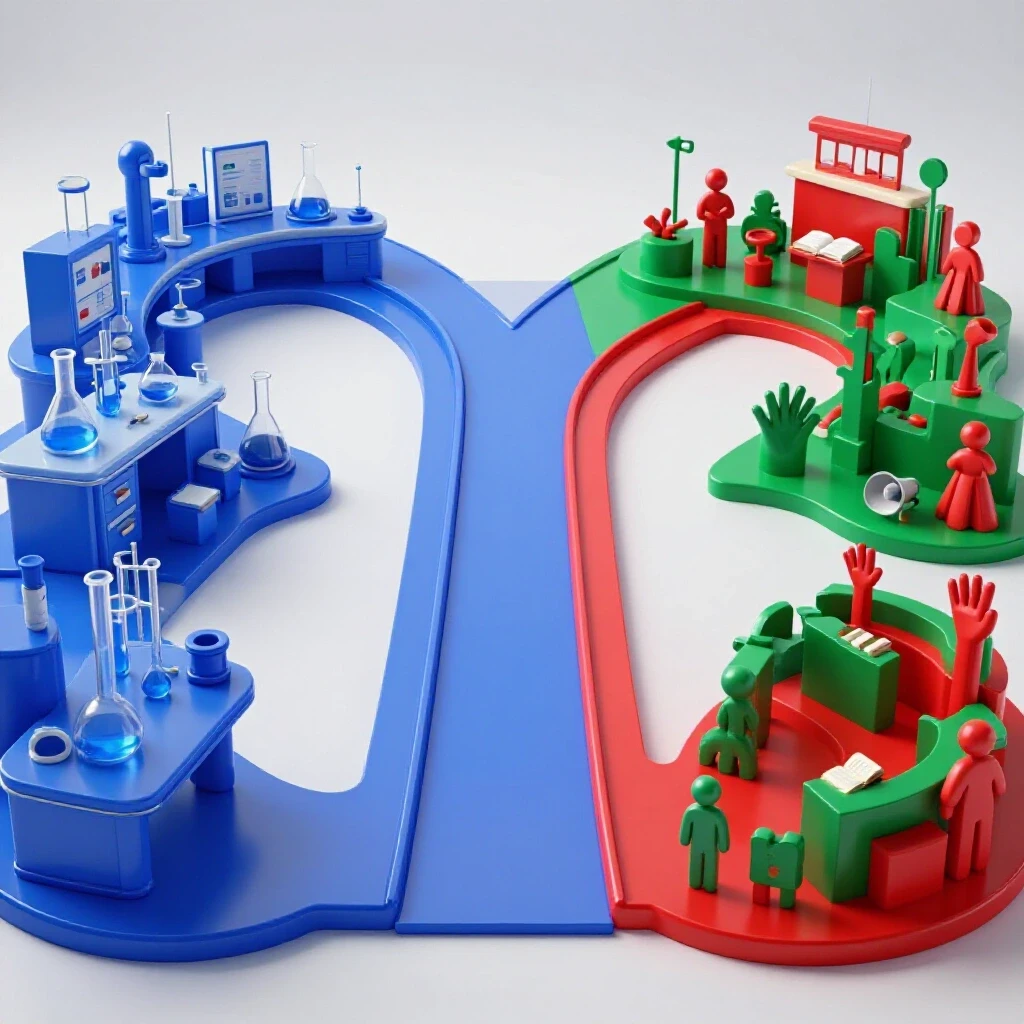
First up, the degree title itself: Bachelor of Arts (BA) or Bachelor of Science (BS).
What’s the difference?
Generally, a BA indicates a focus on humanities, social sciences, or fine arts.
Think literature, history, sociology, or art.
A BS, on the other hand, typically signifies a focus on scientific or technical fields, like biology, chemistry, computer science, or engineering.
However, it’s not always that straightforward.
Some universities offer both BA and BS degrees in the same field, with the distinction often lying in the specific coursework required.
For example, a BA in Psychology might emphasize theoretical frameworks and research methodologies, while a BS in Psychology might focus more on applied statistics and experimental design.
In the professional world, the degree title can subtly influence perceptions.
A BA might be seen as indicating strong communication and critical thinking skills, while a BS might be associated with analytical and problem-solving abilities.
University Crest or Logo
Next, let’s talk about the university crest or logo.
This symbol is more than just a pretty picture; it’s a visual representation of the institution’s history, values, and mission.
Many university crests incorporate elements like:
- Latin mottos: These phrases often encapsulate the
university’s guiding principles. - Symbols: Such as books, torches, or shields, representing
knowledge, enlightenment, or protection. - Colors: Which can have historical or symbolic significance.
For instance, Harvard University’s crest features the word “Veritas,” which means “truth” in Latin.
This reflects the university’s commitment to the pursuit of knowledge and intellectual honesty.
The University of Oxford’s crest includes three crowns, symbolizing the university’s connection to the monarchy.
The university crest is a powerful reminder of the institution’s legacy and its commitment to its students.
Latin Honors
Ah, Latin honors! Cum laude, magna cum laude, summa cum laude.
These phrases represent academic distinction and are awarded to students who graduate with exceptional GPAs.
Here’s a quick breakdown:
- Cum laude: “With praise” or “with honor.”
- Magna cum laude: “With great praise” or “with great honor.”
- Summa cum laude: “With highest praise” or “with highest honor.”
The specific GPA requirements for each honor vary from university to university.
But generally, summa cum laude is the highest honor, awarded to the top percentile of graduates.
Latin honors can definitely make a difference when it comes to career opportunities.
Employers often view them as an indicator of academic excellence, discipline, and a strong work ethic.
According to a study by the National Association of Colleges and Employers (NACE), employers often use GPA as a screening tool for entry-level positions.
While it’s not the only factor, graduating with Latin honors can give you a competitive edge.
Signatures and Dates
Finally, let’s not forget the signatures and the date of conferral.
The signatures on your diploma typically come from university officials, such as the president, provost, or dean.
These signatures represent the institution’s official endorsement of your achievement.
They signify that you have met all the requirements for graduation and have been deemed worthy of receiving a degree.
The date of conferral is also significant.
It marks the official completion of your studies and the beginning of your journey as a college graduate.
It’s a day to celebrate your hard work, dedication, and perseverance.
Section 3: The Personal Impact of a Bachelor’s Degree
Beyond the academic accolades and career prospects, earning a bachelor’s degree has a profound personal impact.
Personal Growth
Think back to who you were when you started college.
Chances are, you’ve grown and evolved in ways you never imagined.
The college experience is about more than just learning facts and figures.
It’s about developing critical thinking skills, expanding your horizons, and discovering your passions.
You’ve learned how to manage your time, work in teams, and communicate effectively.
You’ve faced challenges, overcome obstacles, and emerged stronger and more resilient.
These are skills that will serve you well throughout your life, both personally and professionally.
Networking and Relationships
One of the most valuable aspects of the college experience is the opportunity to build lifelong relationships.
You’ve met people from all walks of life, with different backgrounds, perspectives, and experiences.
You’ve formed friendships, joined clubs and organizations, and collaborated on projects.
These connections can be invaluable, both for personal support and for professional networking.
According to a LinkedIn study, 85% of jobs are filled through networking.
Your college network can provide you with access to mentors, job opportunities, and valuable insights into your field.
The Emotional Significance
Let’s be real: getting that diploma is a big deal.
It’s the culmination of years of hard work, sacrifice, and dedication.
It’s a moment of immense pride and accomplishment.
I’ve seen so many students walk across that stage, tears streaming down their faces, as they receive their diplomas.
It’s a moment that they’ll cherish for the rest of their lives.
It’s a symbol of their potential, their perseverance, and their ability to achieve their goals.
Section 4: Decoding Your Diploma in the Real World
So, you’ve got your diploma. Now what?
Let’s debunk some myths and see how it plays out in the real world.
Common Misconceptions
One common misconception is that a bachelor’s degree guarantees a high-paying job.
While it certainly increases your earning potential, it’s not a magic ticket to success.
You still need to work hard, develop your skills, and network effectively to land your dream job.
Another misconception is that your degree defines your career path.
Many people end up working in fields that are completely unrelated to their major.
The skills and knowledge you gain through your degree are transferable to a wide range of industries and roles.
Practical Applications
So, how can you leverage your degree in the job market?
First and foremost, highlight the skills and knowledge you’ve gained through your coursework, internships, and extracurricular activities.
Tailor your resume and cover letter to match the specific requirements of each job you apply for.
Emphasize your critical thinking, problem-solving, and communication skills.
Employers are looking for candidates who can think on their feet, work independently, and contribute to a team.
Also, don’t underestimate the power of networking.
Attend industry events, connect with professionals on LinkedIn, and reach out to alumni from your university.
Interpreting the Degree in the Digital Age
The rise of online education and alternative credentials is changing the landscape of higher education.
Digital badges and certificates are becoming increasingly popular, offering a more flexible and accessible way to gain new skills and knowledge.
While these alternative credentials can be valuable, they don’t necessarily replace the traditional bachelor’s degree.
A bachelor’s degree still holds significant weight in the job market, particularly for certain industries and roles.
However, it’s important to stay up-to-date on the latest trends in education and be open to exploring new ways to learn and grow.
Conclusion
We’ve come a long way in decoding your diploma!
From its medieval origins to its modern-day significance, the bachelor’s degree represents a journey of personal growth, academic achievement, and professional potential.
Each element of your diploma – the degree title, the university crest, the Latin honors, the signatures, and the date – tells a story about your unique experience and the institution’s legacy.
As you step into the next phase of your life, embrace your achievements and remember the deeper meanings behind your diploma.
It’s a symbol of your hard work, your dedication, and your ability to make a difference in the world.
Congratulations, graduate! The future is yours.