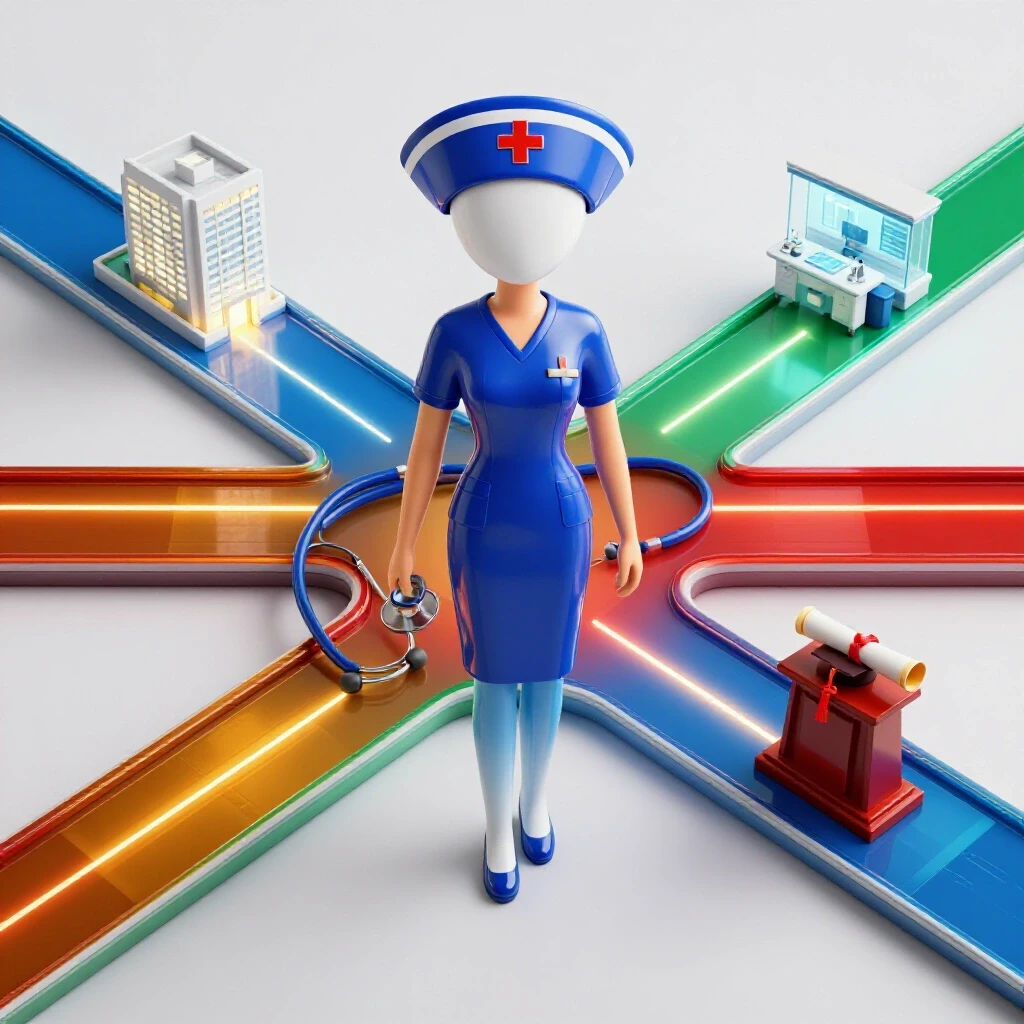
After Exercise Science? (Peak Career Options!)
It got me thinking about how crucial exercise science is today.
It’s not just about pumping iron anymore; it’s about understanding the intricate connection between our bodies and minds.
And guess what? The career paths are exploding!
So, if you’re an exercise science grad or thinking about becoming one, you’re in the right place. I’m here to break down the peak career options waiting for you in 2025.

We’ll dive into emerging trends, cool tech, and how you can make a real difference in people’s lives. Ready to explore? Let’s jump in!
Section 1: The Evolution of Exercise Science
Let’s rewind a bit. Exercise science didn’t just pop up overnight. Think back to ancient Greece, where physical training was a cornerstone of education and military preparedness.
Fast forward, and you see the formalization of the field in academic institutions, blending ancient wisdom with modern science.
It’s wild to think about how far we’ve come!
What makes exercise science so fascinating is its interdisciplinary nature. We’re talking biology, kinesiology, nutrition, psychology, and even technology all rolled into one.
It’s like being a health detective, piecing together the puzzle of human performance.
Now, consider the recent trends shaping the field. Preventive health is HUGE. People are waking up to the importance of staying active and healthy before problems arise.
Wellness, physical activity, and mental health are no longer separate entities but interconnected aspects of a holistic lifestyle.
According to a report by the Global Wellness Institute, the global wellness economy was valued at $4.9 trillion in 2019 and is projected to reach $7.0 trillion by 2025.
That’s insane growth, right? It speaks volumes about the increasing value society places on health and well-being.
Section 2: Career Paths in Exercise Science
Alright, let’s get to the good stuff: the career paths! You probably already know about the established roles.
Exercise physiologists work with patients to improve their cardiovascular health, pulmonary function, and metabolic function.
They design and implement exercise programs for individuals with chronic conditions like diabetes, heart disease, and obesity.
Personal trainers help individuals achieve their fitness goals through customized workout plans and nutritional guidance.
Sports coaches develop athletes’ skills and strategies to enhance their performance in competitive sports.
Strength and conditioning specialists focus on improving athletes’ strength, power, speed, and agility.
Rehabilitation specialists assist patients in recovering from injuries or surgeries through therapeutic exercises and modalities.
These are all solid options, but let’s talk about the emerging fields that are seriously exciting.
Health and wellness coaches are becoming increasingly popular. They guide clients in making sustainable lifestyle changes to improve their overall well-being.
Unlike personal trainers who primarily focus on physical fitness, health and wellness coaches address the emotional, mental, and social aspects of health.
Corporate wellness coordinators design and implement wellness programs for employees to promote health and productivity in the workplace.
With companies recognizing the importance of employee well-being, this role is gaining significant traction.
Sports analytics experts use data to analyze athletic performance and provide insights to coaches and athletes.
They leverage technology to track metrics, identify trends, and optimize training strategies.
The rise of wearable tech and fitness apps has created opportunities for fitness technology innovators.
These professionals develop new technologies and applications to enhance the fitness experience and promote healthier lifestyles.
Community health advocates work in community settings to promote health and prevent disease. They educate individuals and groups about healthy behaviors and advocate for policies that support public health.
Now, here’s the thing: no matter which path you choose, certifications are key. Organizations like the American College of Sports Medicine (ACSM) and the National Strength and Conditioning Association (NSCA) offer certifications that can boost your credibility and job prospects.
Continuing education is also crucial. The field is constantly evolving, so staying up-to-date with the latest research and best practices is essential.
Specialization can set you apart. Consider focusing on a specific population (e.g., older adults, athletes) or a particular area of expertise (e.g., sports nutrition, exercise psychology).
Section 3: The Future of Exercise Science Careers
Let’s peek into our crystal ball and see what awaits us in 2025. The job market for exercise science grads is looking pretty bright.
The Bureau of Labor Statistics projects a 13% growth for exercise physiologists from 2020 to 2030, which is faster than the average for all occupations.
This growth is driven by an aging population and an increasing prevalence of chronic diseases.
Technology is going to play a HUGE role in shaping exercise science careers. Think about it: artificial intelligence is already being used to create personalized training programs.
These programs can adapt to an individual’s fitness level, goals, and preferences, providing a more effective and engaging workout experience.
Virtual reality is revolutionizing rehabilitation and physical training. VR simulations can create immersive environments that allow patients to practice movements and exercises in a safe and controlled setting.
Telehealth and online fitness coaching are becoming increasingly popular, especially in rural areas or for individuals with mobility issues.
These platforms allow exercise professionals to reach a wider audience and provide remote coaching and support.
But it’s not just about the physical aspect. The integration of mental health and emotional well-being is becoming increasingly important in exercise science careers.
Exercise is not just about building muscles; it’s also about reducing stress, improving mood, and enhancing cognitive function.
Exercise professionals are now recognizing the importance of addressing the holistic needs of their clients, integrating mindfulness practices and stress management techniques into their programs.
For example, incorporating yoga or meditation into a fitness routine can help reduce stress and improve mental clarity.
Providing emotional support and encouragement can help clients stay motivated and committed to their fitness goals.
Section 4: Skills and Qualifications for Success
Okay, so what skills do you need to thrive in this ever-evolving field? First, you need a solid foundation in human anatomy and physiology.
Understanding how the body works is essential for designing effective exercise programs and assessing individuals’ fitness levels.
Proficiency in data analysis and interpretation is becoming increasingly important, especially in the age of wearable tech and sports analytics.
Being able to collect, analyze, and interpret data can help you track progress, identify trends, and optimize training strategies.
Strong communication and interpersonal skills are crucial for building rapport with clients, motivating them to achieve their goals, and providing effective coaching and support.
Adaptability to technological advancements is essential for staying relevant in the field. Being open to learning new technologies and incorporating them into your practice can help you provide innovative and effective services.
Let’s break this down with examples:
- Hard Skill: Knowledge of biomechanics.
- Why it matters: Understanding how the body moves helps you prevent injuries and optimize performance.
- Soft Skill: Empathy.
- Why it matters: Being able to understand and share the feelings of your clients helps you build trust and rapport.
Beyond the classroom, networking, internships, and practical experiences are priceless. Attend industry conferences, join professional organizations, and seek out opportunities to shadow experienced professionals.
These experiences can help you gain valuable insights, build connections, and develop the skills you need to succeed.
Conclusion
Wow, we covered a lot! As you can see, exercise science is a dynamic field with a ton of opportunities.
From traditional roles to emerging fields, there’s a path for everyone passionate about health and fitness.
Remember, the key is to stay curious, keep learning, and embrace the ever-changing landscape of technology and wellness.
As exercise science professionals, you have the power to shape a healthier future for individuals and communities. You’re not just helping people lose weight or build muscle; you’re empowering them to live longer, healthier, and more fulfilling lives.
And that, my friend, is a pretty awesome contribution to society. So go out there and make a difference!